Preparing your New Orleans home for the 2026 storm season requires proactive planning, structural upgrades, and consistent maintenance. This guide covers expert-backed strategies to minimize storm damage, protect your investment, and ensure your family’s safety.
Storms in New Orleans are becoming more intense, more frequent, and less predictable. From heavy rainfall and flash flooding to hurricane-force winds, homeowners face a unique set of environmental challenges each year. Preparing early is no longer optional—it’s essential.
At Big Easy Remediation, we’ve seen firsthand how proper storm preparation can mean the difference between minor repairs and devastating property loss. Whether you own a historic home in the French Quarter or a modern property in the suburbs, taking proactive steps now will help safeguard your home throughout the 2026 storm season.
Why Storm Preparedness Matters More in 2026
Climate trends indicate stronger storms, rising sea levels, and increased flooding risks across Southeast Louisiana. Homes in New Orleans are particularly vulnerable due to low elevation, aging infrastructure, and prolonged exposure to moisture and humidity.
Storm damage doesn’t just impact your roof or windows—it can compromise your home’s structural integrity, indoor air quality, and long-term value. Water intrusion can lead to mold growth within 24–48 hours, while wind damage can expose interiors to further hazards.
Understanding these risks allows homeowners to act strategically instead of reactively.
Strengthen Your Roof: Your First Line of Defense
Your roof is the most critical barrier between your home and severe weather. Even minor vulnerabilities can lead to significant water damage during a storm.
Start by scheduling a professional roof inspection before storm season begins. Look for missing shingles, cracked flashing, or soft spots that may indicate underlying damage. Reinforcing your roof with hurricane straps or clips can significantly improve its resistance to high winds.
Sealing roof penetrations, such as vents and chimneys, is another often-overlooked step that prevents water from entering your home during heavy rain.
Upgrade Windows and Doors for Impact Resistance
Windows and doors are common failure points during hurricanes and tropical storms. When they break, they allow wind and water to enter your home, increasing pressure and potentially causing structural failure.
Installing impact-resistant windows or storm shutters can dramatically reduce this risk. Reinforced doors with proper sealing also prevent water intrusion and improve overall energy efficiency.
Garage doors, in particular, should be reinforced, as their failure can lead to significant internal pressure buildup during storms.
Improve Drainage and Prevent Flooding
Flooding is one of the most common and costly issues faced by New Orleans homeowners. Even moderate storms can overwhelm drainage systems, leading to water entering your property.
Ensure your gutters and downspouts are clean and functioning properly. Direct water away from your foundation by extending downspouts at least several feet from your home.
Grading your yard so that water flows away from the structure is another effective strategy. For homes in high-risk areas, installing a sump pump or backflow valve can provide an additional layer of protection.
Seal and Waterproof Vulnerable Areas
Water intrusion is often subtle but highly destructive. Cracks in walls, foundations, and around windows can allow moisture to seep in, leading to mold growth and structural deterioration.
Apply waterproof sealants to exterior walls and foundations. Pay special attention to basements, crawl spaces, and areas prone to pooling water.
Elevating electrical systems and appliances above potential flood levels can also prevent costly damage and safety hazards.
Trim Trees and Secure Outdoor Items
Loose branches and unsecured outdoor objects can become dangerous projectiles during high winds. These can damage roofs, windows, and siding, creating entry points for water.
Trim trees regularly, especially those close to your home. Remove weak or dead branches that are more likely to break during storms.
Outdoor furniture, grills, and decorations should be secured or stored before severe weather arrives. This simple step can prevent significant damage and reduce cleanup efforts after a storm.
Inspect and Maintain Your Home’s Foundation
Your foundation plays a crucial role in your home’s overall stability. Water saturation and soil erosion can weaken it over time, especially during prolonged storms.
Inspect for cracks or signs of shifting, and address issues promptly. Proper drainage around your home helps prevent water from pooling near the foundation, reducing the risk of structural damage.
For older homes in New Orleans, periodic professional evaluations are especially important due to the region’s soil conditions.
Prepare an Emergency Plan and Supplies
While structural improvements are essential, personal preparedness is equally important. Having a clear emergency plan ensures your family knows what to do before, during, and after a storm.
Stock up on essential supplies, including water, non-perishable food, flashlights, batteries, and first aid kits. Keep important documents in waterproof containers and have a backup communication plan in place.
Evacuation routes and shelter options should be identified ahead of time to avoid last-minute confusion.
Review Your Insurance Coverage
Many homeowners assume their insurance fully covers storm damage, only to discover gaps after a disaster. Reviewing your policy before storm season is critical.
Ensure you have adequate coverage for wind and flood damage, as these are often separate policies. Document your home’s condition with photos and keep an updated inventory of valuables.
This preparation can significantly streamline the claims process if damage occurs.
Schedule Professional Inspections and Preventive Maintenance
Routine inspections by qualified professionals can identify vulnerabilities that homeowners may overlook. From roofing and electrical systems to plumbing and structural components, expert evaluations provide peace of mind.
Preventive maintenance not only reduces the risk of storm damage but also extends the lifespan of your home’s key systems.
Long-Term Storm Resilience Strategies for NOLA Homes
Beyond immediate preparations, long-term resilience planning is becoming increasingly important for homeowners in New Orleans.
Investing in elevated construction, flood-resistant materials, and smart home monitoring systems can provide lasting protection. Landscaping choices, such as using native plants and permeable surfaces, can also improve drainage and reduce flood risks.
These strategies not only protect your home but can also increase property value and appeal in a competitive real estate market.
Protect Your Home with Expert Help
Preparing your home for the 2026 storm season requires a combination of proactive maintenance, strategic upgrades, and informed planning. By addressing vulnerabilities early, you can significantly reduce the risk of costly damage and ensure your family’s safety.
At Big Easy Remediation, we specialize in helping New Orleans homeowners protect, restore, and strengthen their properties against severe weather. If you want expert guidance and reliable storm damage solutions, contact Big Easy Remediation today and take the first step toward a safer, more resilient home.
Frequently Asked Questions
What is the most important step in storm damage prevention for NOLA homes?
The most critical step is ensuring your roof is in excellent condition, as it serves as the primary barrier against wind and water damage.
How can I protect my home from flooding in New Orleans?
Improving drainage, installing sump pumps, and sealing foundation cracks are effective ways to reduce flood risks.
Are impact-resistant windows worth the investment?
Yes, they significantly reduce the risk of breakage during storms and help maintain your home’s structural integrity.
How often should I inspect my home before storm season?
It’s recommended to conduct a thorough inspection at least once a year, ideally before the start of hurricane season.
Does homeowners’ insurance cover all storm damage?
Not always. Standard policies may not include flood coverage, so it’s important to review and update your insurance as needed.
 Mon-Sat: 09:00AM to 05:00PM Sunday: Closed


 By Admin
  Mar 26, 2026
 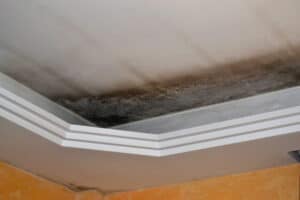 Your roof is the most critical barrier between your home and severe weather. Even minor vulnerabilities can lead to significant water damage during a storm.
 Flooding is one of the most common and costly issues faced by New Orleans homeowners. Even moderate storms can overwhelm drainage systems, leading to water entering your property.
 Your foundation plays a crucial role in your home’s overall stability. Water saturation and soil erosion can weaken it over time, especially during prolonged storms.