
5 Signs You Need Professional Fire and Smoke Damage Cleanup
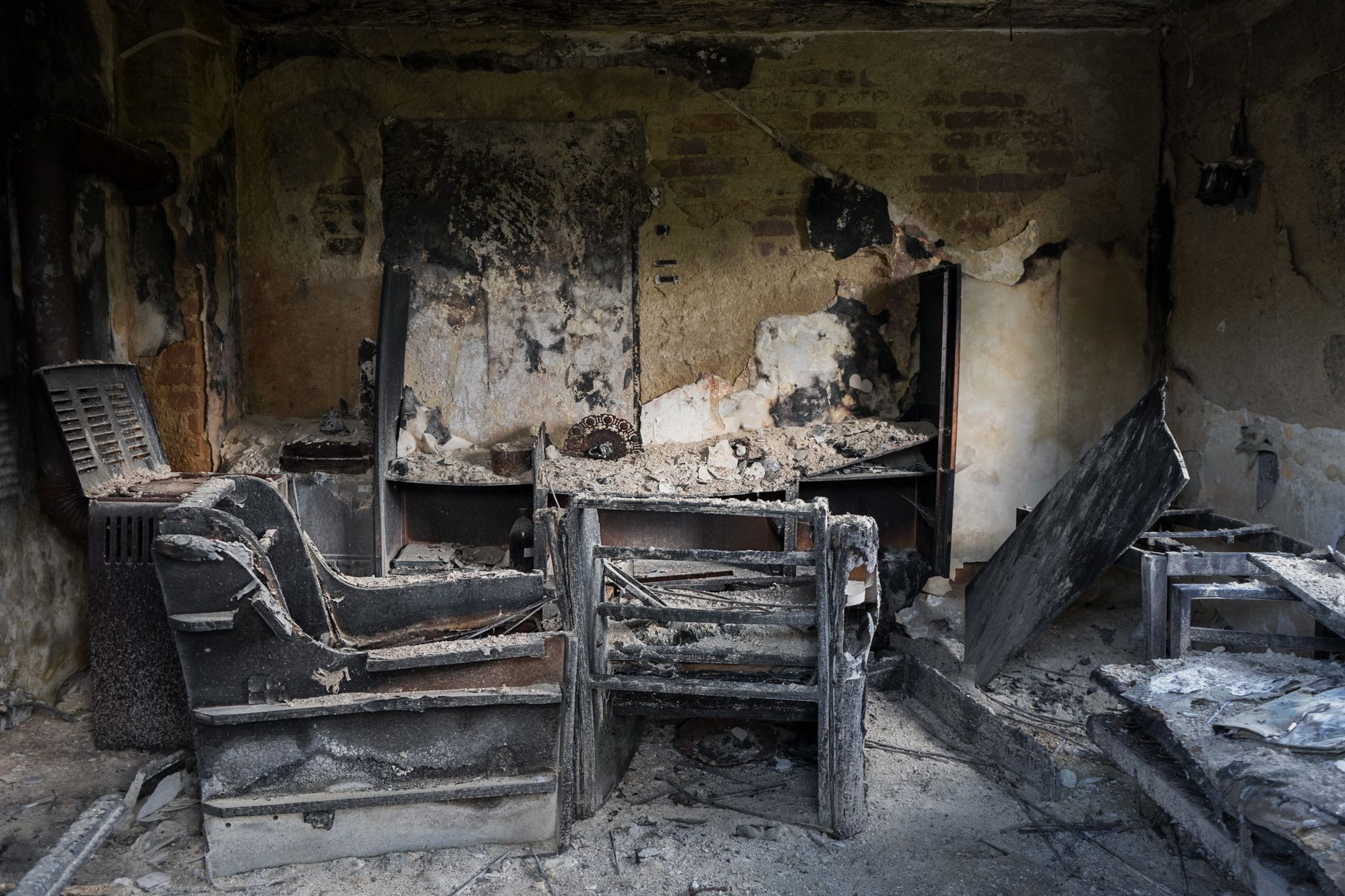
The clearest signs you need professional fire and smoke damage cleanup are a lingering smoke odor, visible soot on walls, water left from firefighting, respiratory irritation indoors, and corrosion on metal fixtures. In a humid climate, smoke residue bonds deeper into older homes with every passing day. Acting on any one of these signs quickly is the safest way to protect both your property and your family’s health.
At Big Easy Remediation, we know that a fire rarely ends when the flames go out. The smoke, soot, and water it leaves behind keep damaging a home long after the last spark is gone.
Many homeowners assume that once the visible mess is cleaned, the danger has passed. In reality, the most harmful effects of a fire often hide inside walls, ducts, and absorbent surfaces where they quietly spread.
This guide walks you through the five clearest signs that your home needs professional fire and smoke damage cleanup. Contact us today to schedule a damage assessment before the residue settles in for good.
Why New Orleans Homes Face Greater Fire and Smoke Risk
Our city is full of historic wood-frame shotgun houses, raised Creole cottages, and century-old doubles built from cypress and pine. That older construction, combined with aging wiring and year-round humidity, creates conditions where fire and smoke damage can escalate fast.
The risk climbs higher after hurricanes and tropical storms. Power surges from restored grids, wiring exposed to moisture, and overloaded generators all raise the chance of house fires in the weeks that follow.
Once smoke enters the wood and plaster walls common in older local homes, New Orleans’ humidity traps those particles deeper into the materials. That is why the same fire that is a minor cleanup in a drier climate becomes a serious restoration here.
The 5 Signs You Need Fire and Smoke Damage Cleanup
These are the indicators we run into most often when we assess a fire-damaged home across Greater New Orleans. If you notice even one of them, treat it as a strong signal to bring in a professional.
1. A Lingering Smoke Odor
A smoky smell that does not fade after airing out the home almost always means smoke particles are embedded in absorbent surfaces like drywall, wood framing, upholstery, and carpet padding. The odor is the residue talking, not just stale air.
Air fresheners, open windows, and store-bought eliminators only mask the smell without reaching the source. Locally, trapped moisture reactivates those particles and the odor returns stronger than before.
Restoration-grade treatments break down odor-causing particles at the molecular level, reaching what ordinary cleaning never can. That is especially true in older homes where smoke has settled into cracks in hardwood floors and layers of original plaster.
2. Visible Soot on Walls and Ceilings
Black or gray soot residue on walls, ceilings, window sills, and inside cabinets is both a structural threat and a health concern. Soot is acidic and begins corroding the surfaces it lands on almost immediately after settling.
The type of fire changes how soot behaves. A grease fire leaves a thick, sticky residue that smears when wiped, while burning wood or paper creates a drier, powdery film that spreads easily across rooms.
Wiping soot with household cleaners often pushes it deeper into drywall and framing, making later cleanup harder and more costly. Inhaling those fine particles can also irritate the lungs, which is why careful, professional removal matters from the start.
3. Water Left Behind From Firefighting
Water damage from firefighting is one of the most overlooked consequences of a house fire. Standing water soaks into subfloors, wall cavities, and insulation, and when it mixes with smoke residue in our damp climate, mold can begin growing within 24 to 48 hours.
In raised-foundation homes, water can pool beneath the structure and wick upward through the floor joists. In slab homes, water with nowhere to drain sits against the concrete and saturates baseboards from below.
Smoke-contaminated water is especially damaging because the dissolved soot stains and corrodes everything it touches. Addressing the water and the smoke residue together is the only way to prevent a moderate loss from turning into a major one.
4. Respiratory Irritation Indoors
Ongoing coughing, eye irritation, headaches, or worsening asthma after a fire often means harmful smoke particles are still in the home. These microscopic particles circulate through the air system and settle on surfaces, affecting your air quality long after the flames are gone.
Smoke from a house fire carries a mix of chemicals depending on what burned. Synthetic materials like carpet, foam, and plastic release harsher compounds, and older homes can add particles from vintage building materials to the mix.
If anyone in the household develops new or worsening symptoms after a fire, even a small one, the indoor air should be evaluated. Removing those fine particles usually calls for professional air scrubbing and a thorough cleaning of the duct system.
5. Metal Corrosion on Fixtures and Appliances
Acidic smoke residue attacks metal fast, and rust or tarnish on fixtures, appliances, plumbing fittings, or light fixtures within days of a fire is the visible proof. In New Orleans’ humid climate, that corrosion moves far faster than it would in a drier region.
Smoke residue contains sulfur and other acidic compounds that react with metal. In dry air the process can take weeks, but in high indoor humidity it can start almost immediately and become permanent in a matter of days.
Kitchen appliances, bathroom fixtures, electrical panels, and air system components are the most vulnerable. Discoloration or pitting on any of them tells you smoke has spread further than what you can see and a full assessment is needed.
How the Five Signs Compare
Each sign points to a different kind of damage and a different next step. The table below matches what you are noticing to what it usually means and what to do about it.
| Warning Sign | What It Indicates | What To Do |
|---|---|---|
| Lingering smoke odor | Particles embedded in walls and fabrics | Schedule restoration-grade odor treatment |
| Visible soot on surfaces | Acidic residue corroding surfaces | Avoid wiping it; call for cleanup |
| Water left from firefighting | Moisture feeding hidden mold | Dry and treat the area right away |
| Respiratory irritation indoors | Airborne smoke particles still present | Have the air quality assessed |
| Metal corrosion or tarnish | Acidic residue spreading unseen | Request a full damage assessment |
When more than one of these signs is present, the damage has almost always moved beyond what household cleaning can reach. We handle complete fire and smoke damage cleanup across the region, treating the source so the problem does not keep spreading.
Does Smoke Damage Get Worse the Longer You Wait?
Smoke damage is not a fixed problem that holds steady until you get to it. It compounds, with the residue bonding deeper and corrosion advancing every day the cleanup is delayed.
Several things speed this up in our climate, and knowing them explains why local homes need quicker action:
- High humidity that drives smoke particles deeper into wood and plaster
- Acidic soot that begins etching glass, metal, and finishes within hours
- Trapped moisture from firefighting that invites mold within a day or two
- Porous older materials that absorb and hold smoke far more readily than modern construction
Each of these gives the damage a head start. Acting early keeps a cleanup limited to surface work instead of the demolition and rebuilding that delay so often makes necessary.
What Should You Do the Moment You Spot These Signs?
If you notice any of these five signs, the goal is to limit further damage and get a trained eye on the home fast. A few careful steps protect your property while you wait for an assessment.
- Do not wipe soot. Scrubbing pushes the residue deeper and spreads it across clean surfaces.
- Keep wet areas ventilated. Open the space safely and reduce moisture where you can.
- Limit time in affected rooms. Smoke particles in the air can irritate the lungs and eyes.
- Avoid running the air system. Circulating air carries particles into every room.
- Call a professional. A trained crew finds the full extent of the damage and treats it safely.
Holding back from a DIY scrub is often the most valuable thing you can do, because the wrong cleaning step can lock the damage in place.
How Much Does Fire and Smoke Cleanup Cost?
Fire and smoke cleanup cost depends on three things: how far the smoke spread, which materials it reached, and whether water or mold are involved. A home treated within the first day or two usually needs only cleaning and deodorizing, while delayed jobs can add demolition, material replacement, and structural repair.
The table below breaks down the main factors that move the price, why each one raises it, and how to keep it in check.
| Cost Factor | Why It Raises Cost | How To Limit It |
|---|---|---|
| How far the smoke spread | More rooms and ductwork mean more surfaces to treat | Avoid running the air system after a fire |
| Materials the residue reached | Absorbent wood and plaster are harder to clean than sealed surfaces | Leave absorbent surfaces untouched for the crew |
| Water left from firefighting | Adds drying, and untreated water can feed mold | Ventilate and call for drying right away |
| Time before cleanup begins | Bonded soot and corrosion turn cleaning into replacement | Schedule an assessment at the first sign |
That is why we treat a prompt assessment as the most reliable way to keep a fire loss from becoming a major expense. We also document the full scope of the damage, which can make a meaningful difference when you file your insurance claim.
Is Professional Fire and Smoke Cleanup Better Than DIY?
Reaching for sponges and household cleaners is tempting, but surface cleaning rarely solves real smoke damage. The residue settles into wood, plaster, and the air system, so the odor and corrosion return within weeks no matter how hard you scrub.
Having restored fire-damaged shotgun homes and Creole cottages across Greater New Orleans, we know where smoke hides in older construction. Our approach starts with assessing the full reach of the damage, including the areas behind walls and inside ductwork that you cannot see. From there we remove soot safely, treat odors at their source, dry any water-affected areas, and confirm the home is clean before we finish. You can explore our full range of fire and smoke restoration services to see how we protect a home from the first inspection to the final check.
Do Not Wait for Smoke Damage to Set In
Fire and smoke damage in a New Orleans home is not something to wait out, because every day lets the residue bond deeper and the corrosion spread further. Acting at the first sign protects your property, your air quality, and your peace of mind.
If you have spotted any of these five signs, the safest next step is a professional assessment right away. Call us today and let Big Easy Remediation restore your New Orleans home to a safe, clean, and healthy state.
Common Questions
Frequently Asked Questions About Fire and Smoke Damage Cleanup
How do I know if smoke damage needs a professional?
If you still smell smoke a day after cleaning, or you see soot, water, or corrosion, the damage has moved beyond household methods. Smoke particles embed in walls and the air system, so a professional assessment is the safest way to find the full extent.
How quickly should fire and smoke cleanup begin?
Within the first 24 to 48 hours whenever possible. Soot starts corroding metal within hours, and in our humid climate, water-damaged areas can begin growing mold within two days. The sooner cleanup begins, the more of the home and its contents can be saved.
Why does New Orleans humidity make smoke damage worse?
High humidity causes smoke particles to absorb moisture, which bonds them more tightly to porous surfaces like wood and plaster. That same moisture reactivates trapped odors and speeds up the corrosion of metal fixtures, so damage advances faster here than in drier regions.
Can I stay in my home after a small fire?
It depends on the air quality. Even a small kitchen fire can spread microscopic smoke particles through the air system into every room. If anyone has breathing difficulty, headaches, or eye irritation, the home should be assessed before you continue living in it.
Are older New Orleans homes more vulnerable to smoke damage?
Yes. Shotgun houses have connected rooms without hallways, so smoke spreads through the whole structure quickly. The aged cypress framing, original plaster, and old paint in these homes trap smoke particles far more readily than modern drywall.
Will airing out the house remove the smoke smell?
Rarely on its own. Open windows and air fresheners only mask the odor while the source remains embedded in materials and ductwork. In humid conditions the smell returns stronger, which is why restoration-grade deodorizing is needed to break the particles down for good.
Does water from firefighting really cause more damage?
Yes. Water soaks into subfloors, wall cavities, and insulation, and combined with smoke residue and our humidity it can feed mold within a day or two. Treating the water and the smoke together prevents secondary mold and structural decay from setting in.
Is soot on the walls actually dangerous?
Soot is acidic and begins corroding surfaces within hours, and inhaling the fine particles can irritate the lungs, especially in children and older adults. Wiping it with household cleaners often drives it deeper, so it is best removed with proper professional methods.
Need restoration help in New Orleans?
Same-day response to water, mold, fire, and cleaning emergencies across Greater New Orleans, with a written scope before any work begins.