Commercial sanitation in New Orleans involves larger-scale cleaning with industrial-grade equipment, stricter health code compliance, and more frequent service schedules, while residential sanitation focuses on household-level hygiene with lighter tools and flexible timing. Big Easy Remediation provides both commercial and residential sanitation services across New Orleans and surrounding Louisiana communities.
Table of Contents
New Orleans property owners face sanitation demands shaped by the city’s subtropical humidity, seasonal flooding, and a built environment unlike anywhere else in the country. A French Quarter restaurant operating out of a 200-year-old building has very different sanitation needs than a family living in a Garden District shotgun house. Whether you manage a CBD office tower or maintain a home in Mid-City, understanding the distinction between commercial and residential sanitation helps you invest in the right service. Big Easy Remediation works with both commercial and residential clients throughout the New Orleans metro area, tailoring sanitation plans to each property’s specific conditions.
What Sets Commercial and Residential Sanitation Apart in New Orleans
How Do Scale and Scope Differ Between Commercial and Residential Sanitation?
Commercial sanitation covers large, high-traffic properties such as restaurants along Magazine Street, retail spaces in the Warehouse District, and office buildings in the CBD, where foot traffic and occupancy create sanitation demands that far exceed what any single household produces. Residential sanitation, by contrast, addresses the needs of individual homes, apartments, and condos at a much smaller scale.
A busy French Quarter bar or hotel lobby may see hundreds of visitors in a single day, generating waste and contamination at a pace that requires daily or even twice-daily cleaning cycles. A residential property in Lakeview or Gentilly typically needs weekly or biweekly attention. The sheer volume difference affects everything from the size of waste receptacles to the amount of disinfectant used per cleaning session.
In New Orleans, where humidity accelerates mold growth and post-storm water intrusion can affect entire blocks, scale also determines how quickly sanitation must happen. A flooded commercial kitchen requires immediate, large-scale intervention, while a residential bathroom with minor water damage can often wait for a scheduled visit.
What Equipment and Products Does Commercial Sanitation Require?
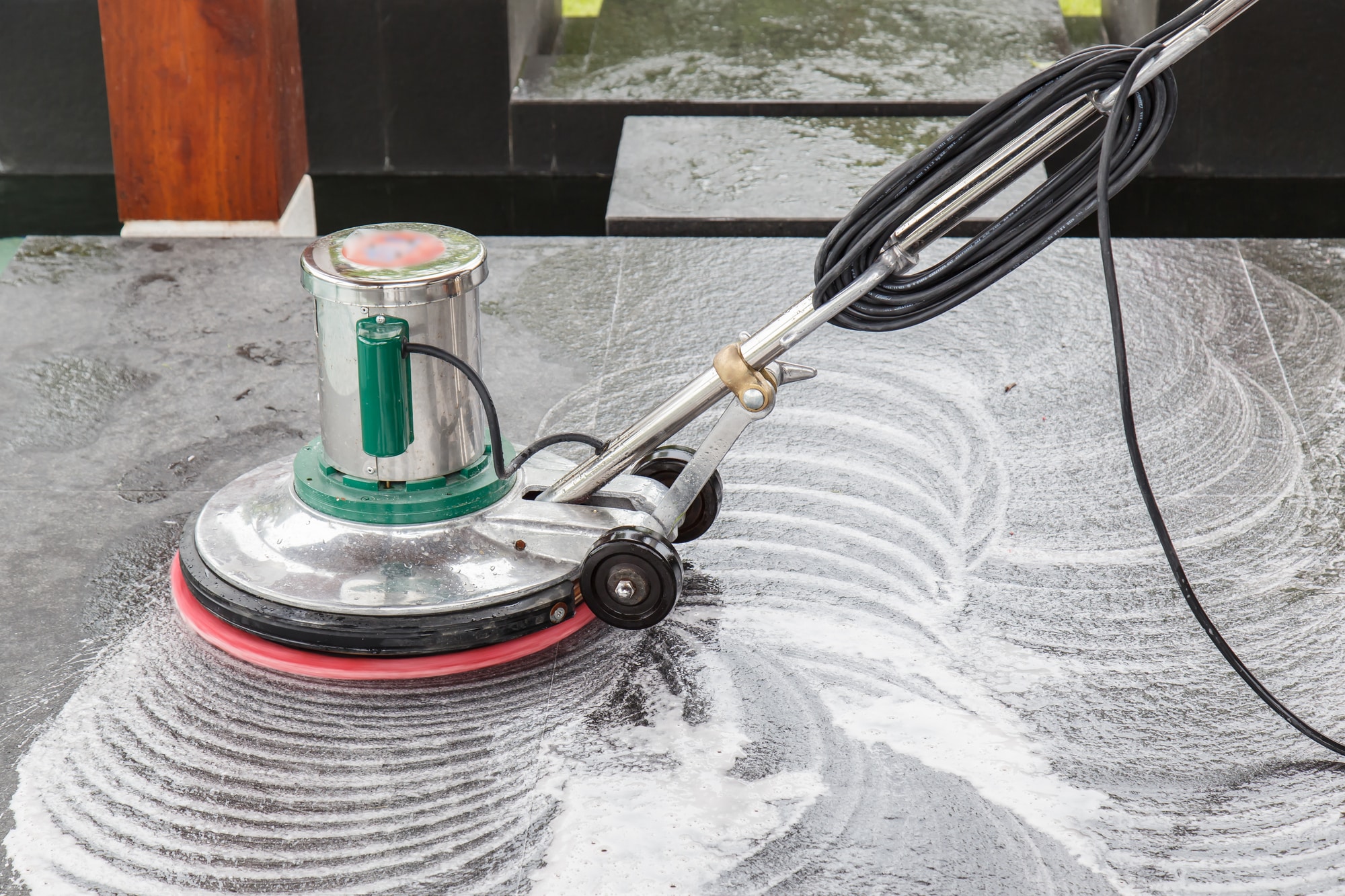
Commercial sanitation relies on industrial-grade equipment, including commercial steam cleaners, pressure washers, backpack vacuums, and EPA-registered disinfectants rated for high-occupancy environments. Residential sanitation typically uses consumer-grade vacuums, standard mops, microfiber cloths, and milder cleaning solutions safe for children and pets.
The difference matters in New Orleans, where restaurants and food service businesses along Magazine Street and in the French Quarter must use sanitizers that meet Louisiana Department of Health standards for food-contact surfaces. A home kitchen does not face the same regulatory requirements, so lighter, household-friendly products work well.
Commercial properties also benefit from equipment designed to cover large areas quickly. Production rates for commercial cleaning can reach 2,500 to 4,000 square feet per hour, compared to 700 to 1,000 square feet per hour in a residential setting. For a Warehouse District office spanning 10,000 square feet, that efficiency is not optional.
How Do Health Codes and Regulations Differ?
Commercial properties in New Orleans must comply with OSHA workplace safety standards, Louisiana Department of Health regulations, and industry-specific codes that govern everything from waste disposal to surface disinfection frequency. Residential sanitation follows general municipal waste ordinances and focuses on household hygiene rather than regulatory compliance.
Restaurants, medical offices, and hospitality venues face inspections and must maintain documented cleaning logs. A French Quarter hotel, for example, must follow sanitation protocols that satisfy both city health inspectors and brand standards. Failure to comply can result in fines, closures, or liability issues.
Residential properties in New Orleans do need to follow the City of New Orleans Department of Sanitation guidelines for waste collection and recycling. But there is no inspector checking whether you mopped your kitchen floor this week. The stakes and the oversight are fundamentally different.
How Does Cleaning Frequency Compare?
Commercial sanitation in New Orleans often requires daily or even multiple-daily cleaning cycles, especially in food service, healthcare, and hospitality settings where contamination risks are constant. Residential cleaning typically follows a weekly or biweekly schedule based on household preference rather than regulatory mandate.
The French Quarter Management District contracts dedicated sanitation services to handle sidewalk pressure washing, litter removal, and street cleaning on a daily basis. Individual businesses within the district layer their own interior sanitation on top of that public-facing effort. A CBD office building with 200 tenants cannot wait a week between cleanings without affecting air quality, odor, and tenant satisfaction.
New Orleans homes, especially older shotgun houses and raised-foundation properties, benefit from consistent cleaning to manage dust, humidity-related moisture, and the allergens that thrive in Louisiana’s warm climate. But the frequency is driven by comfort, not compliance.
What Are the Cost Differences Between Commercial and Residential Sanitation?
Commercial sanitation costs more than residential due to larger square footage, specialized equipment, stricter compliance requirements, and higher service frequency. Residential sanitation is more predictable in cost and typically scales based on home size and the number of scheduled visits per month.
A restaurant on Magazine Street budgeting for daily kitchen sanitation, grease trap maintenance, and restroom cleaning will spend significantly more per month than a homeowner paying for biweekly house cleaning. Commercial contracts also often include after-hours or overnight scheduling to avoid disrupting business operations, which adds to the cost.
For New Orleans property owners weighing their options, the key is matching the service level to the property’s actual needs. Overspending on commercial-grade sanitation for a residential property wastes money. Underspending on a commercial property risks health code violations and tenant complaints.
Deciding Which Sanitation Approach Your New Orleans Property Needs
The line between commercial and residential sanitation is not always obvious, especially in New Orleans. Mixed-use buildings in the CBD and Warehouse District may have ground-floor retail with residential units above. A bed-and-breakfast in the Garden District operates as a commercial hospitality business inside what looks like a private home. Short-term rental properties in the Marigny and Bywater fall somewhere between household cleaning and commercial-grade turnover sanitation.
| Factor |
Commercial Sanitation |
Residential Sanitation |
| Typical property |
Restaurants, offices, hotels, warehouses, medical facilities |
Single-family homes, apartments, condos |
| Cleaning frequency |
Daily or multiple times per day |
Weekly or biweekly |
| Equipment |
Industrial-grade machines, commercial disinfectants |
Consumer-grade vacuums, household cleaners |
| Regulatory oversight |
OSHA, Louisiana Dept. of Health, industry codes |
Municipal waste ordinances |
| Cost structure |
Higher, contract-based, variable by scope |
Lower, predictable, based on home size |
| NOLA-specific concern |
Storm damage recovery, health code compliance in historic buildings |
Humidity-driven mold, post-flood cleanup in older homes |
If your property serves the public, employs staff, or falls under health department oversight, you need commercial cleaning protocols. If you are maintaining a private residence, residential-level sanitation services will cover your needs.
Standard sanitation services handle routine cleaning. But certain situations in New Orleans go beyond what regular cleaning can address. When sanitation needs cross into remediation territory, the response has to match the severity of the problem.
Call a remediation contractor when you are dealing with:
- Post-storm or flood damage that has left standing water, contaminated surfaces, or waterlogged building materials in a commercial or residential property
- Mold growth triggered by New Orleans humidity or water intrusion, especially in older buildings with limited ventilation
- Sewage backup affecting kitchens, bathrooms, or commercial restrooms, which requires hazardous material handling beyond standard cleaning
- Fire or smoke damage that has left soot, odor, or structural contamination requiring specialized extraction and treatment
These situations demand more than mops and disinfectant. They require containment, extraction, drying, and in many cases, material removal and restoration. Big Easy Remediation handles both the sanitation and the remediation side of these events, so property owners do not have to coordinate between multiple contractors.
Get the Right Sanitation Service for Your New Orleans Property
Whether you operate a restaurant in the French Quarter, manage an office in the CBD, or maintain a home in Uptown, the right sanitation approach protects your property, your health, and your investment. Big Easy Remediation provides sanitation services sized to your property’s actual demands, from routine residential cleaning to full-scale commercial sanitation and post-storm remediation.
Call 504-800-8897 or request a free estimate to discuss what your property needs. We serve New Orleans, Baton Rouge, Covington, Kenner, LaPlace, and throughout Louisiana.
Frequently Asked Questions
Do New Orleans restaurants need commercial-grade sanitation or is regular cleaning enough?
Restaurants in New Orleans must meet Louisiana Department of Health sanitation standards, which require commercial-grade disinfectants on food-contact surfaces, documented cleaning schedules, and grease trap maintenance. Regular household cleaning does not satisfy these requirements.
How does New Orleans humidity affect sanitation needs for homes and businesses?
High humidity accelerates mold and mildew growth on surfaces, inside HVAC systems, and within wall cavities. Both homes and commercial properties in New Orleans benefit from more frequent sanitation, but commercial spaces with higher occupancy need industrial dehumidification and air filtration to stay compliant.
What type of sanitation does a short-term rental property in New Orleans need?
Short-term rentals in neighborhoods like the Marigny and Bywater typically need commercial-level turnover cleaning between guests, including linen sanitation and surface disinfection, even though the property itself is residential in structure.
 Mon-Sat: 09:00AM to 05:00PM Sunday: Closed


 By Admin
  Sep 30, 2025