
Why Regular Sanitation Services Are Essential for Health and Safety in New Orleans
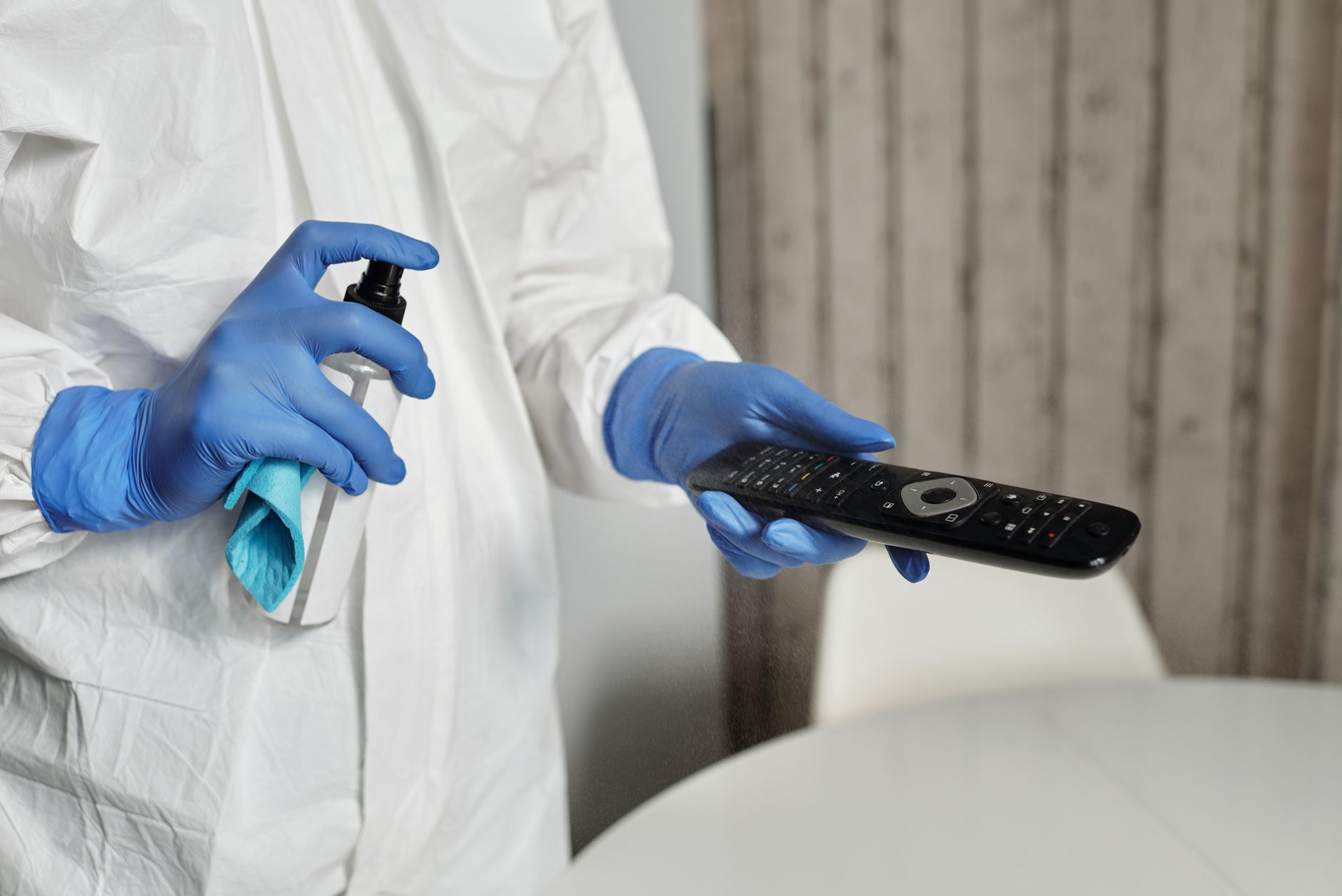
Regular sanitation services are essential because New Orleans humidity, storms, and older homes let mold, bacteria, and odors build up faster than ordinary cleaning can keep up with. Scheduled professional sanitation removes hidden contaminants from surfaces, ducts, and crawl spaces before they affect your air and your health, protecting both your family and the structure of your property year-round.
At Big Easy Remediation, we have spent over a decade helping New Orleans homeowners stay ahead of how quickly a humid climate turns ordinary buildup into a real health and safety concern. In this city, moisture never really takes a break, and neither do the contaminants it feeds.
Many homeowners assume routine cleaning is enough, but surface cleaning rarely reaches the mold, bacteria, and grime that settle out of sight. By the time those problems become obvious, the air you breathe has often already been affected.
This guide explains why regular sanitation matters so much in our climate and what professional service actually protects you from. Contact us today to set up a sanitation plan built around your property and its specific risks.
What Are Sanitation Services and Why Do They Matter?
Sanitation services are professional disinfection treatments that remove biological contaminants such as mold, bacteria, and odors from surfaces, air systems, and hidden moisture zones that ordinary cleaning never reaches. They go far beyond wiping a counter, targeting the spores and microbes that settle out of sight.
In a city this humid, that distinction matters more than almost anywhere else. Regular cleaning removes the dirt you can see, while sanitation neutralizes the spores, microbes, and odors you cannot. The two work together, but only one of them actually protects your indoor air and your family’s health.
Treating sanitation as a routine part of property care, rather than a reaction to a crisis, is what keeps small problems from compounding. Getting ahead of contamination beats chasing it after it has spread through walls, ducts, and flooring.
Why Sanitation Matters More in New Orleans
Few places challenge a property the way southeast Louisiana does. Our humidity rarely lets up, summer storms drive moisture deep into walls and crawl spaces, and a single hurricane season can leave homes damp for weeks at a time.
That constant moisture is exactly what contaminants need to thrive. Unlike drier regions where occasional cleaning may be enough, our homes face a steady cycle of dampness that lets mold, bacteria, and odors rebuild between cleanings. Several local conditions make routine sanitation a practical necessity here rather than a luxury.
- Year-round humidity that keeps surfaces and building materials damp enough to support growth
- Hurricane season and flooding that push contaminated water into floors, walls, and insulation
- High water tables that feed moisture into crawl spaces and slab foundations
- Older housing stock built from porous materials that hold dampness and feed microbial growth
Each of these gives contamination a head start, which is why local properties benefit from a regular schedule instead of waiting for a visible problem to appear.
How Humidity Drives Mold and Bacteria Indoors
Mold does not need standing water to take hold, only sustained dampness and time. In southeast Louisiana, condensation on cool surfaces, slow plumbing leaks, and humidity seeping through older materials all supply more than enough moisture.
Once mold establishes, it releases airborne spores that drift into other rooms and settle on new surfaces. Bacteria follow a similar pattern, thriving on damp high-touch areas in kitchens and bathrooms that can look perfectly clean to the eye. Regular sanitation interrupts both cycles, and when growth has already spread our residential mold removal targets the colonies before they mature.
That is the real value of scheduled service in a climate like ours. Rather than reacting after spores or microbes have spread, routine sanitation keeps their levels low enough that your indoor air stays healthy and your surfaces stay genuinely clean.
The Health Risks of Skipping Regular Sanitation
When contamination is allowed to build, the effects show up in ways that are easy to mistake for everyday ailments. Many families live with these symptoms for months before connecting them to the air inside their own homes.
Respiratory Irritation
Breathing air heavy with mold spores and airborne particles can cause coughing, congestion, a sore throat, and wheezing, even in otherwise healthy people. In a closed-up home with the air conditioning running, those contaminants keep recirculating until the source is treated.
The longer the exposure lasts, the more the irritation tends to build. Symptoms that feel like a lingering cold can actually be your body reacting to what is in the air, especially when they ease the moment you spend time away from the house.
Allergy and Asthma Flare-Ups
For anyone with asthma or seasonal allergies, an unsanitized environment is a constant trigger that makes symptoms far harder to control. Flare-ups can continue night after night as long as the contamination keeps circulating through the home.
Children and older adults tend to react first, since their airways are more sensitive to airborne irritants. Persistent wheezing or chest tightness that improves when you leave the house is a sign worth taking seriously rather than waiting out.
Higher Risk for Vulnerable People
Infants, older adults, and anyone with a weakened immune system feel the effects of poor sanitation soonest and most severely. For these groups, ongoing exposure can turn a comfort issue into a genuine respiratory concern.
When someone in the household already has a health condition, keeping contamination in check becomes a safety priority rather than a cosmetic one. Regular professional sanitation removes the source instead of relying on air filters alone to manage the symptoms.
Why Post-Flood Sanitation Cannot Be Skipped
When floodwater enters a property, it is rarely clean. In many New Orleans neighborhoods that sit low and drain slowly, floodwater can mix with sewage and outdoor runoff, carrying contaminants onto every surface it touches.
Drying out a flooded space is only the first step, and on its own it leaves the real danger behind. Proper post-flood sanitation means removing contaminated materials, disinfecting structural surfaces, and treating the air system so pathogens are not simply redistributed once everything dries. Skipping that work is what leads to recurring mold and the lingering odors that signal ongoing contamination.
For the most serious situations, contamination reaches well beyond what surface cleaning can fix. When standing water has carried sewage into a home, our sewage backup cleanup addresses the full scope of the problem rather than masking it, so your property is genuinely safe to live in again.
Why Older Homes Need Sanitation More Often
Many of our historic homes were built for airflow in an era before central air conditioning existed. Sealed windows and modern cooling changed how moisture moves through these structures, trapping dampness in wall cavities and attics that were originally designed to breathe.
Raised foundations help during minor flooding but create crawl spaces that hold humid air and organic debris. Without regular inspection and sanitation, those spaces can become hidden zones where mold migrates upward into living areas through floorboards and gaps in the subfloor. Slab-on-grade homes face a different version of the same problem, as moisture wicking through concrete affects flooring at floor level.
This is why a one-size-fits-all cleaning schedule rarely fits an older New Orleans property. The combination of aging materials and constant humidity calls for sanitation that reaches the spaces a routine cleaning never touches.
How Contaminated Air Spreads Through Your Home
One of the most overlooked risks is how easily contamination travels once it reaches your air system. Heating and cooling equipment that runs for much of the year can pull spores and particles into the returns and circulate them through every room.
Ductwork collects dust, moisture, and biological material that feeds mold and bacterial growth over time. Each time the system cycles on, it can distribute those contaminants throughout the home, which is how a problem that began in one damp corner ends up affecting the air everywhere. That is why duct and system treatment is one of the most effective parts of a thorough sanitation plan.
Improving indoor air quality in a humid climate means addressing the air pathway directly, not just wiping down visible surfaces. Our air duct and HVAC cleaning reaches the system that moves air through your entire property, so cleaner surfaces are backed by cleaner air.
When to Schedule Routine Service vs. Call Right Away
Some sanitation needs are routine, while others signal a larger problem that calls for immediate professional attention. Knowing the difference helps you act before a small issue spreads deeper into your home.
The table below breaks down the most common situations we see and the response each one calls for, so you can match what you are noticing to the right next step.
| Situation | What It Signals | Recommended Response |
|---|---|---|
| Musty odor in closets or crawl spaces | Early moisture and hidden growth | Schedule routine sanitation soon |
| A full storm season with no cleaning | Accumulated seasonal contamination | Book a seasonal deep sanitation |
| Any floodwater inside the property | Possible sewage and pathogen exposure | Call for immediate service |
| New respiratory symptoms indoors | Active airborne contamination | Have your home assessed promptly |
When water damage is involved, waiting too long lets contaminants soak deeper into building materials and widens the scope of the work. In southeast Louisiana, the short window before mold begins growing is a real deadline, not a suggestion.
What Professional Sanitation Services Actually Cover
A thorough sanitation visit is built around the specific risks a humid property faces, not a generic checklist. We focus on the surfaces, systems, and hidden spaces where contamination is most likely to settle and spread.
Professional service typically reaches several areas a standard cleaning misses:
- High-touch surfaces in kitchens and bathrooms treated with professional-grade disinfectants
- Air ducts and HVAC systems that circulate spores and particles room to room
- Crawl spaces and attics where humid air and organic debris collect out of sight
- Floors and subfloors where moisture settles and microbial growth begins
- Odor sources that signal contamination rather than simple staleness
By covering each of these in one coordinated visit, we keep contamination from migrating between areas after the work is done. That whole-property approach is what separates lasting protection from a clean that only lasts until the next humid week.
Why Regular Sanitation Beats Waiting for a Problem
It is tempting to put off sanitation until something looks visibly wrong, but here that approach almost always costs more in the end. Contamination that builds quietly between cleanings reaches deeper into materials and is far harder to reverse once it sets in.
A regular schedule keeps the work limited to maintenance rather than emergency cleanup and demolition. Catching buildup early means treating surfaces and air systems before mold colonies mature or odors set into materials, which protects both your health and your repair budget. For situations where contamination has already taken hold, our dedicated professional sanitation services bring the right equipment and protocols to reset the property to a genuinely safe baseline.
That proactive rhythm is what living in a humid climate really calls for. A scheduled approach protects your health and your repair budget far better than reacting once the damage is already done.
Protect Your Property With a Regular Sanitation Plan
Living in New Orleans means accepting that moisture is a constant factor in caring for your property, which makes regular sanitation a practical necessity rather than an option. Acting on a schedule keeps mold, bacteria, and odors from quietly building into a health and safety problem.
If you want cleaner air and a safer home without the guesswork, the next step is a sanitation plan matched to your property’s risks. Call us today and let Big Easy Remediation keep your New Orleans property clean, safe, and protected year-round.
Common Questions
Frequently Asked Questions About Home Sanitation
How often should New Orleans homeowners schedule professional sanitation?
Most local properties benefit from professional sanitation at least twice a year, once before hurricane season and once after it ends. Homes with known moisture issues, older construction, or a history of flooding often need service more frequently to stay ahead of buildup.
Does regular sanitation actually help prevent mold in a humid climate?
Yes, because routine sanitation removes the organic material and surface moisture that mold needs to grow. Combined with good ventilation and humidity control, scheduled service significantly lowers the chance of mold establishing inside walls, crawl spaces, and air systems.
What should I do about sanitation after minor flooding?
Even minor flooding introduces bacteria and contaminants that need professional treatment. Remove standing water as quickly as you safely can, increase airflow with fans, and contact us promptly so affected areas are sanitized before mold has a chance to begin growing.
Is professional sanitation different from regular cleaning?
Yes, the two are not the same. Regular cleaning removes visible dirt, while professional sanitation disinfects surfaces, treats air systems, and reaches hidden moisture zones to neutralize the mold spores, bacteria, and odors that ordinary cleaning leaves behind.
Do commercial properties need regular sanitation too?
Commercial properties face the same humidity and flooding risks as homes, often with more people using the space each day. Regular sanitation helps maintain safe indoor air, reduces liability tied to occupant health complaints, and protects building materials from moisture-driven damage.
Can poor sanitation affect my indoor air quality?
It can, and significantly so. When mold spores, bacteria, and allergens accumulate in an unsanitized property, your heating and cooling system can circulate them through every room, which is why treating the air pathway is a core part of effective sanitation.
How quickly should I act after water damage?
As quickly as possible, since mold can begin growing within 24 to 48 hours of water exposure. In our humid climate that window is a firm deadline, so prompt sanitation after any flooding or leak is the most reliable way to prevent a larger problem.
Will regular sanitation help with persistent household odors?
Often yes, because lingering odors usually signal hidden contamination rather than simple staleness. Professional sanitation locates and treats the source, whether it is in ductwork, crawl spaces, or porous materials, instead of masking the smell with fragrances that wear off.
Need restoration help in New Orleans?
Same-day response to water, mold, fire, and cleaning emergencies across Greater New Orleans, with a written scope before any work begins.