Category 1, 2, and 3 Water Damage: Why the Difference Matters
Water damage categories rank water by contamination level. Category 1 is clean water from a sanitary source like a supply line. Category 2, or gray water, carries chemical or biological contaminants that can cause illness. Category 3, black water, is grossly unsanitary and may contain sewage, pathogens, or floodwater. In New Orleans, standing water can move up the scale within roughly a day or two, which changes how a property must be cleaned and dried.
Not all water damage is the same, and the kind of water in your home decides how it has to be handled. At Big Easy Remediation, the first thing we identify on any job is the water category.
That category drives everything: what can be saved, what has to go, and how we protect your health during cleanup. Getting it wrong puts your home and your family at risk.
Here is a plain-English breakdown of the three categories and why each one matters. Contact us today if you are not sure what kind of water you are dealing with.
The Three Categories of Water Damage
The industry sorts water into three categories based on how clean or contaminated it is. The higher the number, the greater the risk.
Category 1: Clean Water
This comes from a sanitary source, such as a supply line, a faucet, or a fresh-water appliance leak. It poses little immediate health risk, but it does not stay clean for long. Left sitting, Category 1 water absorbs contaminants and can move up to Category 2 within a day or two.
Category 2: Gray Water
Gray water carries some contamination and can cause illness if swallowed or touched. Common sources include dishwasher and washing-machine overflow, toilet overflow with no solids, and sump-pump failures. It needs proper protective equipment and thorough cleaning, not just a mop.
Category 3: Black Water
This is grossly contaminated water that can carry bacteria, sewage, and other hazards. Sewer backups, toilet overflow with solids, and outside flooding all fall here. Black water is a genuine health danger and should only be handled by a trained, equipped crew.
Why the Category Can Change Over Time
A category is not fixed. Clean water that sits in a warm, humid New Orleans home will degrade as it picks up dirt, bacteria, and material from whatever it touches. A leak that started as Category 1 on Monday can be Category 2 by Tuesday and a mold problem by the weekend. This is exactly why fast response matters so much, and why we treat standing water as a moving target rather than a fixed condition.
How the Category Affects Cleanup and What You Keep
With Category 1 water, many materials can be dried and saved if we reach them quickly. With Category 2 and especially Category 3, porous items soaked by the water, such as carpet padding, drywall, and insulation, usually have to be removed and replaced for safety. We document why each removal is necessary so nothing comes out that did not need to, and so your claim reflects the true scope.
Why the Category Matters for Your Insurance Claim
Adjusters care about the source and the category because it affects both coverage and the scope of work. Clear documentation of where the water came from, what category it was, and how far it spread helps your claim move smoothly. We record moisture readings, dated photos, and an itemized scope so your adjuster has everything they need to evaluate the loss.
Water Categories at a Glance
Here is how the three categories compare.
| Category | Typical Source | Health Risk | How It Is Handled |
|---|---|---|---|
| Category 1 | Supply line, faucet, fresh-water appliance | Low | Dry and save where possible |
| Category 2 | Dishwasher or washer overflow, sump failure | Moderate | Protective gear, clean and selectively remove |
| Category 3 | Sewage, toilet with solids, outside flooding | High | Trained crew, remove porous materials |
Why This Matters More in New Orleans
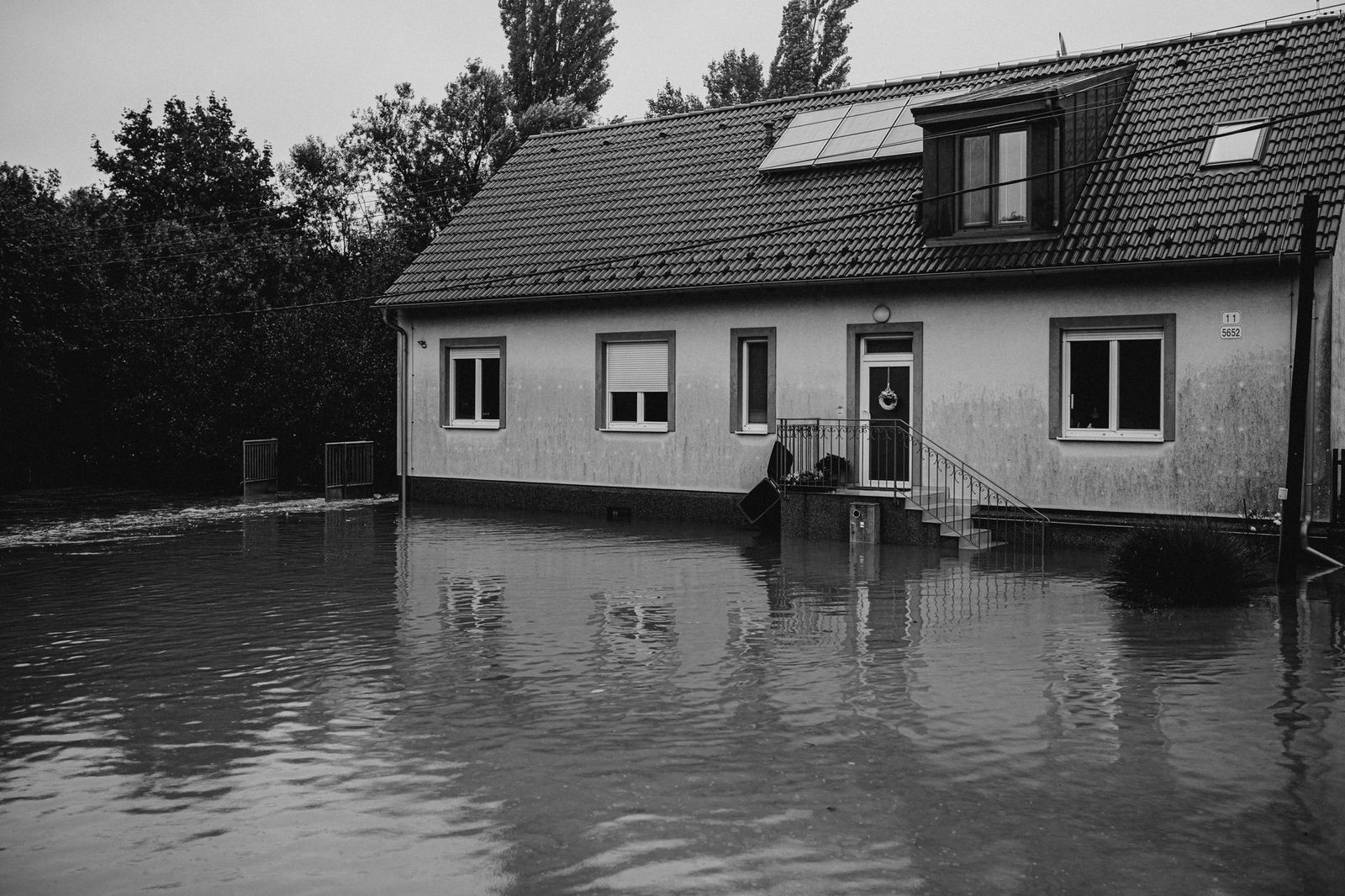
Flooding from storms and heavy rain is a seasonal reality here, and floodwater is almost always Category 3. That means a single weather event can fill a home with contaminated water that has to be handled with full protective protocols. Add our humidity and older housing stock, and the safe move after any flooding is to treat the water as a hazard and have it assessed before you start cleaning. Learn more about our full approach on our water damage restoration page.
Get the Right Response for Your Water Damage
Knowing the category is the difference between a safe cleanup and a health risk you cannot see. The sooner the water is identified and handled correctly, the more of your home you protect.
Big Easy Remediation identifies the category, documents the loss, and handles every type of water damage across Greater New Orleans. Call us today to get a certified crew on the way.
Common Questions
Frequently Asked Questions About Water Damage Categories
How do I know what category my water damage is?
Start with the source. Water from a clean supply line is Category 1, water from appliance overflow is usually Category 2, and anything involving sewage or outside flooding is Category 3. When in doubt, treat it as contaminated and have it assessed.
Is gray water dangerous?
It can be. Gray water carries enough contamination to cause illness if swallowed or if it touches broken skin, so it should be handled with gloves and proper cleaning rather than a household mop.
Can clean water become contaminated?
Yes. Clean Category 1 water degrades as it sits and picks up dirt and bacteria, often moving to Category 2 within a day or two in our climate.
Does insurance treat the categories differently?
Coverage depends on the source and your policy, not the category alone, but documenting the category and source helps your adjuster evaluate the claim. We provide that documentation on every job.
Why does drywall have to be removed with black water?
Drywall is porous and soaks up contaminated water, which cannot be fully cleaned once absorbed. Removing affected sections is the safe way to prevent lingering bacteria and mold.
Is floodwater always Category 3?
Outside floodwater is treated as Category 3 because it can carry sewage, chemicals, and other contaminants picked up along the way. It always calls for protective protocols.
How fast does the category get worse?
It varies with temperature and humidity, but in a warm New Orleans home, clean water can degrade within 24 to 48 hours. Fast response keeps the category and the damage lower.
Can Big Easy Remediation handle Category 3 cleanup?
Yes. Our IICRC-certified crew is trained and equipped for contaminated water, including sewage and flood cleanup, with full sanitation and documentation.
Need restoration help in New Orleans?
Same-day response to water, mold, fire, and cleaning emergencies across Greater New Orleans, with a written scope before any work begins.