
Steps to Mitigate Damage After a Sewage Backup in New Orleans
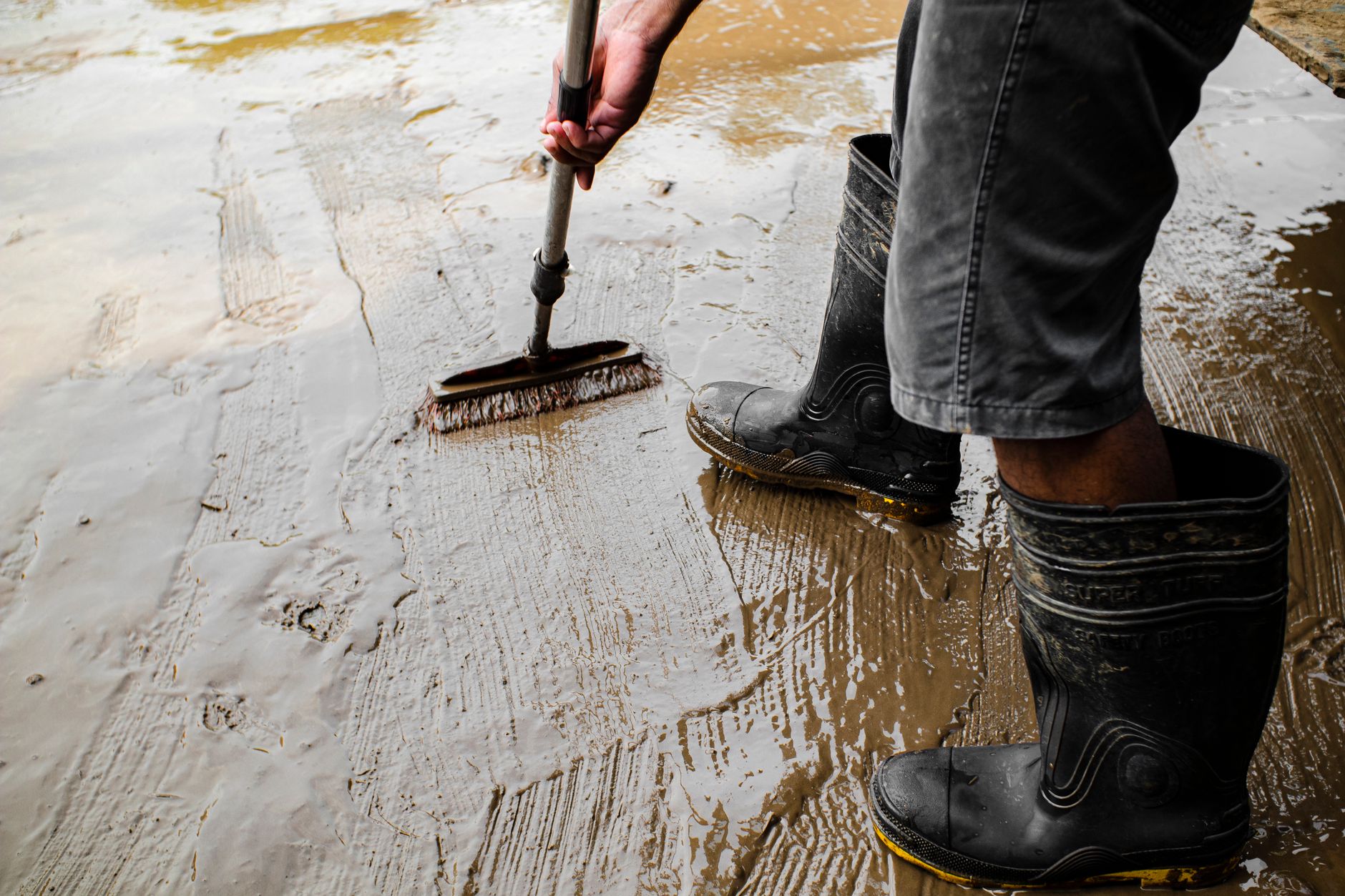
After a sewage backup, protect your health first by avoiding contact and ventilating the space, then shut off utilities if it is safe. Document the damage for insurance, remove contaminated items, and call a professional cleanup team right away. Acting within hours limits property damage, controls odor, and stops mold from taking hold in the humid New Orleans climate.
At Big Easy Remediation, we know a sewage backup is one of the most stressful problems a New Orleans homeowner can face. The water is contaminated, the smell is overwhelming, and the damage spreads fast if nothing is done.
What you do in the first few hours matters more than almost anything else that follows. Quick, careful action protects your health, limits the repair bill, and keeps a bad day from turning into weeks of restoration work.
This guide walks you through the exact steps to take after a sewage backup, in the order they matter most. Contact us today to get a trained crew on the way before the contamination has a chance to settle in.
What Should You Do First After a Sewage Backup?
The first thing to do after a sewage backup is keep everyone away from the contaminated water and call for professional cleanup. Sewage carries bacteria, viruses, and other pathogens that make even a small backup a genuine health hazard, not just a mess to mop up.
Once people and pets are clear of the area, your focus shifts to slowing the damage. That means stopping water from spreading to clean rooms, cutting off utilities where it is safe, and getting the documentation you will need for an insurance claim. Each of these steps takes only minutes, but they shape how quickly and how completely your home recovers.
In our humid climate, time works against you from the very first minute. The longer sewage sits, the deeper it soaks into materials and the sooner mold begins to form, so a fast, organized response always pays off. A calm, step-by-step approach also keeps you from making the situation worse, since well-meaning but rushed cleanup can spread contamination into rooms that were never affected.
Why Fast Damage Mitigation Matters So Much
A sewage backup is far more than a foul-smelling inconvenience. It introduces contaminants that threaten your health, your belongings, and the structure of your home all at the same time.
The damage also compounds quickly. Every hour the water sits, it soaks deeper into flooring, drywall, and framing, turning a cleanup job into a demolition-and-rebuild project. Acting fast is the single best way to keep costs down and protect what can still be saved.
There is a financial side to speed as well. Many insurance policies expect prompt action to limit a loss, so a quick, documented response can make the difference between a smooth claim and a complicated one.
Lingering contamination can also lower a property’s value and make it harder to sell or insure later, which is one more reason not to wait. Treating a backup as an emergency from the first minute protects both your home and your wallet.
Step One: Protect Your Personal Safety
Before any cleanup begins, your safety and your family’s safety come first. Sewage water is heavily contaminated, so treat it as hazardous from the moment you spot it.
A few simple precautions keep a dangerous situation from becoming worse:
- Avoid all contact. Do not touch the water or any soaked items without waterproof gloves, boots, and protective clothing.
- Ventilate the area. Open windows and doors to move fresh air through the space and reduce the buildup of harmful gases.
- Shut off utilities. If you can reach them safely, turn off electricity and gas to the affected area to prevent shock and leaks.
- Keep children and pets away. Close off the room entirely so no one wanders into the contamination.
If the backup is large, the water is near outlets, or you feel unsafe at any point, step back and wait for professionals. No belonging is worth risking your health over, and a trained crew is equipped to enter where you should not. The same caution applies to anyone in the household with breathing problems or a weakened immune system, who should leave the area entirely until it has been cleaned.
Step Two: Document the Damage for Insurance
Before anything is moved or cleaned, take time to record exactly what happened. Thorough documentation is what turns a stressful loss into a smoother insurance claim.
Use your phone to take clear photographs and videos of every affected room, surface, and item, capturing both wide shots and close-ups of the worst damage. Then write a simple inventory listing the belongings that were soaked, along with rough purchase dates and values where you can recall them.
This record protects you in two ways. It gives your insurer the evidence they need to process your claim, and it gives any restoration team a clear starting point for scoping the work.
Try to capture the standing water line on the walls and the source of the backup as well, since those details help establish what happened. Spending a few extra minutes here often saves days of back-and-forth later.
Step Three: Call a Professional Sewage Backup Cleanup Team
Sewage cleanup is hazardous, technical work that is not safe to handle alone. The contaminants involved, combined with the speed at which damage spreads, make this a job for trained professionals with the right equipment.
A qualified team arrives with industrial extraction units, antimicrobial treatments, and commercial drying gear that no household kit can match. Just as important, they know how to contain the contamination so it does not spread to clean areas of your home through air or foot traffic.
The sooner that call happens, the better your outcome. We respond to sewage emergencies across Greater New Orleans, and getting a crew on site quickly is often what keeps a contained backup from becoming a whole-home loss. A professional assessment also tells you what can be saved and what cannot, so you are not guessing about your belongings or paying to clean items that should simply be replaced.
Step Four: Remove Contaminated Items
Once the area is safe and documented, the contaminated contents have to go. Sewage seeps into porous materials and cannot be reliably cleaned out of them, so removal protects everyone in the home.
Carpet, padding, soaked drywall, upholstered furniture, mattresses, and any food or paper goods that touched the water should be removed and disposed of properly. Hard, non-porous items like glass, metal, and sealed plastics can often be saved through professional sanitizing instead.
Local rules govern how contaminated waste is bagged and discarded, so it is worth letting your cleanup team handle disposal. They follow the proper guidelines and spare you from handling hazardous material by hand. Removing the soaked contents early also opens up the structure for drying, which is the step that ultimately decides whether mold gains a foothold in your home.
Step Five: Clean, Sanitize, and Deodorize
With the contaminated items out, the focus turns to making the space safe again. This is the stage where professional equipment and training matter most, because a surface wipe-down does not eliminate the pathogens sewage leaves behind.
A proper cleanup addresses three things at once:
- Sanitizing: Every affected floor, wall, and fixture is cleaned and treated with hospital-grade antimicrobial agents.
- Deodorizing: Specialized treatments and air movement neutralize the lingering odor rather than masking it.
- Drying: Commercial dehumidifiers and air movers pull moisture out of materials before it can feed mold.
That last step is critical in our region. New Orleans humidity keeps surfaces damp long after the visible water is gone, so thorough structural drying is the only reliable way to keep the area from staying a problem. Professionals monitor moisture levels until the materials test dry, rather than stopping once a floor simply looks clean, because a surface that feels dry can still hold enough moisture to feed new growth.
Why Sewage Backups Hit New Orleans Homes Hard
Few places make a sewage backup as challenging as southeast Louisiana. Heavy rains regularly overwhelm aging sewer infrastructure, low elevation slows drainage, and storm surge can push water back through the system all at once.
Our older housing stock adds to the risk, with original wood, plaster, and tight floor plans that soak up moisture and hold it. Several local conditions make backups both more likely and more damaging here than in drier parts of the country:
- Frequent heavy rainfall that overloads aging sanitary sewer lines
- Low-lying ground and high water tables that slow how fast water drains away
- Mature tree roots that work their way into older clay sewer pipes
- Persistent humidity that keeps soaked materials damp and primed for mold
Each of these gives sewage water more time to do harm, which is why local homes need a faster, more thorough response than a one-size-fits-all approach would suggest.
How Mold Follows a Sewage Backup
One of the biggest dangers after a backup is what comes next. The damp, contaminated environment a backup leaves behind is nearly perfect for mold, and in our climate it can take hold within 24 to 48 hours.
That short window is why drying cannot wait. Once mold settles into drywall, subflooring, or insulation, the cleanup expands from sanitizing surfaces to removing and rebuilding the materials it has invaded, which adds both time and cost to the recovery.
Because the moisture often hides inside walls and under floors, mold from a backup frequently grows out of sight before anyone notices it. By the time a musty smell appears, the growth may already be well established behind the surface. Treating the water damage thoroughly and quickly is the most reliable way to keep a sewage problem from becoming a separate mold problem on top of it.
Step Six: Repair, Restore, and Prevent It Again
After the space is clean, sanitized, and dry, the work shifts to putting your home back together. Structural repairs to walls, ceilings, and floors come first, followed by a careful look at the plumbing to find and fix whatever caused the backup.
The table below lays out the core mitigation steps, why each one matters, and how urgently it needs to happen.
| Step | Why It Matters | How Urgent |
|---|---|---|
| Protect personal safety | Sewage carries bacteria and viruses | Immediately |
| Document the damage | Supports your insurance claim | Before cleanup begins |
| Call professionals | Safe, complete contamination removal | Within the first hour |
| Clean, sanitize, and dry | Stops pathogens and prevents mold | Within 24 to 48 hours |
To lower the odds of it happening again, schedule routine plumbing inspections, install a backwater valve to block reverse flow, and keep wipes, grease, and hygiene products out of your drains. We handle complete sewage backup cleanup along with the sanitation services that make a home safe to live in again.
What a Professional Cleanup Actually Solves
It is tempting to grab a mop and try to handle a small backup yourself, but surface cleaning leaves the real hazards behind. The pathogens soak into materials, the moisture lingers in places you cannot reach, and the odor returns once the area warms up.
Our process is built to solve the whole problem, not just the part you can see. We contain the contamination, extract the water, remove what cannot be saved, sanitize every surface, and dry the structure completely before restoration begins.
We also verify that materials are fully dry with moisture readings rather than guessing, because trapped dampness is exactly what allows mold and odor to creep back. You can see the full range of our professional cleaning services for how we bring a home back from contamination to comfort.
Act Quickly to Protect Your Home and Health
A sewage backup only gets worse the longer it sits, and every hour adds to both the contamination and the cost. Moving quickly through these steps protects your health, your belongings, and the structure of your home.
If you are dealing with a backup right now, the safest next move is to get a trained crew on site without delay. Call us today and let Big Easy Remediation restore your New Orleans home safely, thoroughly, and as quickly as possible.
Common Questions
Frequently Asked Questions About Sewage Backup Cleanup
What is the first thing to do after a sewage backup?
Keep everyone away from the contaminated water and call a professional cleanup team. Sewage carries dangerous bacteria and viruses, so avoiding contact and getting expert help on the way are the two most important first steps before any cleanup begins.
Is sewage backup water dangerous to my health?
Yes, sewage water is heavily contaminated with bacteria, viruses, and other pathogens that can cause gastrointestinal illness, skin infections, and respiratory problems. Always avoid direct contact, wear protective gear if you must enter the area, and leave the cleanup to trained professionals.
Can I clean up a sewage backup myself?
Small drips may seem manageable, but sewage cleanup is hazardous and requires specialized equipment and sanitizing agents. Surface cleaning leaves pathogens and moisture behind, so professional cleanup is the only reliable way to make the area safe and prevent lingering contamination.
How quickly does mold grow after a sewage backup?
Mold can begin growing within 24 to 48 hours of water exposure, and our humid New Orleans climate speeds that along. Thorough drying immediately after cleanup is the most effective way to stop mold before it takes hold in walls and flooring.
Will my insurance cover a sewage backup?
Coverage varies by policy, and some plans require a separate sewer backup endorsement. Many insurers also expect prompt action to limit the loss, which is why documenting the damage and starting cleanup quickly helps protect your claim and your reimbursement.
What items need to be thrown away after a sewage backup?
Porous items that absorbed sewage usually cannot be salvaged, including carpet, padding, soaked drywall, upholstered furniture, mattresses, and any food or paper goods. Hard, non-porous surfaces like glass, metal, and sealed plastics can often be saved through professional sanitizing.
Why do sewage backups happen so often in New Orleans?
Heavy rainfall regularly overwhelms aging sewer lines, low-lying ground slows drainage, and mature tree roots invade older pipes. These local conditions, combined with persistent humidity, make backups both more common and more damaging here than in drier regions.
How can I prevent a future sewage backup?
Schedule routine plumbing inspections, install a backwater valve to block reverse flow, and avoid flushing wipes, grease, or hygiene products. These preventive steps catch problems early and reduce the chance of sewage flowing back into your home during heavy rain.
Need restoration help in New Orleans?
Same-day response to water, mold, fire, and cleaning emergencies across Greater New Orleans, with a written scope before any work begins.