Why You Need Expert Clean Up for Sewage Spills in New Orleans
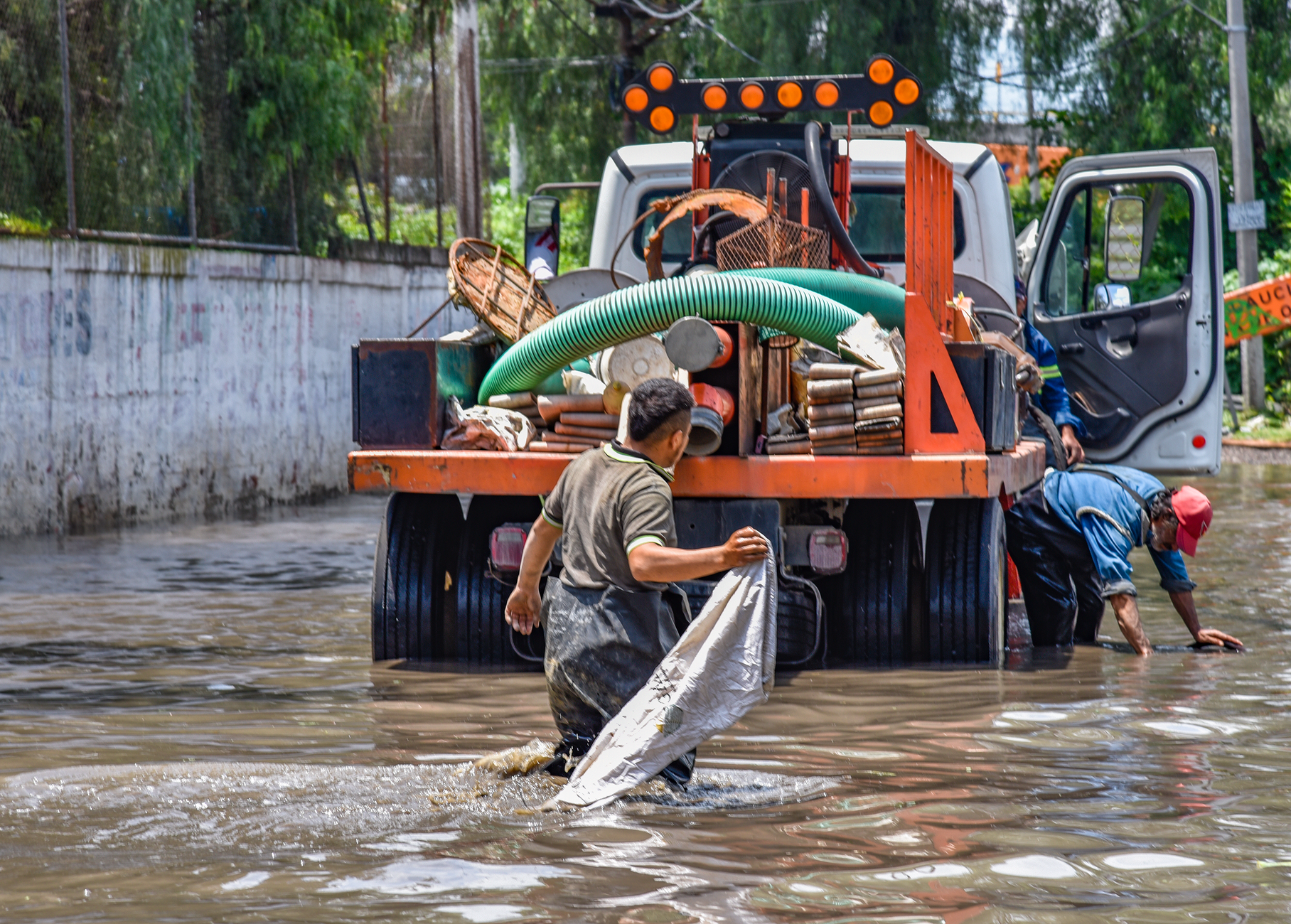
A sewage spill needs expert clean up because the wastewater carries bacteria, viruses, and other pathogens that ordinary household cleaning cannot make safe. Professionals contain the contamination, extract the waste, sanitize every affected surface, and dry the space so mold never takes hold. In humid, flood-prone New Orleans, fast professional sewage spill cleanup is the safest way to protect your health and your home.
At Big Easy Remediation, we know a sewage spill is never just a mess to mop up. It is a health hazard that spreads fast through walls, flooring, and the air your family breathes.
Many homeowners reach for gloves and a bucket, not realizing how much risk sits in that contaminated water. What looks like dirty water is actually a stew of bacteria, viruses, and parasites that demand professional handling.
This guide explains why sewage spills call for expert clean up and what a professional response actually involves. Contact us today to schedule fast, safe sewage cleanup before the contamination has a chance to spread.
Why Do Sewage Spills Require Professional Clean Up?
Sewage spills require professional clean up because the water is biohazardous, not simply dirty. Raw sewage carries harmful bacteria, viruses, and parasites that cause skin infections, stomach illness, and respiratory problems, and surface wiping does nothing to neutralize them.
A trained crew brings the protective gear, containment, and disinfecting agents that the job actually demands. We isolate the area so contamination does not travel, extract the waste safely, and sanitize every surface it touched. Just as important, we dry the space thoroughly so mold cannot move in behind the cleanup.
In our humid climate, that last step matters more than most people expect. Standing moisture from a spill can seed a mold problem within a day or two, turning one emergency into two if it is not handled correctly the first time.
What Makes Sewage Water So Dangerous?
What makes sewage water dangerous is the concentrated mix of human waste, household chemicals, and microorganisms it carries. Even a small spill can expose your family to illness through contact, ingestion, or the air, which is why we treat every backup as a genuine health emergency rather than a routine cleanup.
The contamination is not always obvious to the eye, and that is part of the danger. Water can look almost clear while still carrying a heavy pathogen load, so judging risk by appearance is a serious mistake. We treat every backup as fully contaminated until the source and flow path of the water prove otherwise.
Harmful Bacteria and Viruses
Raw sewage is full of bacteria such as E. coli and salmonella, along with viruses that cause gastrointestinal illness. Exposure can happen through a small cut, contaminated hands, or splashing during an untrained cleanup attempt.
These organisms thrive in warm, damp conditions, which our climate provides for much of the year. That is why proper disinfection, not just removal, is the core of safe sewage cleanup. A surface that looks clean can still harbor live bacteria, so we sanitize to a standard you cannot reach with store-bought cleaners.
Toxic Gases and Odors
Sewage releases gases like hydrogen sulfide and methane as it sits and breaks down. These gases can cause headaches, dizziness, and nausea, and in a closed-up home they build quickly to uncomfortable levels.
The strong odor that follows a backup is more than unpleasant. It is a signal that the air itself is no longer safe. Proper ventilation and air treatment are part of restoring a room you can actually live in again. We address the source of the smell rather than masking it, because a covered odor almost always means contamination is still present.
Lingering Contamination
Even after the visible water is gone, contamination soaks into porous materials like drywall, carpet, and subflooring. Without full extraction and sanitizing, those hidden reservoirs keep the area unsafe and the odor present.
This is exactly where do-it-yourself efforts fall short. Surface cleaning leaves the deeper contamination in place, where it continues to threaten health long after the floor looks dry. Finding and treating those hidden reservoirs takes moisture meters and trained eyes, not a mop and a hopeful guess.
What Causes Sewage Spills in New Orleans Homes?
Sewage spills in our area come from a familiar set of culprits, and our geography makes several of them worse. Older neighborhoods, heavy rainfall, and a high water table all push our local plumbing systems harder than they were ever built to handle.
Understanding the cause helps explain why these spills are so common here and why fast professional response is the safer choice. The most frequent triggers we see include:
- Blocked sewer lines, where grease, debris, or flushed items obstruct the flow of wastewater
- Tree root intrusion, as roots work into older pipe joints and slowly choke the line
- Heavy rainfall and storm surge, which overwhelm the sewer system and force water back indoors
- Aging or cracked pipes, common in our many older homes built with materials that wear out over time
- Sump pump or backwater valve failure, leaving low areas of the home exposed during flooding
Because so many of these causes tie back to weather and aging infrastructure, our homes face sewage risk more often than properties in drier regions. Knowing the common triggers makes it easier to act fast when one of them strikes.
The Hidden Damage a Sewage Spill Leaves Behind
A sewage spill does its worst work in the places you cannot see. The visible water is only the surface of the problem, while the real damage settles into the materials your home is built from.
Contaminated water wicks into drywall, insulation, subflooring, and framing, where it both spreads pathogens and feeds future mold growth. Left untreated, that hidden moisture leads to rot, structural weakening, and odors that never fully clear. The table below shows where sewage damage tends to concentrate and why each area needs professional attention.
| Affected Area | What the Spill Does | Why It Matters |
|---|---|---|
| Drywall and insulation | Soaks up contaminated water and holds it | Usually must be removed, not cleaned |
| Carpet and flooring | Traps pathogens deep in fibers and padding | Rarely salvageable once sewage soaks in |
| Wood subfloors and framing | Absorbs moisture and begins to rot | Threatens the structure if left wet |
| Indoor air quality | Fills the home with gases and spores | Affects every room, not just the spill site |
Because the damage reaches so far beyond the visible mess, a thorough professional assessment is the only way to know what is truly safe to keep. We trace the contamination to its full extent so nothing dangerous gets sealed back into your walls.
How Professionals Clean Up a Sewage Spill Safely
Professional sewage cleanup follows a careful sequence designed to protect both health and property. Each step builds on the last, and skipping any one of them leaves contamination behind that can make people sick or invite mold.
The goal is never just to remove the water, but to return the space to a genuinely safe, sanitary condition. Our process is methodical for exactly that reason.
Containment and Protection
We start by isolating the affected area so contamination cannot spread to clean parts of the home. Our crew wears full protective gear, because direct contact with sewage is a real health hazard, not a precaution to skip.
This first step also protects your family, since limiting airflow and traffic keeps spores and pathogens from traveling. A controlled work zone is the foundation of a safe cleanup, and it is one of the most common steps an untrained attempt skips entirely.
Extraction and Removal
Next, we extract the standing wastewater and remove materials that cannot be salvaged, such as soaked carpet, padding, and contaminated drywall. Trying to save these items often costs more in the long run, since the contamination simply lingers.
Removing the right materials early speeds drying and prevents the spill from feeding a mold problem. We base every removal decision on how deeply the contamination has soaked in, so we keep what is safe and take out only what cannot be sanitized.
Sanitizing and Disinfecting
Once the area is cleared, we clean and disinfect every surface the sewage touched with professional-grade agents. This step neutralizes the bacteria and viruses that ordinary household cleaners leave behind.
Thorough sanitizing is what separates a clean-looking room from a genuinely safe one. We treat hidden surfaces too, not just the floor you can see, since pathogens settle on baseboards, framing, and the underside of fixtures.
Drying and Odor Control
Finally, we dry the space completely using commercial equipment, because lingering moisture is what invites mold in our humid climate. We also address the odors that sewage leaves in the air and the materials.
Only when the area is fully dry and sanitized do we consider the job finished. That final check is the difference between a spill that is handled and one that quietly returns as mold. We confirm dryness with meters rather than guesswork, because a floor can feel dry on top while the subfloor stays damp underneath.
Why Do-It-Yourself Sewage Cleanup Is a Mistake
Cleaning up sewage yourself can feel like the faster, cheaper option, but it usually trades a known cost for a hidden risk. Without protective gear, you expose yourself directly to pathogens, and without commercial extraction you leave contamination soaking in the materials.
The bigger problem is what an untrained cleanup misses. Surface mopping leaves bacteria deep in carpet, drywall, and subflooring, where they keep the area unsafe and give mold a foothold our humid climate accelerates. We handle both the visible cleanup through our sewage backup cleanup services and the deep professional sanitation work that makes a contaminated space truly livable again.
That thorough approach is the real reason professional help is worth it. You can explore our full range of home cleaning services to see how we restore a space from the first containment step to the final dryness check.
Why Acting Fast Matters After a Sewage Spill
Time is the single biggest factor in how much a sewage spill costs you. Every hour the contamination sits, it soaks deeper, spreads wider, and gives bacteria and mold more room to grow.
A spill caught and cleaned quickly often stays limited to extraction and sanitizing. Wait too long, and the same incident can grow to include demolition, rebuilding, and the removal of materials that could have been saved. The faster the response, the smaller the eventual project.
In New Orleans, that clock runs even faster because of our warmth and humidity. What might dry on its own in a cooler, drier region instead becomes a mold problem here, which is why we urge homeowners never to wait and see after a backup. Calling for help right away almost always keeps the project smaller, safer, and far less disruptive to your household.
What to Do the Moment a Sewage Spill Happens
The first minutes after a spill matter, and a few careful steps protect both your health and your home while help is on the way. The goal is to limit exposure and stop the contamination from spreading further.
- Keep everyone away. Move children, pets, and family members out of the affected area to avoid contact with the wastewater.
- Turn off the power. If you can do so safely, shut off electricity to the affected area to prevent the risk of shock.
- Avoid the water. Do not walk through or touch the sewage, since direct contact is how most exposure happens.
- Stop using fixtures. Avoid running water or flushing toilets, which can add to the backup.
- Call a professional. A trained crew finds the full extent of the contamination, removes it safely, and sanitizes the space.
Taking these steps protects your family until our team arrives to handle the rest. The sooner the professional cleanup begins, the better the outcome for your home.
Trust Your Sewage Cleanup to a Local Team
A sewage spill is too serious and too biohazardous to leave to chance or a quick mop-up. Proper cleanup protects your family from illness, your home from hidden damage, and your air from lingering contamination, and it requires the gear and training a professional crew brings.
If you are facing a backup anywhere in your home, the safest move is fast, professional help before the contamination spreads. Call us today and let Big Easy Remediation restore your New Orleans home to a clean, safe, and healthy condition.
Common Questions
Frequently Asked Questions About Sewage Spill Cleanup
Is sewage backup water dangerous to touch?
Yes, sewage water is genuinely dangerous because it carries bacteria, viruses, and parasites that cause illness through contact, ingestion, or inhalation. Even a small splash on broken skin can lead to infection, which is why protective gear and professional handling are essential rather than optional.
Can I clean up a sewage spill myself?
Small spills may seem manageable, but sewage cleanup is rarely safe to do yourself. Without protective equipment and commercial extraction, you risk direct exposure and leave contamination soaking in materials, where it threatens health and seeds mold in our humid climate.
How quickly should sewage cleanup begin?
Sewage cleanup should begin as soon as possible, ideally within hours. The longer contaminated water sits, the deeper it soaks and the faster bacteria and mold grow, so a quick professional response keeps a spill from becoming a much larger and costlier project.
What does professional sewage cleanup include?
Professional sewage cleanup includes containment, safe extraction of wastewater, removal of unsalvageable materials, thorough disinfection of every affected surface, and complete drying. We also address odors and confirm the space is sanitized so contamination and mold do not return after the work is done.
Why are sewage spills common in New Orleans?
Sewage spills are common here because heavy rainfall, storm surge, a high water table, and aging pipes all strain the local sewer system. Older homes with worn plumbing add to the risk, so backups happen more often than in drier regions with newer infrastructure.
Does sewage damage lead to mold?
Yes, sewage spills very often lead to mold because the contaminated water leaves moisture deep in walls, flooring, and framing. In our warm, humid climate, mold can take hold within a day or two, which is why complete drying is a critical part of any cleanup.
Will my flooring and drywall need to be replaced?
It depends on how deeply the sewage soaked in, but porous materials like carpet, padding, insulation, and drywall usually need removal once contaminated. We assess each material to decide what can be safely sanitized and what must be replaced to keep your home safe.
How much does professional sewage cleanup cost?
Cost depends on how far the spill spread, which materials it reached, and whether the source still needs repair. Because every situation is different, we provide a free, no-obligation estimate after assessing your home so you know exactly what the cleanup will involve.
Need restoration help in New Orleans?
Same-day response to water, mold, fire, and cleaning emergencies across Greater New Orleans, with a written scope before any work begins.