
Preventing Water Damage: Top Tips for New Orleans Homeowners
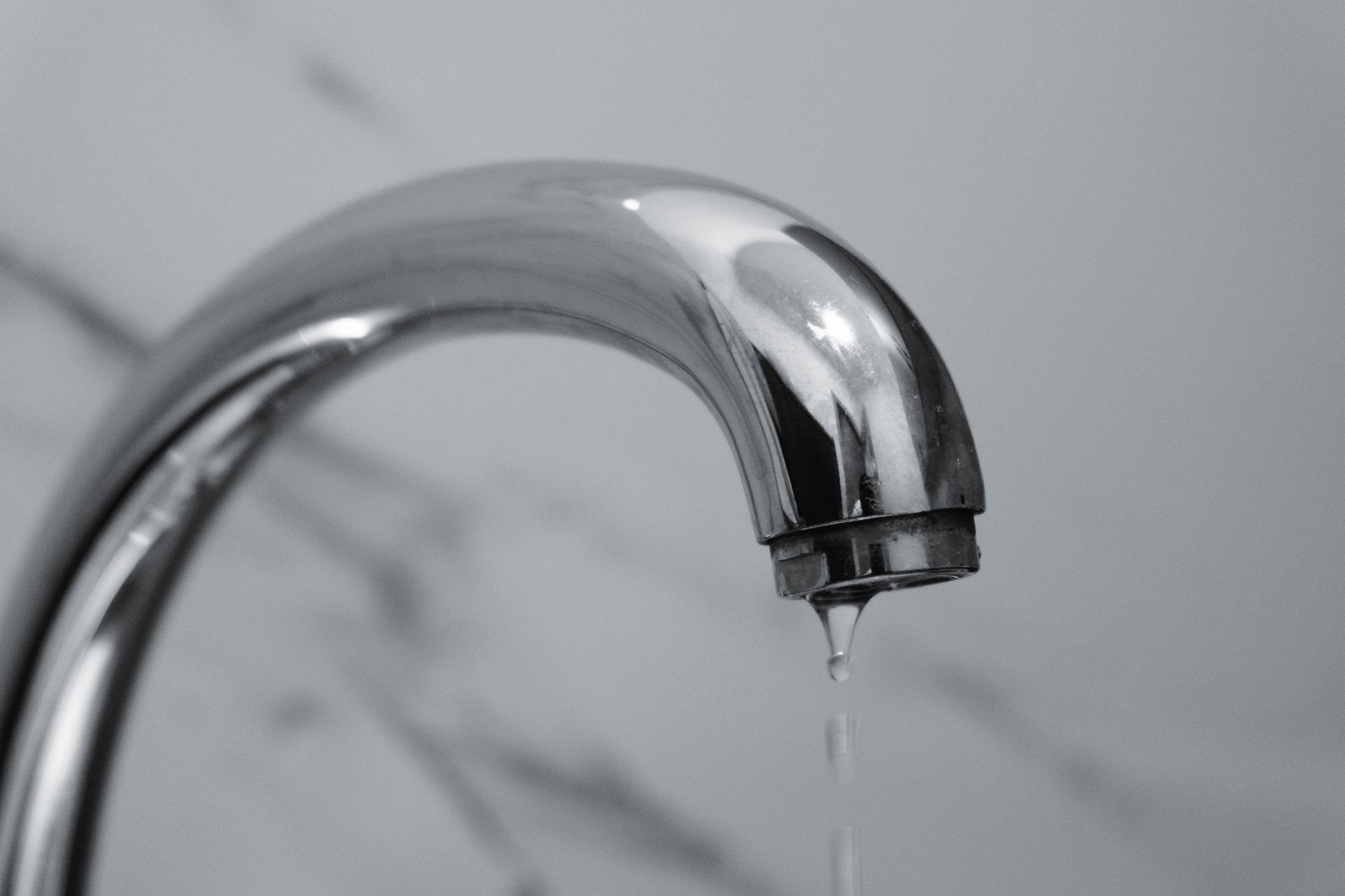
You can prevent most water damage by keeping gutters clear, fixing leaks fast, grading soil away from the foundation, maintaining plumbing and appliance hoses, and controlling indoor humidity. In rainy, low-lying New Orleans, knowing your main shut-off valve and acting within the first day of any leak is the single best way to stop a small problem from becoming a costly one.
At Big Easy Remediation, we have seen how fast a small drip turns into a soaked floor in our wet, low-lying city. A little water damage prevention goes a long way toward keeping your home dry and your repair bills small.
Water damage rarely announces itself, and by the time you notice a stain or a warped board, the moisture has often spread. The good news is that most of it is preventable with a few simple habits and regular checks.
This guide walks you through the most effective ways to protect your home, inside and out, before water ever becomes a problem. Contact us today to schedule a professional assessment if you suspect any hidden moisture or past water trouble.
How Can You Prevent Water Damage at Home?
The most reliable way to prevent water damage is to control where water goes and to catch leaks early. That means keeping gutters clear, grading soil away from the foundation, maintaining plumbing and appliances, and managing indoor humidity year-round.
In New Orleans, prevention carries extra weight because our heavy rains, high water table, and frequent storms give moisture more chances to get inside. A home that stays dry through one rainy season still needs the same steady upkeep the next. Small, consistent maintenance almost always costs less than a single major cleanup.
The habits that protect your home are not complicated, and most take only a few minutes each season. The hardest part is simply remembering to check, which is why a set routine matters so much in a climate as wet as ours.
How Do You Protect Your Home From Outside Water?
Most water problems start at the exterior, where rain, runoff, and poor drainage meet your roof and foundation. Strengthening these outer defenses is the first line of protection for any local home.
Keep Gutters and Downspouts Clear
Clogged gutters send rainwater spilling over the edge, where it can soak your siding, fascia, and foundation. In our heavy storm season, even a single afternoon downpour can overwhelm a blocked gutter and pool water right against the house.
Clean your gutters at least twice a year, and more often if you have nearby trees dropping leaves. Make sure downspouts carry water several feet away from the foundation rather than dumping it at the base of the wall.
Inspect Your Roof Regularly
Your roof takes the full force of every storm, so small problems there quickly become big ones below. Missing shingles, cracked flashing, and worn seals all let water slip into the attic and walls.
Check the roof after major storms and at least once or twice a year. Catching a loose shingle or a tired seal early is far simpler than repairing the water-stained ceiling it eventually causes.
Grade Soil Away From the Foundation
When the ground slopes toward your home, rain naturally drains toward the foundation instead of away from it. Over time that pooling water seeps into crawl spaces, slabs, and lower walls.
Make sure the soil around your home slopes gently outward in every direction. In areas with poor drainage, a French drain or similar solution can redirect runoff before it reaches the foundation.
Stopping Water Damage From the Inside
Even a well-sealed exterior cannot prevent leaks that start within your walls and appliances. Indoor maintenance is just as important as keeping the rain out, especially in older New Orleans homes with aging pipes.
Maintain Your Plumbing
Pipes, faucets, and supply lines wear down slowly, and a small drip today can become a burst line later. Watch for damp cabinet floors, low water pressure, and water stains that signal a hidden leak.
Inspect visible plumbing a few times a year, and repair any leak as soon as you spot it. Fixing a worn washer or a loose connection early prevents the slow, hidden damage that often goes unnoticed until it is severe.
Check Appliance Hoses and Connections
Washing machines, dishwashers, and refrigerators all rely on hoses that crack, kink, and loosen with age. A failed hose can release a surprising amount of water in a short time, especially while you are away from home.
Examine these connections once or twice a year and replace any hose that looks brittle or worn. When an appliance reaches the end of its lifespan, replacing it before it fails saves you from a sudden flood and the cleanup that follows.
Control Indoor Humidity
Our climate keeps indoor air damp, and that lingering moisture quietly feeds water damage and mold alike. Bathrooms, kitchens, and laundry rooms are the usual trouble spots.
Run a dehumidifier in damp areas and use exhaust fans to vent moisture while you cook, shower, and do laundry. Keeping indoor humidity in check protects your surfaces and makes any future leak far easier to spot.
A Simple Year-Round Prevention Checklist
Staying ahead of water damage is easier when you know how often to check each part of your home. The table below pairs the most important tasks with a sensible schedule and the reason each one matters.
| Prevention Task | How Often | Why It Matters |
|---|---|---|
| Clean gutters and downspouts | Twice a year, more in fall | Keeps rain from pooling at the foundation |
| Inspect roof and flashing | Yearly and after storms | Stops leaks before they reach the attic |
| Check appliance hoses | Once or twice a year | Prevents sudden floods from failed lines |
| Test the main shut-off valve | Once a year | Lets you stop a leak fast in an emergency |
A short, regular routine like this catches small issues while they are still cheap to fix, and it gives you a clear record of when each part of your home was last checked. Posting the list somewhere visible, like inside a utility closet, makes it far more likely the whole household keeps up with it. We handle both residential water damage restoration and commercial water damage restoration when prevention is not enough, and we always treat the moisture source so the problem does not return.
Why Do New Orleans Homes Face Greater Water Risk?
Few places challenge a home the way southeast Louisiana does. Our high water table, heavy seasonal rain, and storm surge all push moisture toward homes that already sit low to the ground.
Older local homes add to the risk, with original wood, plaster, and tight floor plans that hold water once it gets in. Several conditions make our area especially prone to water damage:
- Frequent heavy rain that overwhelms gutters and drainage in minutes
- A high water table that keeps soil and crawl spaces damp
- Hurricane and storm season that can soak walls, floors, and insulation
- Aging housing stock built from materials that absorb and trap moisture
Each of these gives water an easier path inside, which is why local homes benefit from steadier upkeep than a one-size-fits-all checklist would suggest.
Be Ready Before Water Damage Strikes
Even careful homeowners can face a sudden leak, so a little preparation makes a real difference when minutes matter. Knowing your home and having a few basics on hand keeps a small emergency from spiraling.
The single most important step is locating your main water shut-off valve and making sure everyone in the home can turn it off. Beyond that, a few simple supplies help you respond fast:
- A wet/dry vacuum to pull standing water off floors and carpet quickly
- Fans and a dehumidifier to dry out a damp room before mold can start
- A sump pump if your home is prone to flooding or pooling
- A clear plan for who shuts off the water and who calls for help
When damage spreads beyond what these tools can handle, calling a professional early keeps the situation from getting worse. Fast, thorough drying is what separates a minor scare from a major repair.
It also helps to keep important documents and valuables off the floor in flood-prone rooms. A little planning before storm season means you react calmly instead of scrambling when water is already on the floor.
How Fast Should You Act After Water Damage?
When water gets in, the clock starts right away, because lingering moisture leads to mold within 24 to 48 hours. Acting in the first hours gives you the best chance of saving floors, drywall, and belongings.
Stop the water source if you safely can, then begin removing standing water and drying the area immediately. The longer materials stay wet, the deeper the damage goes and the more likely mold becomes.
In our humid climate, even a small amount of trapped water can keep surfaces damp long enough for problems to take hold. That is why we urge homeowners to treat any water intrusion as urgent rather than waiting to see how it dries on its own.
Hidden moisture is the part most people underestimate. When damage reaches concealed spaces, professional drying equipment finds and removes the moisture that ordinary fans and towels never reach.
Stay Ahead of Water Damage Before It Starts
A dry home is far easier to maintain than a damaged one is to repair, and prevention costs a fraction of a major cleanup. By keeping water out and catching leaks early, you protect both your property and your finances.
If you have already spotted moisture, a past leak, or storm damage, the safest next step is a professional assessment. Call us today and let Big Easy Remediation help keep your New Orleans home dry, sound, and protected season after season.
Common Questions
Frequently Asked Questions About Water Damage Prevention
What is the most common cause of water damage in homes?
Plumbing leaks, failed appliance hoses, roof leaks, and poor drainage cause most home water damage. In New Orleans, heavy rain and a high water table add flooding and foundation seepage to that list, so steady maintenance and good drainage matter even more here.
How often should I check my home for water damage?
Inspect plumbing, appliance hoses, and your roof at least once or twice a year, and clean gutters twice annually. After any major storm, check your roof, attic, and foundation for new leaks or moisture so you catch problems while repairs are still small.
Where is my main water shut-off valve?
The main shut-off is usually near where the water line enters your home, often along an exterior wall, in a utility area, or near the water meter. Locate it before an emergency and make sure everyone in the home knows how to close it quickly.
Can I prevent water damage from storms and flooding?
You cannot stop the weather, but you can reduce the risk. Keep gutters clear, grade soil away from the foundation, seal gaps, and keep a sump pump and wet/dry vacuum ready so you can respond fast when water tries to get in.
How quickly does water damage lead to mold?
Mold can begin growing within 24 to 48 hours of water exposure, and our humid climate speeds that along. The faster you remove standing water and dry the area, the better your chance of stopping mold before it takes hold.
Should I handle water damage myself or call a professional?
Small spills you can dry quickly are often manageable on your own. For widespread water, soaked drywall or carpet, or any damage you cannot fully dry within a day, a professional has the equipment to dry hidden moisture and prevent lasting problems.
Does homeowners insurance cover water damage?
Coverage depends on your policy and the cause, since sudden leaks are often treated differently than gradual ones or flooding. Review your policy, document any damage with photos, and contact your insurer early so you understand what your plan covers.
How much does professional water damage restoration cost?
Cost depends on how far the water spread, which materials it reached, and whether the moisture source still needs repair. Because every home is different, we provide a free, no-obligation estimate after assessing the damage so you know exactly what to expect.
Need restoration help in New Orleans?
Same-day response to water, mold, fire, and cleaning emergencies across Greater New Orleans, with a written scope before any work begins.