
Mold Removal vs. Mold Remediation: What Is the Difference?
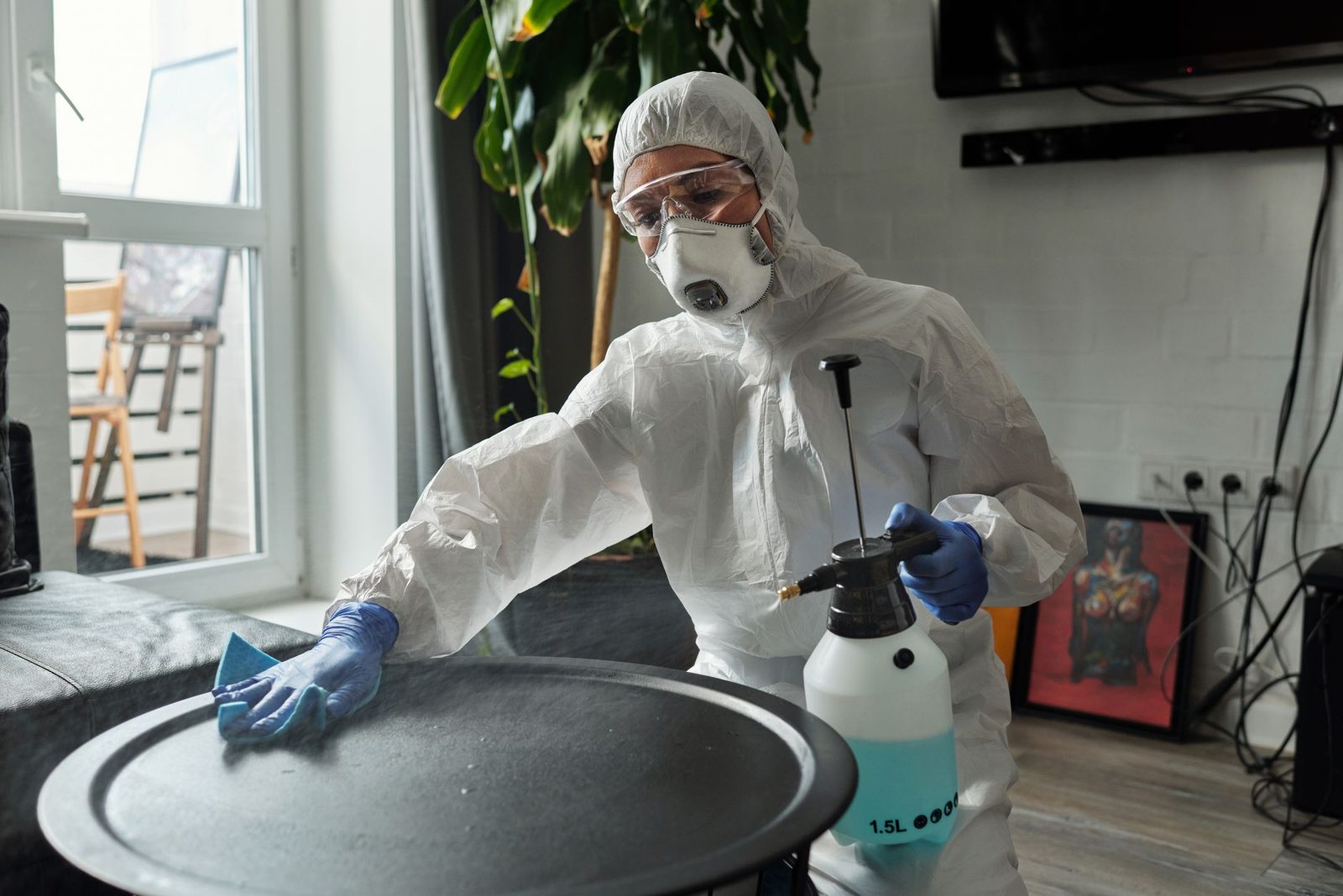
Mold removal and mold remediation are not the same thing. Removal describes the physical act of taking visible mold off a surface. Remediation is the complete, industry-standard process: finding the moisture source, containing the area, removing contaminated materials, cleaning to a normal fungal level, and drying everything out. In a humid place like New Orleans, remediation is what actually prevents regrowth.
People use “mold removal” and “mold remediation” as if they mean the same thing, but they do not. At Big Easy Remediation, the difference is the reason mold either stays gone or comes right back.
One focuses on wiping away what you can see, and the other fixes why the mold was there in the first place. Knowing which your home actually needs protects your money and your health.
Here is a clear breakdown of the two and why it matters. Contact us today if you are weighing your options.
What “Mold Removal” Usually Means
Mold removal typically refers to physically taking away visible mold from a surface. On its own, that often means wiping, scrubbing, or applying a cleaner to the spot you can see. It can make a wall look clean for a while, but it does nothing about the moisture that caused the growth or the spores that have already spread. Removal alone treats the symptom, not the cause.
What Mold Remediation Actually Involves
Remediation is the full process of returning your home to a safe condition. It starts by identifying and correcting the moisture source, then containing the area so spores do not spread during the work. We use HEPA filtration to capture airborne spores, remove materials that cannot be saved, treat the affected surfaces, and finish with a written clearance report. The goal is not just a clean-looking wall, but a home where the conditions for mold no longer exist.
The Key Difference: Addressing the Source
This is the heart of it. Mold is a moisture problem before it is a surface problem, so any approach that ignores the water is temporary by design. Remediation finds and fixes the leak, the condensation, or the trapped moisture feeding the growth. Without that step, you are cleaning the same spot again in a few months.
Why Removal Only Lets Mold Come Back
When mold returns after a cleaning, it is almost always because the moisture source was never addressed and hidden growth was left behind. Surface cleaning also risks disturbing the colony and sending spores into the air, where they settle and start new growth elsewhere. In our humid climate, an untreated source means the mold has everything it needs to return quickly. That is why we treat the water issue with the same care we bring to water damage restoration.
Which One Does Your Home Need
Here is a simple way to compare the two approaches.
| Mold Removal Only | Mold Remediation | |
|---|---|---|
| Focus | Visible surface mold | The whole problem, source included |
| Moisture source | Not addressed | Found and corrected |
| Spore control | Limited | Containment and HEPA filtration |
| Result | Often returns | Built to stay gone |
Get Your Mold Problem Handled Right
Removal makes a wall look clean, but remediation makes the problem go away for good. The difference is whether anyone fixed the moisture that started it all.
Big Easy Remediation does full remediation, source and all, so the mold does not come back. Call us today to get a written scope for your home.
Common Questions
Frequently Asked Questions About Mold Removal and Remediation
Is there really a difference between mold removal and remediation?
Yes. Removal focuses on the visible mold, while remediation fixes the moisture source, contains the area, and returns the home to a safe condition with a clearance report.
Why does my mold keep coming back after cleaning?
Because the moisture feeding it was never fixed and hidden growth was likely left behind. Remediation addresses the source, which is what keeps mold from returning.
Can I just remove mold myself with a cleaner?
A small surface spot on a non-porous surface can sometimes be cleaned, but anything inside walls or across a large area needs containment and source correction to be safe and lasting.
Does remediation always mean tearing out walls?
No. We test and inspect first, and remove only what the situation requires. Often, source correction and treatment handle the problem without major demolition.
What is a clearance report?
It is written documentation that the remediation was completed and the area was returned to a safe condition. It is useful for your records, your insurer, and any future home sale.
How long does mold remediation take?
It depends on the size of the affected area and how deep the growth goes. We give you a written scope with the expected timeline before any work begins.
Will remediation get rid of the musty smell?
Yes, when the source and hidden growth are addressed. A musty smell that returns usually means the moisture problem was never fully corrected.
Does Big Easy Remediation handle full remediation?
Yes. We provide complete remediation, from finding the moisture source to containment, HEPA filtration, and a written clearance report.
Need restoration help in New Orleans?
Same-day response to water, mold, fire, and cleaning emergencies across Greater New Orleans, with a written scope before any work begins.