
The Impact of Fire and Smoke Damage on Your New Orleans Property
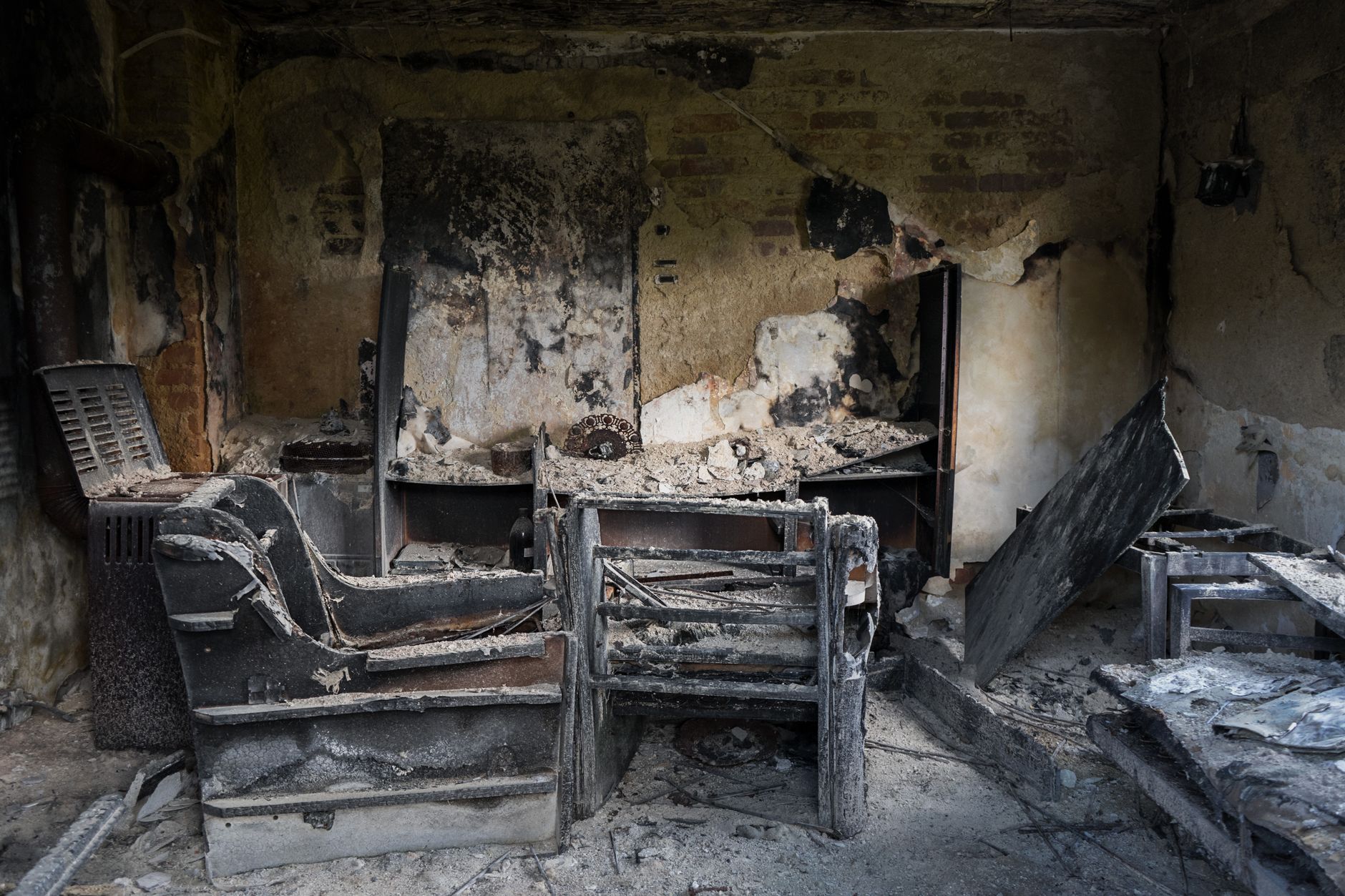
Fire and smoke damage reaches far beyond what the flames touch. Soot and smoke seep into walls, ducts, and belongings, acidic residue keeps corroding metal and finishes for days, and lingering odors and hidden moisture invite mold. In humid New Orleans, acting fast and calling a professional restoration team is the surest way to limit loss and protect your property.
At Big Easy Remediation, we see how a single fire reaches into every corner of a home long after the flames are out. The visible char is only the beginning, because smoke, soot, and the water used to fight the fire all leave their own lasting mark.
Many New Orleans homeowners are surprised by how far the damage travels through walls, ducts, and personal belongings. Understanding that full picture is the first step toward a recovery that actually restores your property rather than masking the problem.
This guide walks through how fire and smoke damage affects your home and why a fast, professional response matters so much in our climate. Contact us today to schedule an assessment and start protecting your property before the damage settles in for good.
What Is the Real Impact of Fire and Smoke Damage?
Fire and smoke damage hits a property on several fronts at once, not just where the flames burned. Heat weakens structural materials, smoke and soot coat surfaces and seep into porous materials, and firefighting water soaks into floors and walls. Each of these layers needs its own response.
What many homeowners miss is how active the damage stays after the fire is out, since acidic soot keeps etching glass, corroding metal, and staining finishes for days if it is not removed properly. In our warm, humid climate, leftover moisture from firefighting can also feed mold within a short window, which is why we treat the hours and days after a fire as a critical window for limiting the total loss.
How Do Smoke and Soot Spread Through Your Home?
Smoke does not stay in the room where the fire started. It travels on air currents and through your heating and cooling system, carrying soot and odor into spaces that never saw a flame. By the time the fire is out, residue can coat surfaces in rooms across the entire home.
This spread is what makes professional cleanup so important after even a contained fire. Soot settles into porous materials, slips behind walls, and collects inside ductwork where a quick wipe-down can never reach. Left in place, that hidden residue keeps releasing odor and irritants into the air for weeks.
Smoke and soot tend to settle first in these spots:
- Walls and ceilings, where soot clings and stains painted surfaces
- Air ducts and the HVAC system, which then recirculate residue room to room
- Soft furnishings, including upholstery, curtains, carpet, and clothing
- Cabinets, drawers, and closets, where odor and film build up out of sight
- Electronics and appliances, where acidic soot can corrode internal parts
What Are the Different Types of Smoke Damage?
Not all smoke leaves the same kind of damage, and the type changes how a property has to be cleaned. Knowing what you are dealing with helps explain why a single cleaning method rarely works on an entire home.
Dry Smoke Residue
Fast, high-temperature fires tend to produce dry smoke, which leaves a powdery residue that smears easily if handled the wrong way. It often works its way into cracks and crevices, settling in places that are difficult to reach without the right tools.
Because the residue is fine and dry, it can spread further than you expect through a home. Cleaning it calls for careful technique, since wiping it incorrectly only grinds the soot deeper into the surface.
Wet Smoke Residue
Slow, smoldering fires create wet smoke, a thick, sticky film with a strong, stubborn odor. It smears badly and bonds tightly to surfaces, making it one of the harder types to remove.
This residue tends to coat walls, finishes, and belongings in a greasy film that resists ordinary cleaning. Removing it without smearing or staining the surface underneath usually takes professional equipment and methods.
Protein and Soot Residue
Kitchen fires often leave a nearly invisible protein residue that carries an intense, lingering smell even when little is visible. It can discolor paint and finishes over time and is easy to overlook during a quick cleanup.
Soot residue from burned synthetics and other materials adds another layer, settling across surfaces and inside the air system. Each type behaves differently, which is why we identify the residue first and match the cleaning approach to what we find.
How Does Fire Damage Affect Your Home’s Structure?
Beyond the smoke, intense heat changes the materials that hold your home together. Wood framing can char and lose strength, drywall can crumble, and metal fasteners and supports can warp or weaken under high temperatures.
In many older New Orleans homes, original wood framing, plaster, and tight floor plans add to the challenge, since heat and moisture travel easily through aging materials. What looks like surface scorching can hide deeper structural weakness behind the wall or above the ceiling. A careful assessment is the only reliable way to tell cosmetic damage from a genuine safety concern.
The water used to put out the fire compounds the problem. Soaked subfloors, insulation, and wall cavities can stay wet for days, weakening the structure further and creating the damp conditions mold needs. Addressing both the fire and the water damage together is the only way to fully protect the structure.
Why Does Smoke Odor Keep Coming Back?
One of the most frustrating parts of fire damage is the smell that refuses to leave. Smoke odor soaks deep into drywall, carpet, upholstery, and wood fibers, and it can keep resurfacing long after the visible cleanup is done.
Surface sprays and air fresheners only cover the smell for a short time, because the odor source is still trapped inside the materials. Real odor removal means addressing the residue at its source and treating the air, the surfaces, and the items that absorbed the smoke. Until that happens, the smell tends to return whenever humidity rises, which in our climate is often.
Why Fast Action Matters After a Fire
The damage from a fire does not pause once the flames are out, which is exactly why speed matters so much. Acidic soot keeps corroding and staining surfaces, and damp materials keep inviting mold with every passing hour.
Below is a quick look at how the damage progresses when a fire goes untreated, and why each stage raises the stakes.
| Time After the Fire | What Happens | Why It Matters |
|---|---|---|
| First few hours | Soot settles and acidic residue begins etching surfaces | Early cleanup prevents permanent staining and corrosion |
| First day or two | Trapped firefighting water keeps soaking materials | Mold can begin growing in the damp conditions |
| First week | Odor embeds deeper and metals continue corroding | Restoration becomes more involved and costly |
| Beyond a week | Structural materials and finishes degrade further | More items may be lost beyond saving |
Acting quickly keeps the work focused on cleanup and restoration rather than full replacement. The sooner the property is assessed and stabilized, the more of it we can save.
How Fire and Smoke Damage Affects Your Belongings
Your possessions often take the damage hardest, because soft and porous items absorb smoke and soot so readily. Furniture, clothing, bedding, documents, and electronics can all be affected even if the flames never reached them.
Some items can be cleaned and restored, while others may be too far gone to save. Electronics are especially vulnerable, since acidic soot can settle inside and corrode components long after the fire. Sorting salvageable items from total losses early helps protect what can still be recovered and gives you a clearer picture for any insurance claim.
The key with belongings is to avoid handling them carelessly in the meantime. Wiping soot off the wrong surface or stacking smoke-damaged items together can spread the residue and cause more harm. A professional team knows which items respond to cleaning and which need specialized treatment.
Why Professional Restoration Beats a DIY Cleanup
After a fire, the instinct to start scrubbing right away is understandable, but it often causes more harm than good. Soot smears, odor spreads, and improper cleaning can drive residue permanently into surfaces that might otherwise have been saved.
Professional restoration takes a structured approach instead. We assess the full extent of the damage, address the firefighting water and any mold risk, clean and deodorize with the right methods for each residue type, and restore what can be saved. Because fire so often brings water and mold with it, you can also rely on our professional fire and smoke damage restoration team to coordinate the cleanup from start to finish.
That coordinated process is what separates a real recovery from a temporary patch. Pairing fire work with our air duct and HVAC cleaning clears the residue your system has been recirculating, so the air in your home is part of the restoration, not an afterthought.
What to Do in the First Hours After a Fire
The choices you make right after a fire shape how much of your property can be saved. A few careful steps protect both your safety and your home while you wait for a professional assessment.
- Wait for the all-clear. Do not re-enter until fire officials confirm the structure is safe.
- Avoid touching soot-covered surfaces. Handling them can grind residue in and cause permanent staining.
- Keep the air system off. Running the HVAC spreads soot and odor into clean rooms.
- Document everything. Photograph the damage for your insurance claim before anything is moved.
- Call a professional team. A trained crew stabilizes the property and begins cleanup before the damage worsens.
Following these steps in the first hours limits the spread of damage and keeps more of your property recoverable. From there, a professional assessment maps out the full scope of the work.
Restore Your Property the Right Way
Fire and smoke damage rarely stays where it starts, and every hour it goes untreated lets soot, odor, and moisture dig in deeper. Acting quickly with the right team is the difference between a manageable restoration and a far larger loss.
If your New Orleans home has been touched by fire, the safest next step is a professional assessment without delay. Call us today and let Big Easy Remediation restore your property and bring your home safely back to life.
Common Questions
Frequently Asked Questions About Fire and Smoke Damage
Is smoke damage really that serious if the fire was small?
Yes, even a small fire can cause widespread smoke damage. Smoke and soot travel through the air and the HVAC system into rooms far from the flames, coating surfaces, settling into porous materials, and leaving odors that linger long after the fire is out.
How quickly should I act after fire and smoke damage?
You should act as quickly as possible, ideally within the first hours. Acidic soot begins etching and staining surfaces almost immediately, and firefighting water can invite mold within a day or two, so a fast professional response limits how much of your property is permanently damaged.
Can I clean smoke and soot off the walls myself?
Cleaning soot yourself usually does more harm than good. Soot smears easily and grinds into porous surfaces when wiped incorrectly, causing permanent staining. Different residue types also need different methods, which is why professional cleaning protects more of your home.
Why does the smoke smell keep coming back?
The smell returns because smoke odor embeds itself deep in porous materials like drywall, carpet, and upholstery. Air fresheners only mask it temporarily. True odor removal treats the residue at its source, and in humid weather the smell tends to resurface until that is done.
Does fire damage always come with water damage?
Fire damage very often includes water damage, since firefighting uses large amounts of water. That water soaks into floors, walls, and insulation and can stay trapped for days, weakening materials and creating the damp conditions mold needs to grow.
Can my belongings be saved after a fire?
Many belongings can be saved, though it depends on the material and the extent of exposure. Some items respond well to professional cleaning, while heavily damaged or porous items may be lost. Sorting them early protects what is recoverable and supports your insurance claim.
How much does fire and smoke damage restoration cost?
The cost depends on the size of the fire, how far the smoke and soot spread, the materials affected, and whether water and mold are also involved. Because every property is different, we provide a free, no-obligation estimate after assessing your home so you know what to expect.
Why is fire damage harder to handle in New Orleans homes?
Our humidity and older housing stock add to the challenge. Damp conditions after firefighting can quickly invite mold, and original wood and plaster in many local homes let heat and moisture travel further, so fire damage here often needs faster, more thorough attention.
Need restoration help in New Orleans?
Same-day response to water, mold, fire, and cleaning emergencies across Greater New Orleans, with a written scope before any work begins.