
How to Clean Your Carpets at Home
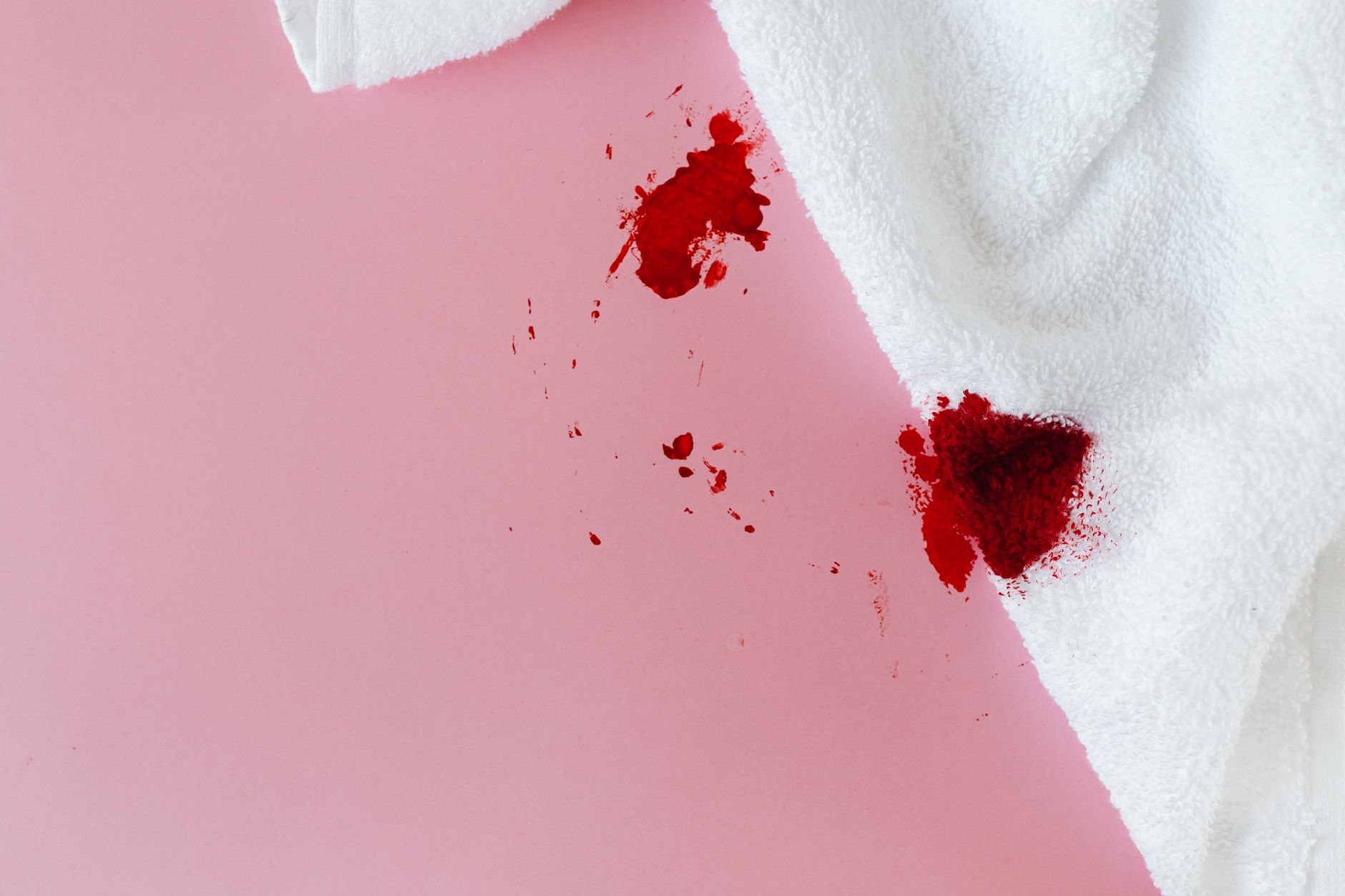
Cleaning your carpets at home starts with a thorough vacuum, then spot-treating stains with a carpet-safe solution, blotting rather than scrubbing, and drying the fibers fast so moisture cannot settle. In humid New Orleans, quick and complete drying matters most, since damp carpet can grow mold within a day or two. Regular maintenance keeps your carpets fresh and protects the air inside your home.
At Big Easy Remediation, we know a clean carpet does more than look good in your New Orleans home. It holds dust, allergens, and moisture out of your living space, which matters even more in our warm, humid climate.
Most homeowners can handle routine carpet care on their own with the right tools and a simple routine. The trick is knowing the correct steps, avoiding the common mistakes, and recognizing when a stain or odor has moved beyond a home fix.
This guide walks you through cleaning your carpets at home from start to finish, including drying, maintenance, and when to call in a professional. Contact us today to schedule expert help whenever a deep clean or water issue is more than you want to tackle alone.
What Is the Best Way to Clean Carpets at Home?
The best way to clean carpets at home is to vacuum thoroughly first, treat stains with a carpet-safe solution, blot rather than scrub, and then dry the fibers as quickly as possible. Working in that order lifts loose dirt before it gets ground in and keeps moisture from settling deep in the backing.
In a city this humid, drying is the step that matters most, because damp carpet in a warm room is an open invitation for mold and mildew. A carpet that looks clean but stays wet underneath can turn into a bigger problem than the stain you started with. Taking your time on each step protects both the look of the carpet and the air quality in your home.
Tools and Supplies for Home Carpet Cleaning
Before you start, it helps to have everything within reach so you are not searching mid-clean. A little preparation makes the whole job faster and far less frustrating.
A few basics cover most home carpet cleaning:
- A quality vacuum cleaner that pulls dirt and debris from deep in the fibers, not just the surface
- A carpet-safe cleaning solution matched to your carpet type and the stains you are facing
- A bucket of clean water for rinsing and diluting as needed
- A soft scrub brush or sponge for working solution into stained spots
- Several clean, dry towels or microfiber cloths for blotting and lifting moisture
Reading the label on any cleaning product is worth the extra minute, since the wrong formula can discolor or weaken certain fibers. Natural and store-bought options both work, as long as they suit your specific carpet. Having dry towels ready is especially important here, because pulling moisture out fast is what keeps a clean carpet from staying damp.
Preparing the Room Before You Clean
Clear the room before any solution touches the floor, because prepping the space first lets you clean every inch without working around obstacles. A few minutes of setup here saves you from awkward angles and missed spots later.
Begin by removing furniture and loose items from the carpeted area so you have room to move and nothing gets in the way. Anything too heavy to move can be lifted onto small protective blocks or covered to keep it away from moisture. This also prevents accidental water marks or solution stains on furniture legs and fabric.
Next, vacuum the entire area slowly and in several directions to lift as much dry dirt as possible. High-traffic lanes, doorways, and spots where spills tend to happen deserve a few extra passes. If you have pets, a pet-hair tool or rubber-edged attachment pulls embedded fur that a standard vacuum often misses. Removing this dry debris first lets your cleaning solution reach the fibers instead of turning loose dirt into mud.
Choosing the Right Cleaning Solution
Picking the right solution comes down to three things: your carpet type, how dirty it is, and who lives in your home. Matching the product to those factors protects your carpet and gets better results.
Delicate fibers like wool need a gentler, specialty formula, while sturdier synthetic carpets handle stronger cleaners. Heavily soiled or high-traffic carpet usually calls for a more powerful product, whereas light, routine cleaning needs far less. If anyone in your household has allergies or sensitivities, a hypoallergenic or low-chemical option is the safer choice.
Knowing your fiber type narrows the field quickly, since each one responds differently to moisture and cleaning agents:
- Wool, a natural fiber that is soft but sensitive, calls for pH-neutral cleaners and the least water possible
- Nylon, the most common synthetic, is durable and stain-resistant and tolerates most general-purpose carpet solutions
- Olefin (polypropylene), often used in basements and high-traffic areas, resists moisture but can attract oily residue, so a light touch works best
- Polyester, prized for color and softness, cleans well with mild solutions but holds onto oil-based stains if over-wetted
You can use a store-bought carpet cleaner or mix a gentle homemade solution, and both can work well for everyday messes. Whatever you choose, always test it first on a small, hidden patch of carpet to confirm it will not discolor or damage the fibers. That quick test takes a minute and saves you from a mistake that is hard to undo.
How to Apply Solution and Lift Stains
Work the solution in slowly and deliberately, since careful application is what turns a stubborn stain into a clean spot. The goal is to lift the stain, not push it deeper or soak the backing.
Start by mixing or preparing the solution exactly as the label directs, since too much product can leave a sticky residue that attracts dirt later. Apply it to the stained area with a cloth or sponge and work it in gently with a light, circular motion. Let it sit for a few minutes so it can break down the stain rather than just smearing it.
Then, using a clean, damp cloth, press the spot from the outside toward the center and keep switching to a dry section of the towel as it lifts color. Blotting matters far more than scrubbing, because aggressive scrubbing frays the fibers and spreads the stain outward. Repeat the process patiently until the area comes clean, and avoid over-wetting the carpet at any point.
Common Carpet Cleaning Mistakes to Avoid
Even with good intentions, a few habits can leave carpets dirtier, damaged, or damp enough to cause trouble later. Knowing what to skip is just as useful as knowing what to do.
The most frequent mistakes we see include:
- Soaking the carpet, which pushes moisture into the backing and pad where it is slow to dry
- Scrubbing hard at a stain, which frays fibers and spreads it wider instead of lifting it
- Skipping the patch test, which risks discoloring the carpet with the wrong product
- Using too much solution, which leaves a sticky residue that grabs new dirt fast
- Letting the carpet stay wet, which traps moisture in the pad and breeds a musty smell in our humid air
Avoiding these missteps protects both the carpet and the room around it. In a city as humid as New Orleans, over-wetting is the mistake that most often turns a simple cleaning into a moisture problem. When in doubt, use less water and dry faster.
Drying Your Carpets Quickly and Completely
Drying is the step that gets skipped most often, and in our climate it is the one that matters most. A carpet left damp underneath can grow mold and mildew within a day or two, long before you would ever see it.
To dry carpets fast, open windows and doors for airflow, run ceiling or box fans across the surface, and use a dehumidifier or your air conditioning to pull humidity out of the room. The faster you remove moisture, the less chance mold has to take hold in the fibers or the pad beneath them. Pressing dry towels into damp spots helps lift water that fans alone leave behind.
Keep foot traffic off the carpet until it is completely dry to the touch, including the layer underneath. In a humid New Orleans summer this can take longer than you expect, so it is worth checking again a few hours later. A carpet that feels cool or damp is still holding moisture and needs more drying time.
Carpet Maintenance Schedule for New Orleans Homes
Set a regular rhythm of small tasks, and you cut down on how often you need a deep clean. A simple schedule also helps you catch spills and moisture before they settle in.
The table below outlines a practical maintenance rhythm for a typical home in our area.
| Task | How Often | Why It Matters |
|---|---|---|
| Vacuum high-traffic areas | Once or twice a week | Removes dirt before it grinds into the fibers |
| Spot-clean spills | Immediately | Stops stains from setting and odors from forming |
| Deep clean the whole carpet | Every few months | Refreshes fibers and clears built-up grime |
| Check for moisture after storms | After heavy rain or flooding | Catches dampness before mold can start |
Sticking to a routine like this keeps your carpets in good shape and reduces the wear that high humidity and heavy use cause over time. For a thorough refresh that reaches deeper than home tools can, our professional carpet cleaning service lifts the grime a household vacuum leaves behind.
How to Handle Carpet Odors at Home
Carpet odors usually mean something is trapped in the fibers or backing, whether that is a spill, pet accident, or lingering moisture. Treating the smell at its source works far better than masking it.
For mild odors, a sprinkle of baking soda left to sit before vacuuming can absorb a surprising amount of trapped smell. For pet accidents, an enzyme-based cleaner breaks down the residue that ordinary soap leaves behind and stops the odor from returning. Always blot up as much of any fresh spill as possible before it has a chance to soak in.
Timing makes a real difference with odors, since the longer a spill sits, the deeper it works into the backing and pad. Treat a fresh accident the same day rather than waiting for the surface to dry, and resist the urge to mask the smell with sprays that only sit on top of the problem. A quick first response often saves you from a stubborn odor that takes far more effort to clear later.
When a musty smell keeps coming back no matter how often you clean, the cause is often moisture deep in the pad or a hidden issue beneath the carpet. That kind of stubborn odor is a sign the problem runs deeper than the surface. Our professional odor removal service targets the source so the smell does not simply return after a week or two.
When Carpet Cleaning Becomes a Job for Professionals
Home cleaning handles everyday dirt and small spills well, but some situations call for trained help and proper equipment. Knowing the line keeps a small issue from turning into a costly one.
A few clear signs point to professional help: carpet that has been soaked by flooding or a leak, stains that keep reappearing after several attempts, a musty smell that will not clear, or visible mold along the edges and backing. Water-damaged carpet in particular is risky to treat on your own, because moisture trapped in the pad can feed mold you never see. In those cases, fast and thorough drying by a trained crew protects both the carpet and the room.
If your carpet has taken on water or developed a sanitation concern, our deep sanitation cleaning service restores the space safely and addresses what a home rinse cannot reach. Acting early here saves both money and the carpet itself.
Keep Your Carpets Clean and Your Home Healthy
Regular carpet care is one of the simplest ways to protect both the look of your home and the air your family breathes. A steady routine of vacuuming, quick spill cleanup, and fast drying handles most of what daily life throws at your floors.
When a stain, odor, or water issue goes beyond what home tools can fix, bringing in trained help is the surest way to protect your carpet and your home. Call us today and let Big Easy Remediation keep your New Orleans carpets fresh, dry, and healthy.
Common Questions
Frequently Asked Questions About Home Carpet Cleaning
How often should I clean my carpets at home?
Vacuum high-traffic areas once or twice a week and spot-clean spills as they happen. A deeper clean every few months keeps the fibers clean and odor-free, and in humid New Orleans you should also check for dampness after any heavy rain or flooding.
Can I clean my carpets without a machine?
Yes, you can clean most everyday stains by hand with a carpet-safe solution, a soft brush, and clean towels for blotting. The key is to avoid over-wetting the carpet and to dry it quickly so moisture does not settle into the backing.
Why do my carpets still smell after cleaning?
A lingering smell usually means moisture or residue is trapped deep in the pad or backing where surface cleaning cannot reach. Baking soda and enzyme cleaners help with mild cases, but a persistent musty odor often points to a deeper moisture problem worth inspecting.
Is it bad to scrub carpet stains?
Scrubbing hard tends to fray the fibers and push the stain wider instead of lifting it. Blotting gently from the outside of the stain toward the center, while switching to a dry section of cloth, removes far more without damaging the carpet.
How long does carpet take to dry after cleaning?
Drying time depends on how much moisture was used and how humid the room is, and it often runs longer in our climate. Using fans, open windows, and a dehumidifier speeds things up, and you should keep foot traffic off until the carpet feels completely dry underneath.
Will damp carpet cause mold in New Orleans?
Yes, carpet that stays damp can grow mold in as little as 24 to 48 hours, and our warm, humid air makes that risk higher than in drier regions. Drying carpet quickly and completely is the single best way to keep a cleaning job from turning into a mold problem.
Can flood-damaged carpet be cleaned at home?
Flood-damaged carpet is risky to treat on your own, since moisture trapped in the pad can feed hidden mold and bacteria. Professional drying and sanitation are the safest route, because trained crews can reach and treat the layers a home rinse cannot.
What is the best homemade carpet cleaning solution?
A gentle mix of water with a little white vinegar or mild dish soap works for many everyday stains. Always test any homemade solution on a small, hidden area first, and avoid soaking the carpet so it dries fast and clean.
Need restoration help in New Orleans?
Same-day response to water, mold, fire, and cleaning emergencies across Greater New Orleans, with a written scope before any work begins.