
How Professionals Restore Fire Damaged Homes in New Orleans
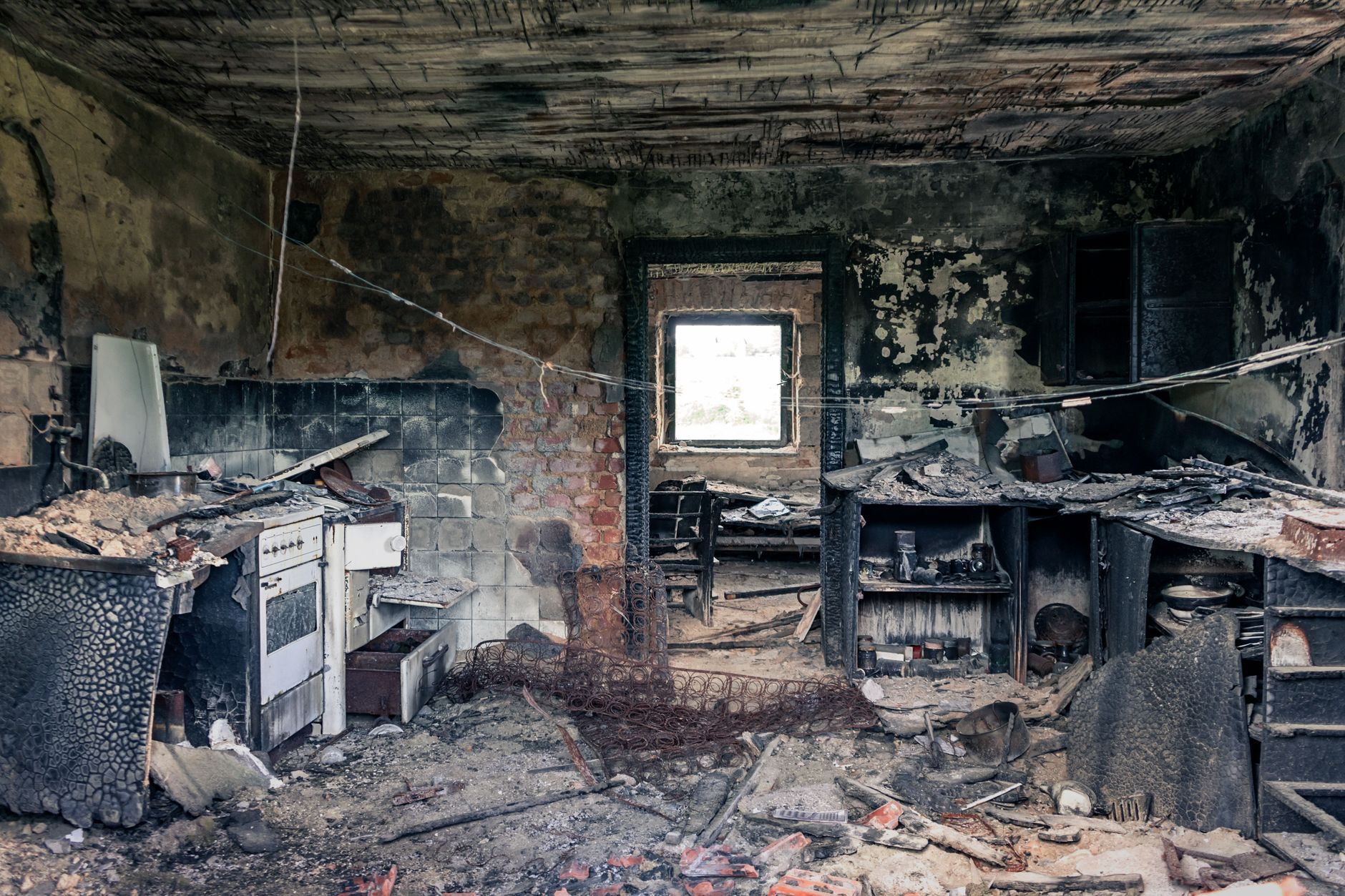
Professionals restore a fire-damaged home through a structured process: confirming the structure is safe, securing the property, removing water left from firefighting, cleaning smoke and soot, deodorizing, and rebuilding the affected areas. In humid New Orleans, fast water removal also prevents mold, which can take hold within 24 to 48 hours, making quick professional response the safest path back to a livable home.
At Big Easy Remediation, we know that the hours and days after a house fire feel overwhelming for any family. The damage you can see is only part of the problem, and the recovery takes more than a mop and fresh paint.
Fire leaves behind a layered mess of charred materials, water from firefighting, corrosive soot, and odors that settle deep into walls and ducts. Each of those problems needs to be handled in the right order, or the home is never truly restored.
This guide walks you through how professionals bring a fire-damaged New Orleans home back to life, step by step. Contact us today to schedule a damage assessment and start your recovery with a clear plan.
What Does Professional Fire Damage Restoration Involve?
Professional fire damage restoration is the full process of returning a burned home to a safe, clean, and livable condition. It covers far more than removing burned debris, because a fire affects the structure, the air, the surfaces, and the contents all at once.
The work moves through clear stages: a safety inspection, securing the property, removing water and drying the space, cleaning smoke and soot, deodorizing, and finally rebuilding. Each stage depends on the one before it, so skipping ahead almost always leaves a hidden problem behind.
In a city this damp, the drying stage carries extra weight because lingering moisture invites mold on top of the fire damage. That is why a trained crew treats the home as one connected system rather than a list of separate repairs.
What Are the First Steps After a House Fire?
The first hours after a fire are about safety and protecting whatever can still be saved. Working methodically keeps a bad situation from getting worse.
Confirming the Building Is Safe
Before anyone steps back inside, the structure has to be cleared as safe to enter. A fire can weaken framing, compromise the roof, and leave electrical hazards that are invisible from the outside.
We wait for clearance from fire officials and then assess the risks ourselves, looking for unstable beams, damaged wiring, and standing water from the hoses. Only once the home is confirmed stable do we begin the hands-on work, because no recovery is worth a safety risk.
Documenting the Damage
Thorough documentation protects you during the insurance process, so it happens early. We photograph and catalog the affected rooms, scorched materials, soot-covered belongings, and water damage before anything is moved or cleaned.
This record gives the insurance adjuster a clear picture of the loss and supports a fair claim. Good documentation often makes the difference between a smooth reimbursement and a frustrating back-and-forth later on.
Securing the Property
A fire-damaged home is exposed to weather and intruders until it is sealed up. Broken windows, burned-through walls, and open roofs all invite further damage if they are left unprotected.
We board up openings and tarp compromised roofs to keep out rain, wind, and anyone who should not be there. In a city that sees frequent storms, this step alone can prevent a second wave of water damage while the larger restoration is planned.
Why Water Removal Comes First in New Orleans
Putting out a fire takes a large amount of water, and that water soaks into floors, walls, and insulation long after the flames are gone. In our humid environment, that trapped moisture becomes its own emergency.
Standing water and saturated materials are the perfect setup for mold, which can begin growing within 24 to 48 hours of exposure. Combine that short window with our year-round humidity, and a fire-damaged home can develop a mold problem before the smoke cleanup is even finished.
So we move quickly to extract the water and dry the structure with pumps, fans, and dehumidifiers. Handling the moisture early protects the framing, prevents a separate mold remediation job, and clears the way for the rest of the restoration to proceed cleanly.
How Professionals Clean Smoke and Soot
Smoke and soot are more than a cosmetic problem, because they are corrosive and can keep damaging surfaces long after the fire is out. Different materials burn differently, so the residue they leave behind calls for different cleaning methods.
Soot settles into porous surfaces and bonds tightly, which is why ordinary wiping often smears it rather than removing it. Our crews match the method to the material and the type of residue, working from the least invasive approach toward more intensive treatment only where it is needed. The most common professional techniques include:
- HEPA vacuuming to lift loose soot and ash without grinding it deeper into surfaces
- Dry-cleaning sponges that pull soot off walls and ceilings without spreading it
- Targeted surface scrubbing for heavier residue on hard, washable materials
- Specialized treatment for contents like upholstery, fabrics, and personal belongings
Cleaning in the right sequence keeps soot from being pushed deeper into materials, which protects more of the home and reduces what has to be replaced. The goal is always to save what can be saved and only remove what is truly beyond recovery.
How Do Professionals Remove Smoke Odor After a Fire?
The smell of smoke can outlast every visible sign of a fire, lingering in drywall, insulation, carpet, and the air handling system. Masking that odor with air fresheners never works, because the source is still embedded in the materials.
Real deodorizing means neutralizing the smoke particles at their source rather than covering them up. We treat the affected surfaces, address the contents that absorbed the smell, and clean the pathways that carried the smoke through the home.
Because a fire pushes smoke into spaces you would never think to check, thorough odor removal reaches into ducts, wall cavities, and soft materials where the smell hides. Done correctly, this step is what finally makes a restored home feel like home again instead of a constant reminder of the fire.
Cleaning the Air System After a Fire
When a fire breaks out, smoke and soot travel through the home along the same paths your air moves. That means your heating and cooling system often pulls in contaminated air and spreads soot and odor into rooms far from the fire itself.
Cleaning the duct system is an easy step to overlook, yet it is often where stubborn smells and recirculating soot originate. Until the ductwork is addressed, a freshly cleaned room can pick the odor right back up every time the system runs.
Our professional air duct and HVAC cleaning clears that residue from the system so the air moving through your home is clean rather than recirculating the fire. Pairing duct cleaning with the rest of the restoration is what keeps the odor and soot from quietly returning after the visible work is done.
What Happens During the Restoration and Rebuild Stage?
Once the home is clean, dry, and free of smoke, the final stage is rebuilding what the fire destroyed. This is where the property goes from stabilized to fully restored.
Depending on the severity of the fire, this work can range from minor cosmetic repairs to replacing drywall, flooring, framing, and finishes across several rooms. Light damage may be resolved in a matter of days, while a more serious fire can take weeks or longer to fully rebuild.
Throughout this stage, the focus stays on returning the home to a safe, comfortable, and lived-in condition rather than just patching the surface. Because we handle the cleanup and the rebuild together, the transition from one phase to the next stays seamless instead of forcing you to coordinate separate crews.
What Drives the Cost of Fire Damage Restoration
The cost of restoring a fire-damaged home is rarely a single fixed number, because every fire is different. Rather than guess, it helps to understand the factors that move the price up or down so you know what an estimate is built on.
The size of the affected area, the severity of the burn, the amount of water used, and how far smoke traveled all shape the final scope. A small kitchen fire caught early is a far simpler job than a blaze that reached the framing and pushed smoke through the whole house. The table below breaks down the main factors and why each one matters.
| Cost Factor | What It Affects | Why It Matters |
|---|---|---|
| Size of the affected area | How much cleaning and rebuilding is needed | A whole-home fire costs far more than one room |
| Severity of the burn | Structural repairs versus surface cleaning | Damaged framing requires rebuilding, not just cleanup |
| Water used to extinguish | Drying time and mold prevention | Trapped moisture can add a separate remediation job |
| Smoke and soot spread | Surfaces, contents, and the air system | Far-reaching smoke widens the cleaning scope |
Because these factors vary so much from one home to the next, we provide a clear estimate after assessing your property in person. That way you understand the full scope before any work begins.
How to Choose a Fire Damage Restoration Company
Choosing the right team quickly matters, because fire damage worsens the longer it sits. A careful choice protects your safety, your property, and your wallet, so it is worth more than a fast online search.
Look for Proven Local Experience
A company that has worked in the area for years understands how local conditions affect recovery. In our region, that means knowing how humidity, storms, and older housing stock complicate a fire restoration.
Experienced crews have handled smoke damage, structural repairs, and water removal across many different homes, so they can anticipate problems before they grow. That practical knowledge keeps a complicated job moving in the right direction.
Choose a Full-Service Provider
Fire recovery touches several specialties at once, including water removal, smoke cleaning, odor control, and rebuilding. A company that handles all of it under one roof spares you from stitching together separate contractors.
We manage professional fire and smoke damage cleanup alongside the water removal and cleaning a fire demands, so every phase connects smoothly. That continuity protects both the timeline and the quality of the finished work.
Confirm Clear Communication and Process
A trustworthy restoration team explains each step and keeps you informed as the work progresses. You should never feel left in the dark about what is happening to your home.
Look for clarity on the plan, the timeline, and what to expect during the insurance process. Transparency at the start is usually a good sign of how the whole project will run.
Bring Your Home Back With a Trusted Local Team
Recovering from a fire is one of the hardest things a family can face, and the right restoration partner makes the road back far less daunting. Acting quickly and choosing an experienced local crew is the surest way to protect your home and return to normal life sooner.
We have spent years helping New Orleans homeowners rebuild after fire, water, and smoke damage, and we treat every recovery as if it were our own home. Call us today and let Big Easy Remediation guide your property from the first assessment all the way to a finished, livable home.
Common Questions
Frequently Asked Questions About Fire Damage Restoration
How long does fire damage restoration take?
The timeline depends on the severity of the fire and how far the damage spread. Minor cleanup and repairs can take a few days, while a serious fire that reached framing, flooring, and the air system may take several weeks or longer to fully rebuild.
Can I stay in my home during fire restoration?
In most cases it depends on how much of the home was affected and whether the structure is safe. Small, contained fires may allow you to stay, but widespread smoke, soot, and water damage usually make it safer and more practical to stay elsewhere until the work is done.
Does fire damage restoration include smoke odor removal?
Yes, professional restoration includes neutralizing smoke odor at its source rather than masking it. This means treating affected surfaces, contents, wall cavities, and the air system, since smoke settles deep into materials that simple cleaning and air fresheners cannot reach.
Why is water removal part of fire damage restoration?
Firefighting leaves large amounts of water in floors, walls, and insulation. In a humid climate like ours, that moisture can lead to mold within 24 to 48 hours, so quick water extraction and drying are essential to prevent a second, separate problem on top of the fire.
Can soot-damaged belongings be saved?
Many belongings can be saved with the right cleaning methods, though it depends on the material and how heavily the soot bonded to it. Professionals assess each item, recover what they can, and only recommend replacing what is genuinely beyond restoration.
Should I clean soot myself before professionals arrive?
It is best to avoid scrubbing soot yourself, because improper cleaning can push it deeper into surfaces and spread the damage. Soot is corrosive and can stain permanently, so leaving it for trained crews protects more of your home and belongings.
Does fire damage restoration help with insurance claims?
A professional restoration team documents the damage thoroughly with photos and records before cleanup begins. That documentation supports your insurance claim, gives the adjuster a clear picture of the loss, and helps the reimbursement process move more smoothly.
Why is fire restoration more urgent in New Orleans?
Our humidity, frequent storms, and older homes all speed up secondary damage after a fire. Trapped firefighting water invites mold quickly, and soot keeps corroding surfaces, so acting fast in our climate protects much more of the home than waiting does.
Need restoration help in New Orleans?
Same-day response to water, mold, fire, and cleaning emergencies across Greater New Orleans, with a written scope before any work begins.