
High Ceiling Cleaning: Reasons to Hire Professionals
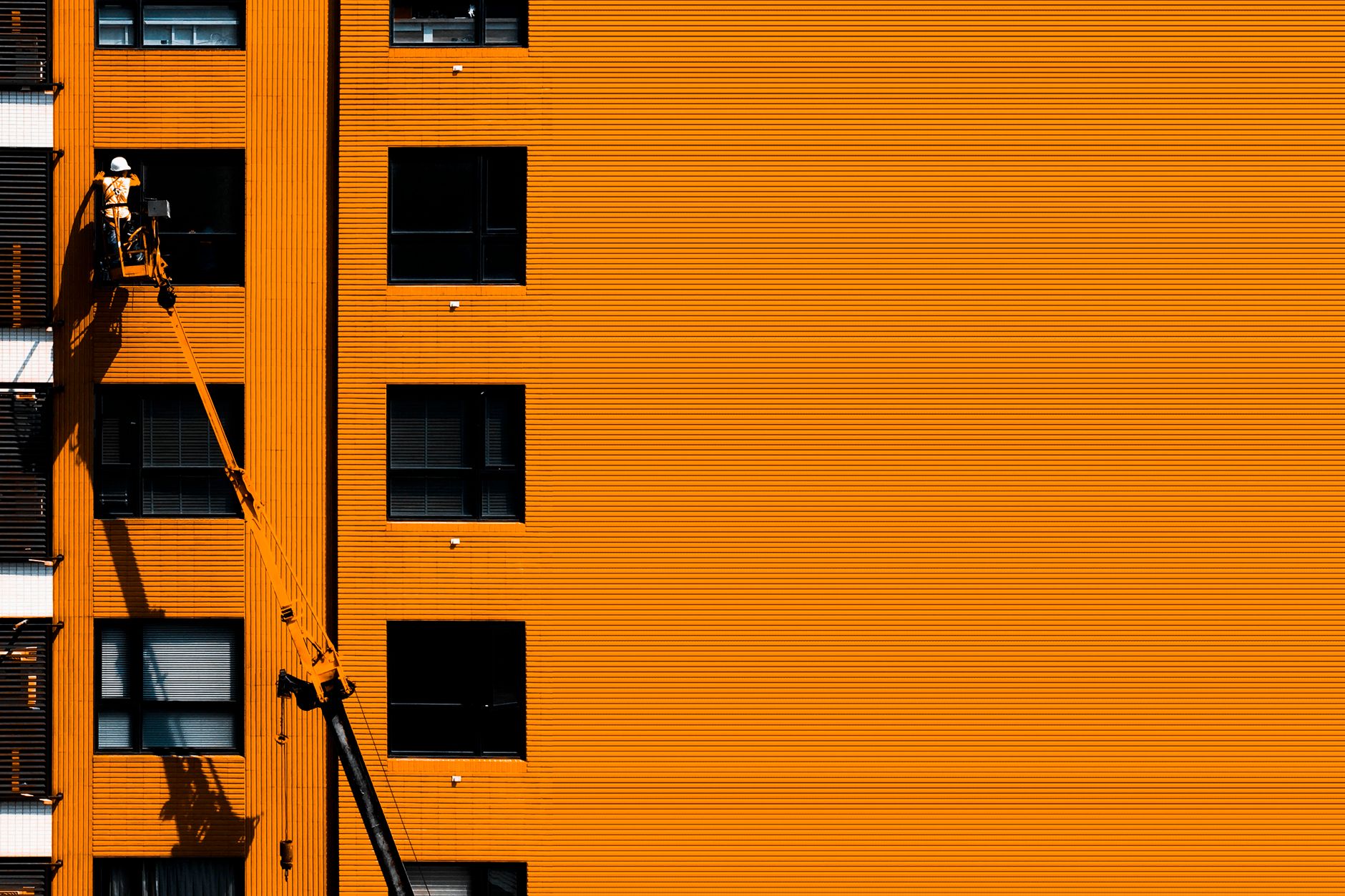
High ceiling cleaning is a job for professionals because the work is dangerous, hard to reach, and easy to do badly without the right gear. Trained crews bring lifts, dusters, and safety training that protect both people and property, and they spot hidden moisture or mold along the way. In humid New Orleans, that thorough approach also helps keep indoor air cleaner and healthier.
At Big Easy Remediation, we know that the dust, cobwebs, and grime overhead are the easiest part of a building to ignore and the hardest part to clean safely. The higher the ceiling, the more reaching, balancing, and equipment the job demands, which is exactly where most do-it-yourself attempts run into trouble.
High ceilings collect more than they ever seem to, from settled dust and spider webs to soot, stains, and the early signs of a moisture problem. Left unaddressed, that buildup drifts back down into the air your family or your staff breathe all day.
This guide walks through the real reasons high ceiling cleaning belongs in professional hands and what a proper job actually involves. Contact us today to schedule a thorough ceiling cleaning before the buildup overhead starts affecting the space below.
Why Is High Ceiling Cleaning a Job for Professionals?
High ceiling cleaning is a job for professionals because the height, the equipment, and the safety risks put it well beyond what a ladder and a duster can handle. Reaching far overhead while balancing tools is dangerous work, and one slip can mean a serious fall or damaged property below.
Trained crews bring purpose-built equipment, the experience to use it correctly, and the safety habits that keep everyone protected. They also reach the dust, cobwebs, and grime that simply are not visible from the floor, so the clean is far more complete than anything you can manage from the top of a ladder. In our older New Orleans buildings, where ceilings run high and original materials hold onto moisture, that extra reach and care matters even more.
The Risks of Cleaning High Ceilings Yourself
Tackling a tall ceiling on your own looks simple until you are balanced near the top of a ladder with a heavy pole in your hands. Most homes and businesses are not set up for the height involved, and that is where injuries happen.
The most common problems we see when people try this themselves include:
- Falls from ladders or makeshift platforms, which are the leading hazard in any overhead work
- Strained backs, shoulders, and necks from reaching and holding tools at awkward angles
- Damaged surfaces and fixtures when the wrong tool scratches paint or knocks loose a light
- Dust scattered everywhere, since brushing it loose without containment just sends it into the air
Even when the job goes smoothly, the results often disappoint, because a quick pass from a wobbling ladder rarely reaches the corners and seams where buildup hides. The risk almost never matches the reward, especially when a trained crew can do it faster and far more safely.
What Equipment Do Professionals Use to Clean High Ceilings?
A proper high ceiling cleaning depends as much on the right gear as it does on skill. Professionals arrive with tools built specifically for working far overhead, which is what separates a thorough clean from a frustrating one.
Specialized extension poles, telescoping dusters, and soft brushes reach heights that a standard ladder cannot, all while keeping the worker safely on the ground. For the tallest spaces, scaffolding and lifts provide a stable platform that no household setup can match. Microfiber heads and HEPA-filtered vacuums capture fine dust instead of scattering it, so the room is actually cleaner when the job is done rather than coated in fallen debris.
That equipment is expensive to buy, awkward to store, and genuinely tricky to operate well. Hiring a crew that already owns it and knows how to use it is almost always the more practical choice.
Safety Comes First With Overhead Work
Working at height carries real consequences, which is why safety sits at the center of every high ceiling cleaning we do. The difference between a routine job and an accident often comes down to preparation and protocol.
Proper Fall Protection
Any work performed well above the floor needs stable footing and the right protective measures, not a kitchen chair stacked on a table. Professional crews use rated ladders, scaffolding, or lifts and follow established procedures to keep both feet and tools secure.
That structured approach removes most of the guesswork that makes do-it-yourself overhead cleaning so risky. It also means the work moves faster, since no one is pausing to steady a shaky setup every few minutes.
Protective Equipment
Overhead cleaning kicks loose dust, debris, and sometimes mold spores that you really do not want in your eyes or lungs. Trained workers wear goggles, gloves, and respiratory protection suited to the conditions they find.
This matters most in older or long-neglected spaces, where decades of buildup can hide irritants you cannot see from the ground. The right gear keeps the crew safe and keeps that loosened material from spreading through the rest of the building.
A Controlled, Tidy Process
A professional job is not just safe for the crew but also for the space and the people in it. Drop cloths protect floors and furnishings, and work is staged so dust is captured rather than scattered everywhere.
That control is especially valuable in occupied homes and active businesses, where a messy clean creates more problems than it solves. The goal is a space that is genuinely cleaner afterward, not one that needs a second cleanup to recover.
What a Thorough Ceiling Cleaning Includes
Running a duster across the surface and calling it finished is not a professional ceiling cleaning. The work is methodical, and each step targets a different kind of buildup so nothing gets left behind.
The table below shows what a complete job typically covers and why each part matters for the space below.
| Step | What It Covers | Why It Matters |
|---|---|---|
| Assessment | Checking height, material, and condition | Sets the right tools and approach |
| Dust and cobweb removal | Clearing settled debris and webs | Improves the air below |
| Stain and spot treatment | Addressing soot, grime, and marks | Restores a clean appearance |
| Moisture and mold check | Inspecting for hidden water signs | Catches problems early |
Each stage builds on the last, which is why a rushed pass rarely delivers the same result. A careful, step-by-step approach is what leaves the ceiling truly clean and the space healthier.
How Professionals Catch Hidden Problems
One of the most overlooked benefits of professional ceiling cleaning is what a trained eye notices along the way. When a crew is working inches from your ceiling, they see things that are invisible from the floor.
Water stains, discoloration, soft spots, and the early signs of mold often appear overhead long before they are obvious anywhere else. In our climate, a small roof leak or a hidden plumbing issue can leave its first mark on a ceiling, where it sits unnoticed for months. Spotting that early gives you the chance to fix the source before it spreads into the walls and rooms below.
Because we also handle restoration work, we know exactly what those warning signs mean. If we find moisture or growth during a cleaning, we can move straight into addressing it rather than leaving you to chase down a separate solution.
Why High Ceilings Need Extra Care in New Orleans
Few places test a building like southeast Louisiana, and ceilings take more of that strain than most surfaces. Our humidity rarely lets up, storm season pushes moisture into roofs and attics, and a single hurricane can leave a building damp for weeks.
That climate creates ceiling-specific challenges that drier regions simply do not face:
- Persistent humidity that encourages dust to cling and mold to take hold
- Storm and roof leaks that often show up first as ceiling stains
- Older homes and buildings with tall original ceilings and materials that absorb moisture
- Poor airflow in upper spaces, where damp, stale air settles and lingers
These conditions mean a New Orleans ceiling needs more attention than a quick annual dusting. Regular professional cleaning keeps buildup in check and gives any moisture problem a much better chance of being caught early.
The Hidden Cost of Skipping Ceiling Cleaning
It is easy to treat overhead cleaning as optional, since the buildup is out of sight and out of mind. The trouble is that what gathers on a high ceiling does not stay up there forever.
Dust, cobwebs, and spores eventually drift down into the living and working space, where they affect the air quality of the entire room. For homes with children, older adults, or anyone sensitive to allergens, that steady fallout can mean more sneezing, congestion, and irritation.
In a business, a visibly grimy ceiling quietly shapes how customers and staff feel about the space. Skipping the job rarely saves money in the long run, because neglected buildup and missed moisture problems tend to grow into larger, costlier ones.
How Much Does Professional Ceiling Cleaning Cost?
The cost of high ceiling cleaning is rarely a single fixed number, because every space is different. What you pay depends on a handful of practical factors rather than a flat rate.
The biggest drivers are the height and size of the ceiling, the type of material and how delicate it is, the level of buildup or staining, and whether scaffolding or a lift is needed to reach the work safely. A small, accessible ceiling is far simpler than a tall commercial space that requires special access equipment. Because every job is different, we provide a free, no-obligation estimate after assessing your space, so you know exactly what to expect before any work begins.
When to Schedule a Professional Cleaning
Knowing the right moment to call helps you stay ahead of buildup instead of reacting to it. A few clear signals tell you a ceiling is overdue for professional attention.
Visible dust, hanging cobwebs, or a dingy, uneven color overhead all point to buildup that a quick dusting will not fix. New stains, discoloration, or any musty smell suggest moisture, which should be checked promptly before it spreads. Many homes and businesses also benefit from a scheduled cleaning once or twice a year.
After any storm or roof issue, an inspection of the ceiling is always a smart move. Pairing ceiling work with our broader ceiling cleaning services keeps the whole space looking and feeling its best.
Cleaning the Whole Space, Not Just the Ceiling
A ceiling rarely collects dust in isolation, since the same air carries it onto walls, vents, and surfaces throughout the room. Treating the ceiling alone often leaves the underlying air-quality problem only half solved.
That is why we look at the wider picture during any overhead job. Where it makes sense, we can pair ceiling work with wall cleaning services to refresh the full surface, and with air duct and HVAC cleaning to stop your system from recirculating the very dust you just removed. Addressing the space as a whole gives you a cleaner result that actually lasts, rather than a freshly cleaned ceiling above a dusty room.
Trust Your High Ceilings to a Professional Crew
High ceiling cleaning is one of those jobs where the safe, thorough route is also the smarter one, since the risks of doing it yourself rarely justify the savings. A trained crew brings the equipment, the safety habits, and the experienced eye that turn a difficult chore into a finished result you can count on.
If your ceilings are overdue for attention or you have spotted a stain you would rather have checked, the easiest next step is a professional visit. Call us today and let Big Easy Remediation keep your New Orleans space clean, healthy, and safe from the top down.
Common Questions
Frequently Asked Questions About High Ceiling Cleaning
Why should I hire professionals for high ceiling cleaning?
Hiring professionals keeps the job safe and thorough because high ceilings require special equipment, training, and fall protection that most homes and businesses do not have. A trained crew also reaches dust and cobwebs you cannot see from the floor and spots hidden moisture or mold along the way.
Is cleaning high ceilings myself dangerous?
Yes, cleaning high ceilings yourself is one of the riskier home tasks because it usually involves reaching far overhead from a ladder while balancing heavy tools. Falls, strained muscles, and damaged fixtures are common, and the results rarely match what a properly equipped crew can deliver.
What equipment do professionals use to clean high ceilings?
Professionals use telescoping poles, soft microfiber dusters, HEPA-filtered vacuums, and, for taller spaces, scaffolding or lifts that provide a stable platform. This gear reaches heights a standard ladder cannot while capturing dust instead of scattering it through the room below.
How often should high ceilings be cleaned?
Most homes and businesses benefit from professional ceiling cleaning once or twice a year, though dusty environments or high-traffic spaces may need it more often. You should also schedule a cleaning after any storm, roof issue, or whenever stains or musty smells appear overhead.
Can ceiling cleaning reveal hidden water or mold problems?
Yes, working close to a ceiling often reveals water stains, discoloration, or early mold that is invisible from the floor. In our humid climate these are common first signs of a roof or plumbing leak, and catching them early helps stop the problem before it spreads.
Do dirty high ceilings affect indoor air quality?
Dirty high ceilings do affect indoor air quality, because the dust, cobwebs, and spores that gather overhead eventually drift down into the room. That steady fallout can worsen allergies and irritation, especially for children, older adults, and anyone sensitive to airborne particles.
How much does professional high ceiling cleaning cost?
Cost depends on the height and size of the ceiling, the material, the level of buildup, and whether scaffolding or a lift is needed. Because every space is different, we provide a free, no-obligation estimate after assessing your ceiling so you know what to expect.
Why is high ceiling cleaning harder in New Orleans?
High ceiling cleaning is harder here because our heavy humidity, frequent storms, and older buildings with tall ceilings all encourage dust to cling and moisture to settle overhead. Those conditions mean local ceilings need more regular attention and a closer eye for hidden water problems.
Need restoration help in New Orleans?
Same-day response to water, mold, fire, and cleaning emergencies across Greater New Orleans, with a written scope before any work begins.