
Guide to Water Damage Cleanup in New Orleans Homes
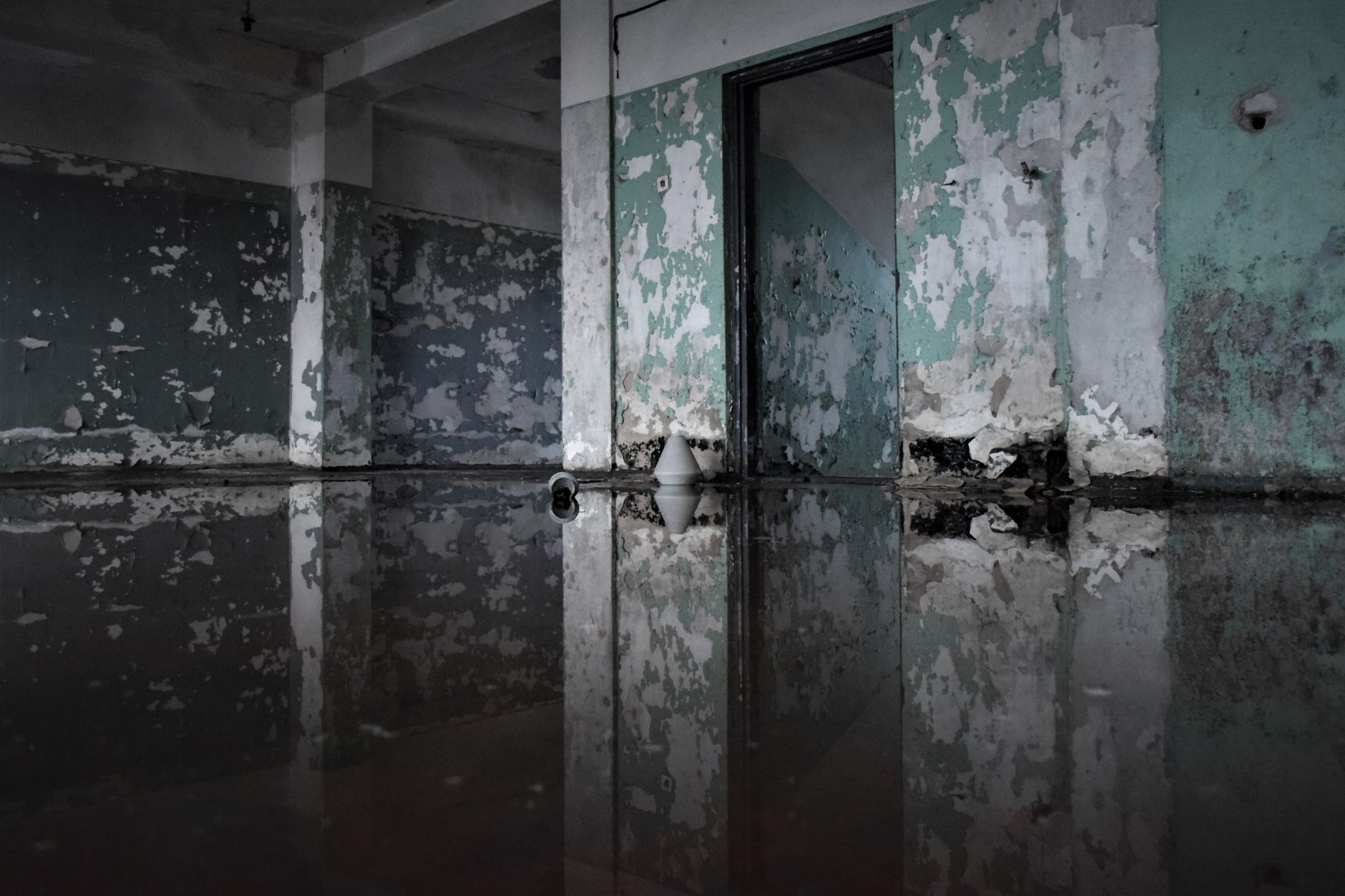
Water damage cleanup starts with safety: shut off the water and power, protect yourself from contaminated water, then assess and document the damage before calling your insurer. Drying the affected space thoroughly within 24 to 48 hours is the key to stopping mold from taking hold. In storm-prone, humid New Orleans, acting fast and bringing in professional restoration is the safest way to protect your home and your family.
At Big Easy Remediation, we know how fast a burst pipe or a flooded room can turn into a much bigger problem. The choices you make in the first hours often decide how much of your home you save and how much you have to rebuild.
Water never waits, and in our humid Gulf Coast climate it sets the stage for mold almost immediately. Knowing the right steps, in the right order, keeps a stressful situation from spiraling into a costly one.
This guide walks you through exactly what to do after water damage, from the first safety checks to full restoration. Contact us today to get a trained crew on the way before the damage spreads any further.
What Should You Do First After Water Damage?
The first priority after water damage is safety, not cleanup. Get everyone away from standing water, shut off the source if you can reach it safely, and cut the power to the affected area before you touch anything else.
Speed matters just as much as order. Damage can begin within the first hour and worsens the longer water sits, so a calm, quick response protects both your family and your property. Once people are safe and the source is stopped, you can move on to assessing what the water has actually reached.
Immediate Safety Steps Before You Touch the Water
Before any cleanup begins, a few safety steps protect you from injury and contamination. Rushing in without them can turn a property problem into a health one.
Protect Everyone in the Home First
Occupant safety always comes first, so move everyone away from standing water and wet flooring right away. Even an inch of water creates slip hazards, and water near outlets or appliances carries a real risk of shock.
Keep children and pets clear of the affected rooms until the area is confirmed safe. If anyone has to pass through, make sure the power to that zone is already off.
Shut Off the Water and Power
If the damage comes from a broken pipe or appliance, shut off the water supply to stop more from flowing in. For rain or flood water, focus on moving people to dry ground instead.
When water is anywhere near electrical equipment, switch off the power to that area, but never approach a wet breaker box. If you are unsure or the home has flooded, wait for a qualified professional before restoring power.
Wear Protective Gear
Floodwater and even slow leaks can carry bacteria and other contaminants you cannot see. Before entering an affected area, put on waterproof gloves and boots along with an N95 mask.
Moving through a wet space can stir up and spread harmful particles, so limit your time inside. If the water looks dirty or has been sitting, treat it as unsafe and leave the heavy work to a trained crew.
How to Assess the Damage Safely
Once the area is safe, a clear assessment tells you how serious the situation is and what needs attention first. Working through it in order keeps you from missing hidden trouble.
- Find and stop the source. Confirm whether the water came from a pipe, the roof, an appliance, or outside flooding, then stop it if you safely can.
- Identify the water type. Clean water from a supply line is far safer than gray water from a sink or black water from a sewer backup.
- Check the structure. Look for sagging ceilings, bowing floors, or cracking walls, since these can signal a risk of collapse in older homes.
- Map the affected areas. Inspect walls, floors, ceilings, and enclosed spaces. More damage can keep surfacing for up to 48 hours.
If you spot signs of structural weakness or contaminated water, step back and let professionals evaluate it. Pushing forward in an unstable or unsanitary space is rarely worth the risk.
Why Water Type Changes Everything
Not all water is equal, and the type involved shapes how cleanup has to be handled. Treating dirty water like clean water is one of the most common and dangerous mistakes homeowners make.
Clean water from a supply line carries the least risk, while gray water from sinks or washing machines holds bacteria that can make people sick. Black water from sewage backups or flooding is genuinely hazardous and almost always calls for professional remediation with proper protection.
When water has been sitting for more than a day, even initially clean water can turn contaminated as it picks up dirt and bacteria. Storm flooding in our area often qualifies as black water, since it can carry sewage and chemicals from outside.
That is why our team identifies the category first and matches the cleanup, disinfection, and disposal steps to what we are actually dealing with.
How Do You Document Water Damage for Insurance?
Thorough documentation protects you long after the water is gone, especially when it comes to insurance. The more detail you capture early, the smoother the recovery tends to go.
Photograph and record video of every affected surface, including walls, floors, ceilings, and any signs of water intrusion. Use natural light where you can, and capture both wide shots and close-ups so the full extent of the damage is clear.
Keep receipts for repairs, supplies, and temporary housing, and build a written inventory of damaged items with their approximate value. It also helps to note any pre-existing damage, since older stains often show ring marks and feel dry to the touch.
Capturing all of this before cleanup begins gives you a clear record of what the water actually caused.
The Water Damage Cleanup Timeline
Water damage follows a predictable timeline, and each stage has its own window for action. Understanding it helps you see why speed matters so much in our climate.
| Time After Damage | What Happens | What To Do |
|---|---|---|
| First hour | Water spreads and soaks into materials | Stop the source and ensure safety |
| First 24 hours | Porous materials absorb moisture | Begin drying and remove standing water |
| 24 to 48 hours | Mold can begin to grow | Dry thoroughly and call a professional |
| After 48 hours | Damage and mold spread further | Schedule full restoration right away |
The first day is the most important window you have. We handle both residential water damage restoration and commercial water damage restoration so nothing slips past that critical 24-to-48-hour mark.
How Does the Water Damage Cleanup Drying Process Work?
Drying is the single most important step in preventing mold, and it needs to start fast. The goal is to remove moisture from the air and from materials before it has time to settle in.
Begin by removing standing water and pulling out anything that holds moisture, such as soaked carpet, padding, and ruined drywall. Open windows when the weather allows, run fans and a dehumidifier, and keep indoor humidity below 50 percent to help stop mold while materials dry.
Drying a home usually takes several days, and porous items left wet too long often cannot be saved. Pay close attention to hidden spaces like wall cavities and the area under cabinets, where trapped moisture tends to linger.
When the air stays heavy, store-bought fans rarely move enough moisture on their own, which is why professional drying equipment makes such a difference here.
How Do You File a Water Damage Insurance Claim?
Reporting water damage quickly gives you the best chance at a smooth claim. Most insurers want to hear from you as soon as possible, not the next business day.
Contact your agent or your insurer’s claims line right away and describe what happened in plain detail. Lean on the documentation you gathered, since clear photos, video, and receipts make the process far easier.
Working through your own agent often helps, because they represent your interests as the claim moves forward. Ask what your policy covers and whether emergency mitigation is reimbursed, so you understand the next steps before any major work begins.
The faster you start, the sooner cleanup and restoration can move ahead with everyone on the same page.
Restoration and Repair After Cleanup
After the home is fully dry, restoration brings it back to a safe and livable condition. This is where temporary cleanup turns into a real, lasting repair.
Restoration usually begins within 24 to 48 hours once the work is approved, starting with removing porous materials that trapped moisture. Contaminated items soaked for more than a day are disposed of rather than salvaged, and heavily contaminated spaces get an antimicrobial cleaning before anyone moves back in.
Structural repairs follow, often taking one to two weeks depending on the extent of the damage. Because lingering moisture invites mold, we also offer professional mold removal services to make sure the problem ends with the water, not after it.
Why Older New Orleans Homes Need Extra Care
New Orleans homes carry a unique set of risks when water gets in. Our heavy rains, hurricane season, and high water table mean flooding is a recurring reality rather than a rare event.
Older local homes add another layer of concern, with original wood, plaster, and tight floor plans that hold moisture and weaken faster than modern materials. Slab and pier-and-beam foundations can let water collect underneath where it goes unnoticed for days.
Because surfaces here stay damp long after a leak stops, the line between water damage and mold damage is thinner here than almost anywhere else. That is why local homes call for faster drying and a more thorough inspection than a one-size-fits-all approach would suggest.
Why Professional Water Restoration Matters
A wet-vac and a few fans can handle a small spill, but real water damage needs more than surface effort. Moisture hides inside walls, under floors, and in insulation, where everyday tools simply cannot reach it.
Our crew finds the hidden moisture, dries the space with commercial equipment, removes materials that cannot be saved, and confirms everything is fully dry before we finish. Our full range of water damage restoration services covers everything from emergency extraction to structural drying and repair. Acting fast with Big Easy Remediation keeps a water problem from quietly becoming a mold problem weeks later. Call us today to get your New Orleans home assessed, dried, and restored before the damage has a chance to spread.
Common Questions
Frequently Asked Questions About Water Damage Cleanup
What should I do in the first hour after water damage?
Focus on safety first, then stop the source. Move everyone away from standing water, shut off the water supply or cut the power to the affected area, and avoid contact with contaminated water. Once the situation is safe, you can begin assessing the damage.
How quickly does water damage cause mold?
Mold can begin growing within 24 to 48 hours of water exposure. That short window is why fast, thorough drying matters so much, especially along the Gulf Coast where surfaces stay damp long after a leak stops.
Can I clean up water damage myself?
Small, clean-water spills can often be handled yourself if you dry the area quickly. Larger floods, contaminated water, or moisture inside walls and floors call for professional restoration, since hidden dampness left untreated almost always leads to mold and structural damage.
Is it safe to walk through standing water in my home?
Not always. Standing water can hide electrical hazards, sharp debris, or contamination from sewage and flooding. Cut the power to the area, wear waterproof boots and gloves, and avoid any water that looks dirty or has been sitting for a while.
Will my insurance cover water damage cleanup?
Coverage depends on your policy and the cause of the damage, so report it to your insurer as soon as possible. Detailed photos, video, and receipts make your claim far stronger, which is why documenting everything before cleanup begins is so important.
How long does it take to dry out a water-damaged home?
Drying a home typically takes several days, depending on how much water was involved and which materials it reached. Professional equipment speeds this up and reaches moisture that household fans cannot, which matters most where surfaces stay damp.
What is the difference between clean, gray, and black water?
Clean water comes from a supply line and carries the least risk. Gray water from sinks or washing machines holds bacteria, while black water from sewage or flooding is hazardous. Black water and standing gray water should always be handled by professionals.
Do I need professional help for minor water damage?
A small, clean spill dried within a day may not require help. If the water was contaminated, soaked into walls or flooring, or sat for more than 24 hours, professional restoration protects your home from hidden moisture, lingering odor, and mold you cannot see.
Need restoration help in New Orleans?
Same-day response to water, mold, fire, and cleaning emergencies across Greater New Orleans, with a written scope before any work begins.