
Extend HVAC System Life: 7 Secrets to Air Duct Maintenance
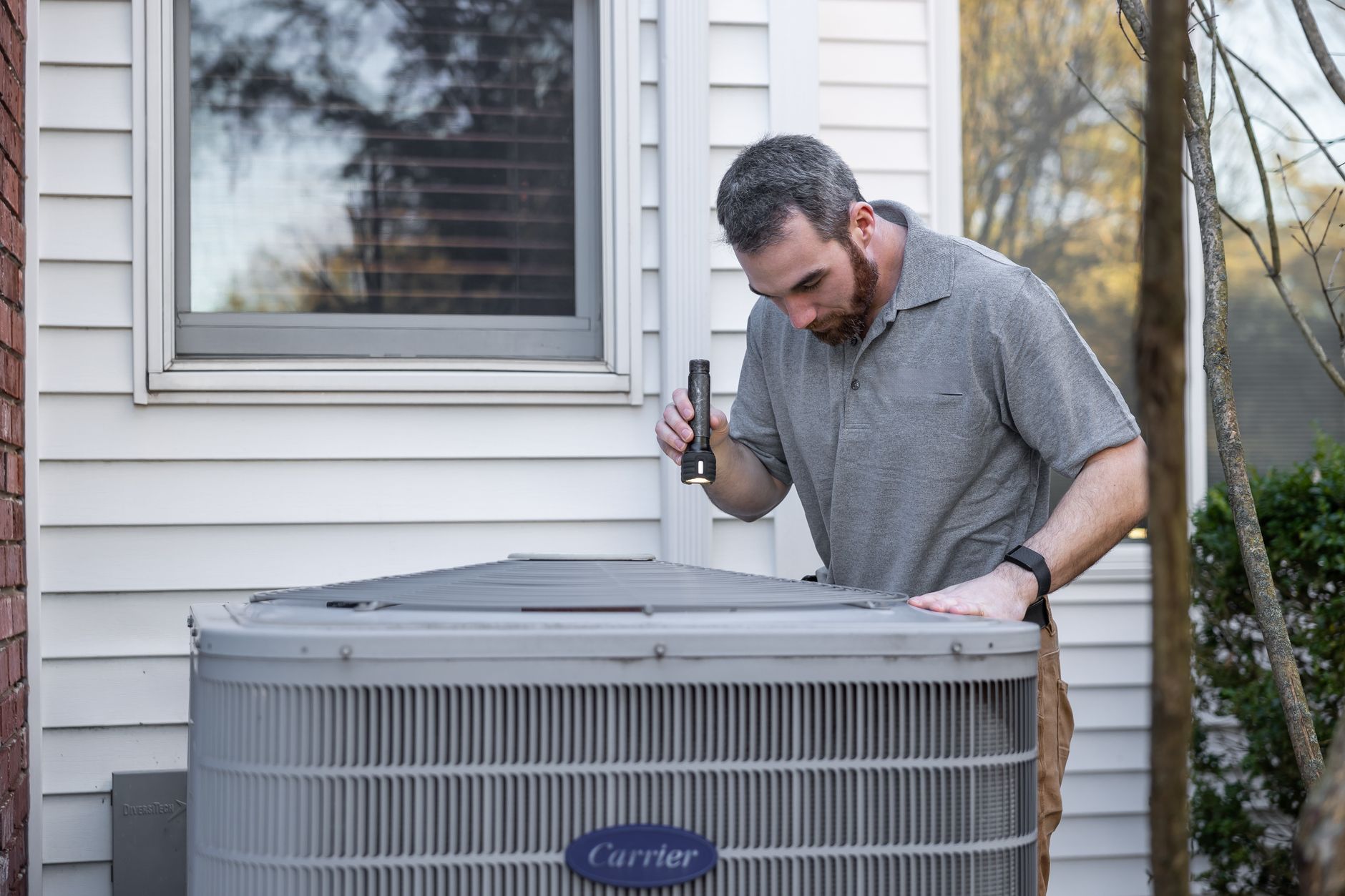
Extending your HVAC system life depends on consistent air duct maintenance: change filters on schedule, have ducts cleaned when signs of mold or heavy dust appear, seal leaks, insulate the ductwork, keep the outdoor unit clear, and control indoor humidity. In humid New Orleans, clean ducts protect airflow, air quality, and the equipment itself. Big Easy Remediation serves New Orleans homes.
At Big Easy Remediation, we see how hard heating and cooling systems work in our humid Gulf Coast climate. The ductwork behind those systems quietly decides how long the equipment lasts and how clean your indoor air stays.
Most homeowners never think about their air ducts until airflow drops or the system breaks down. By then, dust, moisture, and strain have often been building inside the ductwork for years.
This guide walks through seven practical secrets to air duct maintenance that help your system run longer and cleaner. Contact us today to schedule a professional air duct inspection before small issues turn into expensive repairs.
How Does Air Duct Maintenance Extend HVAC Life?
Air ducts carry every bit of conditioned air through your home, so their condition shapes how hard the system has to work. When ducts are clean, sealed, and clear, air moves freely and the equipment runs the way it was designed to.
When ducts clog with dust or leak air into attics and crawl spaces, the system strains to keep up. That extra load wears out motors, coils, and fans faster, which is exactly how a unit fails years before it should.
Across our warm, damp climate, that wear runs nearly year round, which makes steady maintenance even more valuable here than in drier regions. Treating the ductwork as part of routine home care, rather than an afterthought, is the difference between a system that lasts its full expected life and one that quits early.
The 7 Secrets to Air Duct Maintenance
These are the habits we rely on most when helping homeowners get the longest life from their systems. Each one targets a different way ducts lose efficiency over time.
Change Air Filters on a Schedule
A clogged filter is the most common reason a system overworks itself. When the filter loads up with dust, airflow drops and the equipment pulls harder to move the same amount of air through the ducts.
Changing filters every one to three months keeps air moving freely and protects the motor, coils, and blower downstream. In a New Orleans home running air conditioning much of the year, the shorter end of that range is usually the safer choice. A fresh filter also keeps less dust circulating into the ductwork, which means longer stretches between deeper cleanings.
Schedule Professional Duct Cleaning When Needed
Filters catch a lot, but fine dust, allergens, and debris still settle deep inside the ductwork over time. Having ducts inspected and then cleaned when there are signs of mold, heavy dust, or a recent renovation clears that buildup before it restricts airflow or feeds mold.
This is also the point where hidden problems surface, from moisture pockets to early growth inside the ducts. Catching those issues during a routine cleaning is far cheaper than addressing them after they spread through the system. A professional cleaning also reaches the bends and junctions a homeowner simply cannot, which is where buildup tends to settle most heavily.
Seal and Repair Duct Leaks
Leaky joints and cracked sections let conditioned air escape before it ever reaches your rooms. That lost air forces the system to run longer to hit the same temperature, driving up wear and energy use.
Sealing and repairing those leaks keeps the air where it belongs and eases the load on the equipment. Older homes across the region often have aging ductwork that benefits the most from this step.
Insulate the Ductwork
Ducts that run through hot attics and damp crawl spaces lose efficiency fast when they are poorly insulated. Conditioned air warms or cools before it arrives, so the system works overtime to compensate.
Proper insulation keeps the air at the right temperature from end to end. It also reduces condensation on the ducts, which matters a great deal in a climate where excess moisture invites mold.
Keep the Outdoor Unit Clear
The outdoor unit needs open airflow to release the heat your system pulls from inside. Leaves, grass clippings, and overgrown shrubs crowd that airflow and force the equipment to work harder than it should.
Clearing debris and trimming back nearby plants gives the unit room to breathe and run efficiently. Where storms scatter branches and vegetation grows fast, a quick seasonal check around the unit pays off in longer equipment life.
Control Indoor Humidity
Damp air is the quiet enemy of clean ductwork, because moisture that settles inside the ducts gives mold the dampness it needs to grow. Running your air conditioning or a dehumidifier keeps that humidity in check before it ever reaches the ductwork.
Steady humidity control protects more than the ducts, since drier air eases the load on the whole system and slows the wear that damp conditions accelerate. In our climate, this single habit does more to prevent hidden mold than almost any other step on this list.
Schedule Seasonal Tune-Ups
A professional tune-up before each cooling season catches small problems while they are still small. A technician can spot a weak motor, a loose connection, or early duct trouble before peak demand pushes the system to its limit.
These seasonal checks also keep the equipment running at its rated efficiency, which protects both your comfort and the lifespan of the unit. Pairing a tune-up with a quick look at your vents and registers, making sure furniture and rugs are not blocking airflow, keeps the whole system balanced.
More Ways to Protect Your System
Beyond the seven secrets above, a few everyday habits decide how smoothly the whole system runs. Small, regular attention here prevents some of the most common failures we see.
- Check vents and registers. Make sure furniture and rugs are not blocking airflow, which forces the system to push harder than it should.
- Watch for warning signs. Uneven cooling, rising energy bills, or musty odors often trace back to the ductwork.
- Keep an eye on the thermostat. Short cycling or a system that never quite catches up can signal duct strain worth a professional look.
Staying ahead of these details keeps the system balanced and prevents the slow strain that shortens its life. None of them take long, yet together they make a real difference over the years.
How Duct Neglect Strains Your HVAC System
Neglected ducts do not fail all at once. They wear the system down gradually, with each problem adding a little more strain until the equipment gives out early.
Dust buildup chokes airflow, leaks waste conditioned air, and trapped moisture invites mold that spreads through the vents. The table below shows how each issue affects the system and why staying ahead of it matters.
| Duct Issue | Effect on the System | Why It Matters |
|---|---|---|
| Dust and debris buildup | Restricts airflow and overworks the blower | Shortens equipment lifespan |
| Leaky or disconnected ducts | Wastes conditioned air into attics and crawl spaces | Raises energy bills and runtime |
| Trapped moisture | Encourages mold growth inside the ductwork | Spreads spores through every room |
| Poor insulation | Lets air warm or cool before it arrives | Forces the system to run longer |
Each of these problems quietly compounds the others, so a single neglected duct can drag down the entire system. Regular maintenance breaks that cycle before it reaches the point of failure.
Air Ducts and Your Indoor Air Quality
Air quality and duct health are tightly linked, because every breath inside your home passes through that ductwork. When the ducts are dirty, they spread whatever has settled inside them across every room you live in.
Dust, pollen, pet dander, and mold spores collect in neglected ducts and recirculate each time the system runs. For anyone with allergies, asthma, or sensitivity to airborne irritants, that constant exposure can make symptoms harder to manage at home.
Clean ducts keep the air clearer, which protects both the people in your home and the system moving that air. With windows shut for the air conditioning much of the year, the ductwork carries even more of the air you actually breathe.
Why Mold Loves New Orleans Ductwork
Few places give mold a better foothold inside air ducts than southeast Louisiana. Our humidity rarely drops for long, and the cool surfaces inside running ductwork draw condensation that mold needs to grow.
Once spores take hold inside the system, the same airflow that cools your home carries them into every room. That is why we treat duct moisture as a real concern here, not a minor one. Summer storms and the occasional flood only add to the dampness our homes already hold.
Pairing regular cleaning with steady humidity control is the most reliable way to keep ducts from becoming a hidden source of growth. When mold has already settled into the system, professional residential mold removal clears it at the source so it does not return through the vents.
When to Call a Professional
Some duct maintenance is simple homeowner upkeep, but other signs call for a trained crew. Knowing the difference keeps a small issue from quietly becoming a major repair.
If you notice a musty smell from the vents, visible dust blowing into rooms, uneven temperatures, or a steady climb in energy bills, the ductwork deserves a closer look. We provide thorough air duct and HVAC cleaning that clears buildup and checks for hidden moisture along the way.
When mold has already taken hold inside the system, our odor removal service helps clear the lingering smell while we address the source so the air stays fresh. Calling early, at the first warning sign rather than after a breakdown, almost always keeps the work smaller and the cost lower.
Keep Your System Running Strong
A long-lasting HVAC system is rarely luck: it is far more often the result of steady, simple maintenance. Clean filters, sealed ducts, and controlled humidity protect the equipment you have already paid for and spare you an early replacement.
If your airflow has dropped or musty odors keep returning, a professional inspection is the smartest next step. Call us today and let Big Easy Remediation keep your New Orleans home comfortable, efficient, and breathing clean.
Common Questions
Frequently Asked Questions About Air Duct Maintenance
How often should air ducts be cleaned?
There is no fixed schedule, so the best approach is to have ducts inspected yearly and cleaned when there are signs of mold, heavy dust, or a recent renovation. In humid climates like New Orleans, those signs tend to appear sooner, which is why allergies, musty odors, or visible buildup are good reasons to book a cleaning.
Does air duct maintenance really extend HVAC lifespan?
Yes, clean and well-sealed ducts let the system run the way it was designed to, with less stress on the motor, coils, and blower. Reducing that load helps the equipment last longer and run more efficiently, which lowers the chance of an early breakdown or replacement.
How often should I change my air filter?
Most filters should be changed every one to three months, depending on the type and your household. In New Orleans, where air conditioning runs much of the year, the shorter end of that range usually keeps airflow strong and protects the components downstream from extra dust and wear.
Can dirty air ducts cause mold in my home?
Yes, ducts trap dust and moisture, and our humid climate gives mold the dampness it needs to grow inside them. Once mold takes hold, the system can spread spores through every room, which is why regular cleaning and humidity control matter so much here.
What are the signs my air ducts need attention?
Common signs include musty odors from the vents, visible dust blowing into rooms, uneven temperatures between rooms, and energy bills that keep climbing. Allergy symptoms that worsen indoors can also point to dust or mold circulating through neglected ductwork.
Is professional duct cleaning worth it?
Professional cleaning reaches deep into the ductwork where everyday filters cannot, removing built-up dust, allergens, and debris. It also surfaces hidden issues like moisture or early mold, so problems get caught and corrected before they spread or shorten the life of your system.
How does duct insulation help my HVAC system?
Insulated ducts keep conditioned air at the right temperature as it travels through hot attics and damp crawl spaces. That means the system works less to reach your set temperature, and insulation also reduces condensation that could otherwise invite mold inside the ductwork.
How much does air duct cleaning cost?
Cost depends on the size of your home, the layout of the ductwork, and the level of buildup or moisture involved. Because every system is different, we provide a free, no-obligation estimate after inspecting your home so you know exactly what to expect.
Need restoration help in New Orleans?
Same-day response to water, mold, fire, and cleaning emergencies across Greater New Orleans, with a written scope before any work begins.