
Why You Should Never Ignore Mold in Your New Orleans Home
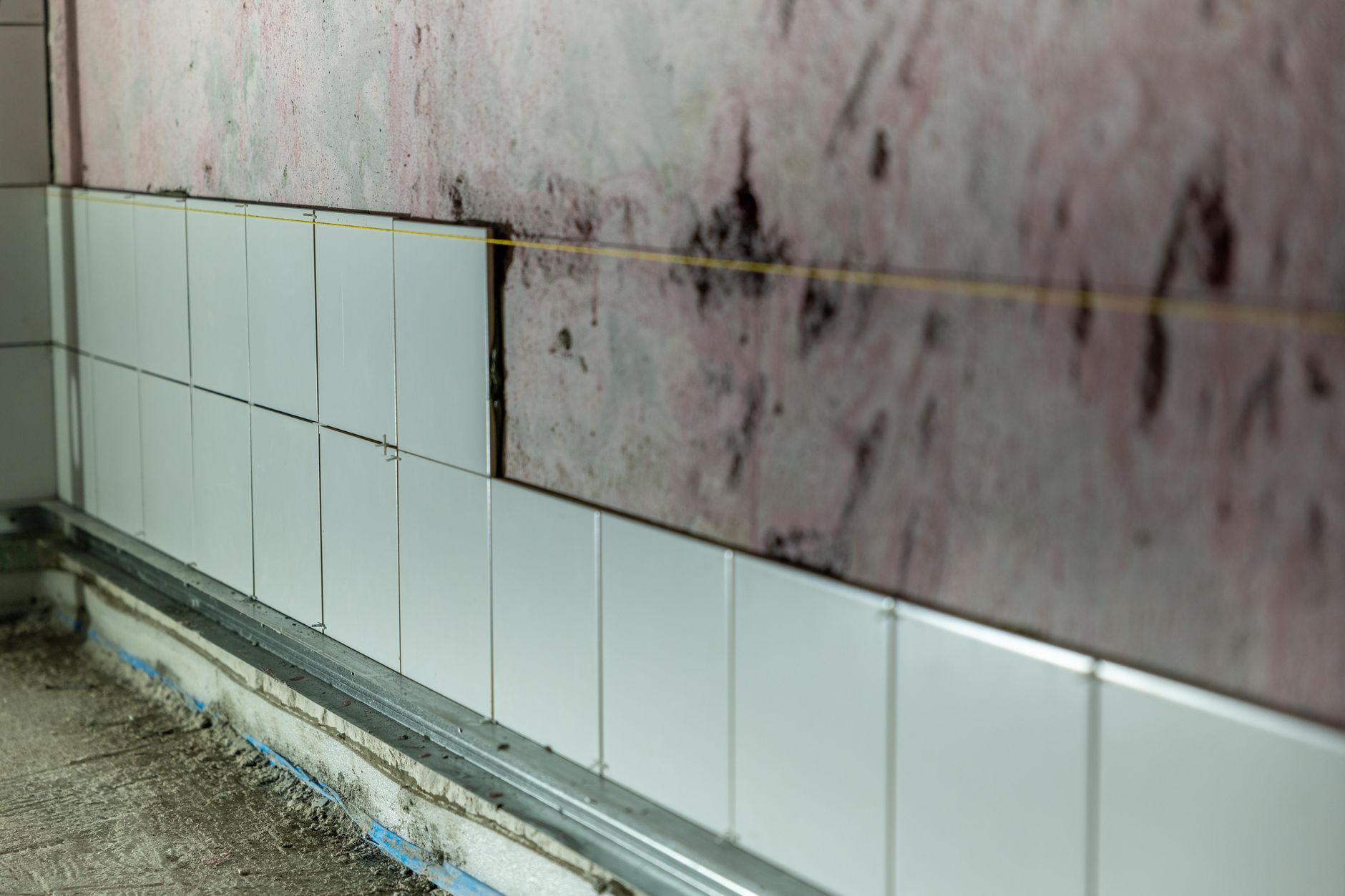
Ignoring mold is risky because it quietly threatens your health, your property, and your finances all at once. A hidden colony can trigger respiratory symptoms, rot drywall and framing, lower your home value, and complicate insurance claims. In humid New Orleans, mold spreads within 24 to 48 hours of a leak, so acting at the first sign is the safest and most affordable choice.
At Big Easy Remediation, we see how often homeowners hope a little mold will simply go away on its own. In our humid Gulf Coast climate, that hope almost always turns into a bigger and more expensive problem.
Mold rarely stays put or stays small, and most of the real damage happens in places you never think to look. By the time it becomes obvious, it has often spread through walls, flooring, and the air your family breathes.
This guide breaks down exactly what you risk by ignoring mold and why fast action pays off here. Contact us today to schedule a professional inspection before a small spot becomes a major repair.
What Happens If You Ignore Mold?
Ignoring mold lets a minor moisture issue grow into a health hazard, a structural problem, and a financial burden in parallel. What looks like a small stain today can spread behind walls and into the air within a matter of days.
Here, the stakes climb faster than most homeowners expect. According to the EPA, materials left wet for more than 24 to 48 hours can begin to grow mold, and our warm, damp air keeps it thriving long after the original leak is gone. That speed is why waiting and watching almost never works in New Orleans homes.
Each part of the problem also feeds the others as time passes. Health symptoms worsen as spore counts climb, repair bills grow as the colony reaches new materials, and resale and insurance headaches deepen the longer the issue sits undocumented.
The longer mold goes untreated, the more it costs to fix and the more it affects the people inside. Acting early is the single most reliable way to keep a quick cleanup from turning into a full restoration project.
The Hidden Costs of Ignoring Mold
Mold does its worst work out of sight, which is exactly why so many homeowners underestimate it. The price of waiting shows up in three different ways, and they tend to stack on top of one another.
Falling Property Value
A mold history follows a home long after the growth is gone. Buyers grow wary the moment mold appears on an inspection report, and that hesitation can pull down both your asking price and your pool of interested buyers.
Even after professional removal, undisclosed or poorly documented mold can stall a sale. Treating the problem properly and keeping records protects the value you have built in your home.
Rising Repair Bills
Hidden growth travels faster than people expect, and every new surface it reaches adds to the final bill. A patch caught early might mean simple cleanup, while a colony left alone can demand demolition and rebuilding.
The cost depends on how far the growth has traveled and which materials it has reached. Catching it early keeps the work small, which is why a prompt inspection almost always saves money in the end.
Insurance Complications
Many homeowner policies limit or exclude coverage for mold that results from neglected maintenance. A slow leak you knew about and ignored is a very different claim than sudden, accidental water damage.
That distinction can leave you paying out of pocket for repairs you assumed were covered. Addressing moisture quickly keeps a manageable issue from becoming an uncovered loss.
How Ignoring Mold Affects Your Health
Exposure works on the body in ways that are easy to mistake for everyday allergies, so families often live with the symptoms for months. The longer the exposure lasts, the more those reactions tend to build.
Breathing in spores can cause coughing, congestion, a sore throat, and itchy or watering eyes, even in otherwise healthy people. For anyone with asthma or allergies, mold is a well-known trigger that keeps flaring until the source is found and removed.
Infants, older adults, and people with weakened immune systems feel the effects soonest and most severely. When symptoms ease every time someone leaves the house, mold in the home is worth ruling out right away.
Who Is Most at Risk When Mold Is Ignored
Everyone in a home with mold is exposed, but some people feel the effects far sooner and far more strongly. Knowing who is most vulnerable helps families decide how urgently they need to act.
The highest-risk groups tend to include:
- Infants and young children, whose lungs are still developing
- Older adults, who often have less respiratory reserve to spare
- People with asthma, allergies, or chronic lung conditions, who react quickly to airborne spores
- Anyone with a weakened immune system, including those recovering from illness or surgery
If someone in your household falls into one of these groups, a mold problem stops being a minor annoyance and becomes a genuine health priority. In those homes, the safest choice is to have the mold inspected and removed without delay.
Why Ignoring Mold Costs More in New Orleans
Few places give mold a better foothold than southeast Louisiana, which is why waiting carries an extra price here. Our humidity rarely drops for long, summer storms push moisture into walls and crawl spaces, and a single hurricane season can leave homes damp for weeks.
Older New Orleans homes add to the risk with original wood, plaster, and tight floor plans that hold moisture and feed growth. The table below shows where ignored mold tends to cause the most trouble in local homes and why each area matters.
| Affected Area | What Ignoring It Leads To | Why It Matters Here |
|---|---|---|
| Drywall and insulation | Softens, crumbles, and must be replaced | Constant humidity keeps it wet longer |
| Wood framing and subfloors | Rots and loses structural strength | Older homes rely on original wood |
| Carpet and flooring | Traps spores deep in the fibers | Flood-prone floors stay damp |
| Indoor air quality | Spreads spores through the air system | Closed-up, cooled homes recirculate it |
How Ignored Mold Damages Your Home
The harm does not stop at making people uncomfortable. Mold steadily breaks down the materials it grows on, which is where the real repair costs begin to add up.
Mold feeds on common building materials like drywall, wood, carpet, and insulation, and as it spreads it weakens them from the inside out. Left untreated, a surface stain can turn into rot, sagging floors, and structural repairs that touch the bones of your home.
The damage rarely stays in one room either, since spores travel through the air and settle in new spaces. That is how a problem that began under one sink can end up affecting the comfort and safety of the whole house.
Your heating and cooling system can speed this along, drawing spores into the returns and pushing them into every room. The longer the colony feeds, the more materials it reaches and the more involved the eventual repairs become, which is why early action protects far more than just the spot you can see.
How Sewage and Contaminated Water Make It Worse
Not all mold problems start the same way, and water from a sewage backup or flood raises the danger sharply. This kind of contaminated water carries bacteria along with the moisture mold needs to thrive.
When that water is not cleaned up promptly and correctly, mold contamination becomes far more likely and far more hazardous. The materials it soaks into often cannot simply be dried and saved, because the contamination soaks past the surface.
For these situations, professional handling is not optional. We address both the sewage backup cleanup and the mold that follows, so your home is both safe and structurally sound when the work is done.
Why Mold Comes Back When You Ignore the Cause
One of the biggest mistakes we see is treating the mold but ignoring the moisture that fed it. Without fixing the source, growth returns quickly, often within weeks of a surface cleanup.
Bleach and spray cleaners may lighten what you can see, but on porous materials the roots run deeper than the surface. As long as the moisture remains, the colony has everything it needs to come right back.
That is why lasting removal always starts with the water problem, not the stain. Our team handles both residential mold removal and commercial mold removal, correcting the moisture source so the mold does not simply return.
What to Do the Moment You Suspect Mold
The most dangerous response to mold is to ignore it and hope it dries out on its own. The moment you notice a musty smell, a spreading stain, or unexplained symptoms at home, it is worth treating the situation seriously.
A few simple steps protect your home while you wait for an inspection:
- Do not disturb it. Scrubbing large patches sends spores through the air and spreads the problem.
- Keep the area dry. Fix any obvious moisture source and run a dehumidifier if you have one.
- Limit airflow to the space. Close vents and doors so spores do not travel to other rooms.
- Call a professional. A trained crew finds the source, contains it, and removes it safely.
Following these steps keeps a small problem contained until an expert can assess the full extent of the growth.
Don’t Wait for Mold to Take Over
Every day mold goes untreated, the risk to your health, your home, and your budget grows a little more. Acting early keeps one damp corner from becoming a full restoration, a failed inspection, and a lasting health concern.
If you suspect mold anywhere in your home, the safest move is a professional inspection right away. Call us today and let Big Easy Remediation protect your New Orleans home and the people in it.
Common Questions
Frequently Asked Questions About Ignoring Mold
What happens if you ignore mold in your house?
Ignoring mold lets it spread to hidden areas, weaken building materials, and worsen indoor air quality. Over time it can cause structural damage, trigger health symptoms, lower your property value, and complicate insurance claims, turning a small issue into a costly one.
Can ignoring mold make you sick?
Yes, ongoing mold exposure can cause coughing, congestion, sore throat, and irritated eyes, and it can worsen asthma and allergies. Infants, older adults, and people with weakened immune systems tend to feel the effects soonest and most severely.
Does mold lower your home value?
A mold history can lower your home value because buyers grow cautious once it appears on an inspection report. Even after removal, poorly documented mold can stall a sale, so proper remediation and clear records help protect your property’s worth.
Will homeowners insurance cover mold damage?
Coverage depends on the cause. Many policies limit or exclude mold that results from neglected leaks or poor maintenance, while sudden, accidental water damage is more likely to be covered. Addressing moisture quickly improves your odds of a valid claim.
How fast does mold spread if left untreated?
Mold can begin growing within 24 to 48 hours of water exposure and spreads quickly in humid conditions. In our climate, even everyday moisture lets it keep advancing, which is why fast cleanup matters so much in New Orleans homes.
Why does mold keep coming back after I clean it?
Mold returns when the moisture source that fed it is never fixed. Surface cleaning and bleach leave the roots behind on porous materials, so the colony regrows. Lasting removal means correcting the water problem, not just wiping the stain.
Is black mold from a sewage backup more dangerous?
Mold tied to sewage or contaminated water is riskier because that water carries bacteria along with moisture. The affected materials often cannot be saved, so professional cleanup and removal are the safest way to protect your home and your health.
Should I remove mold myself or call a professional?
Small surface spots can sometimes be cleaned, but larger or hidden mold needs professional removal. A trained team eliminates the colony fully, corrects the moisture source, and confirms the space is dry, so the problem does not simply return.
Need restoration help in New Orleans?
Same-day response to water, mold, fire, and cleaning emergencies across Greater New Orleans, with a written scope before any work begins.