
Does Homeowners Insurance Cover Fire Damage?
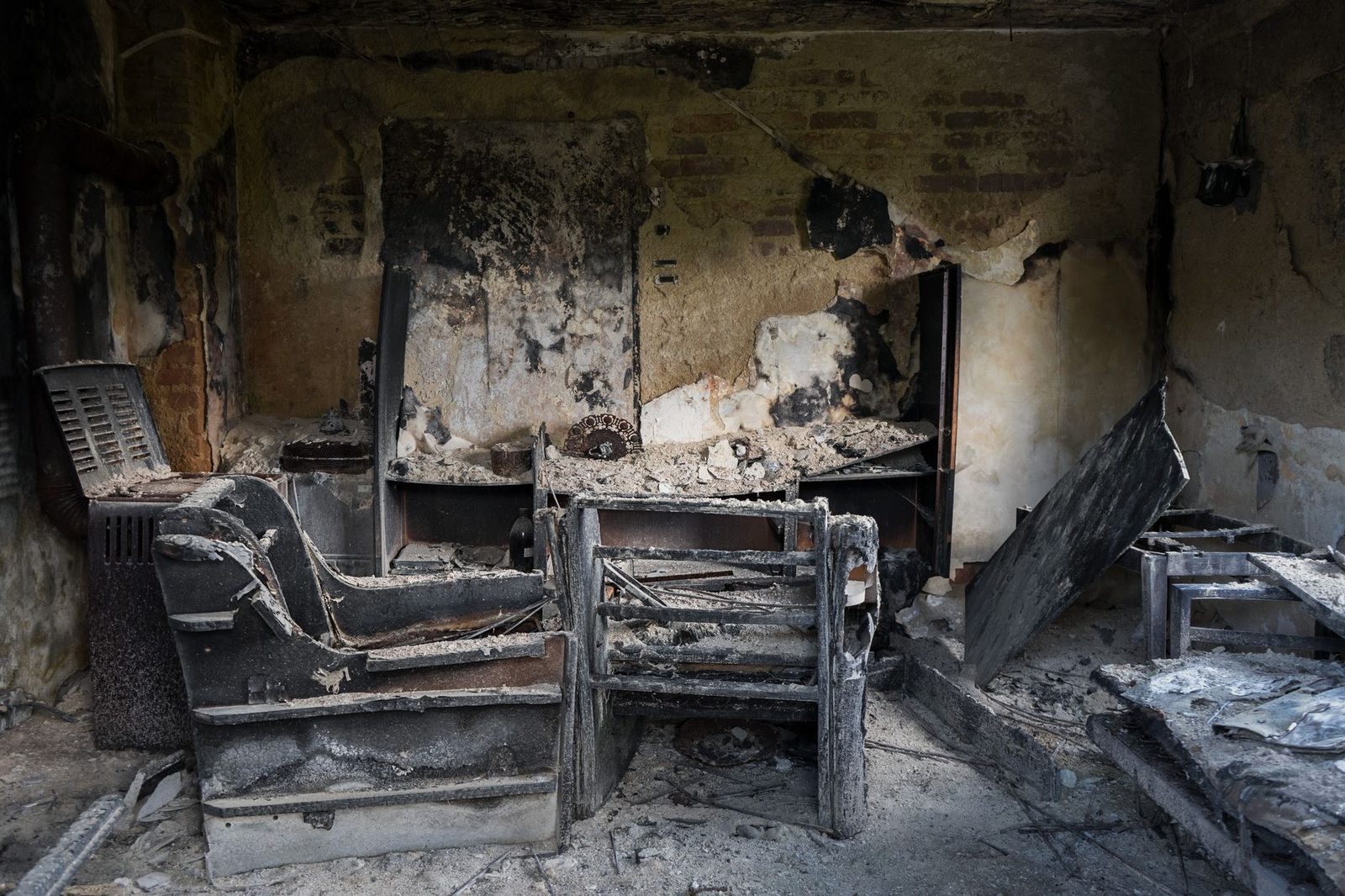
Yes, a standard homeowners policy in Louisiana almost always covers fire damage, including damage from flames, smoke, and the water firefighters use to put the fire out. The HO-3 form lists fire as a named peril, so the structure of your home, your belongings, and your temporary living costs are typically protected. Arson by the homeowner and vacant-property fires are the main exclusions.
At Big Easy Remediation, we get this question more than almost any other after a house fire in the New Orleans area. A fire is frightening enough without wondering whether your policy will actually pay for the cleanup and rebuild.
The short answer is reassuring, but the real question of whether your homeowners insurance covers fire damage has more moving parts than most people expect. Coverage depends on your policy type, the cause of the fire, and how carefully you document everything afterward.
We have walked Louisiana families through this process for years, and we want you to understand it before you ever need it. Contact us today to get straight answers about your fire damage situation from a local, IICRC-certified team familiar with Louisiana claims.
Does Homeowners Insurance Cover Fire Damage? Here Is the Short Answer
Fire is one of the oldest named perils in property insurance, which is exactly why “does homeowners insurance cover fire damage?” almost always gets a “yes.” A standard homeowners policy, the HO-3 form most common in Louisiana, treats fire as a covered cause of loss for both your home and your belongings.
Coverage normally breaks into several parts that work together. Dwelling coverage pays to repair or rebuild the physical structure, personal property coverage replaces your damaged belongings, and loss of use covers hotel stays and meals while your home is uninhabitable. In older New Orleans housing stock, where balloon-framed walls and shared walls between adjoining shotgun homes are common, rebuild figures climb fast once you account for plaster, period millwork, and bringing wiring up to current code.
There is also liability protection if the fire spreads to a neighbor’s property and you are found responsible. Most homeowners never think about that piece until they need it, yet it can matter a great deal in dense New Orleans neighborhoods where homes sit close together and a single attic fire can jump to the structure next door.
Does the Policy Cover Smoke Damage Too, or Just Flames?
This is where people get surprised, because smoke often causes more damage than the fire itself. A smoke damage claim is generally covered under the same fire peril, even in rooms the flames never reached.
Smoke and soot travel through ductwork, settle into walls, and saturate fabrics far from the origin point. In our humid Gulf Coast climate that residue does not simply sit there; the moisture in the air helps acidic soot bond to surfaces and intensifies the lingering odor inside closed-up rooms. Insurers recognize this, so the cleanup, deodorizing, and content restoration that follow a fire are typically part of the claim. Professional fire and smoke damage restoration is usually a covered expense rather than an out-of-pocket cost.
The catch is documentation. Soot residue and lingering odor are real damage, but they are easy for an adjuster to underestimate if no one captures the full extent before cleaning begins. Older homes with original ductwork and decades of porous wood can hold smoke far longer than a quick walkthrough suggests, which is why the affected areas should be mapped room by room.
How Does a Fire Damage Insurance Claim Usually Work in Louisiana?
Most homeowners imagine the claim process as one big event, when it is really a sequence of smaller steps. Understanding the order helps you avoid the mistakes that slow payment or shrink the settlement.
The Louisiana Department of Insurance sets timelines insurers must follow once you report a loss, which gives you a framework to hold them to. Keeping a simple written log of every call, claim number, and adjuster visit gives you a paper trail if a deadline slips. Here is how a typical fire damage insurance claim moves from the first phone call to a closed file.
| Stage | What Happens | Why It Matters |
|---|---|---|
| Report the loss | Call your insurer, get a claim number, note the date | Starts the official clock on your insurer’s response deadlines |
| Document everything | Photograph damage, list lost items, save receipts | Becomes the evidence base for your entire payout |
| Mitigate further damage | Board up, extract water, prevent mold growth | Policies require you to limit additional loss |
| Adjuster inspection | Insurer’s adjuster assesses scope and value | Sets the figure your settlement is built on |
| Restoration and settlement | Repairs proceed, funds released, file closed | Returns your home to a livable, safe condition |
Will Insurance Pay for the Water Damage From Putting Out the Fire?
Almost always, yes, and this surprises a lot of homeowners. The water firefighters use to extinguish a blaze can soak floors, ceilings, and furniture, and that secondary water damage is treated as part of the fire loss.
Because the water damage results directly from a covered peril, it rides along on the same claim rather than requiring separate flood coverage. That distinction matters in Louisiana, where flood and fire are governed by very different rules and flood typically needs its own separate policy. Fire-suppression water is not a flood event, so your standard policy handles it.
The faster that water is extracted and the structure is dried, the smaller the secondary problems become. Standing moisture invites mold within a day or two, and in our high year-round humidity drying takes longer because the surrounding air is already saturated, so damp plaster and subfloors in older homes hold water stubbornly. Prompt extraction and managed drying protect both your home and the size of your claim.
Are There Situations Where Fire Damage Is Not Covered?
Yes, and being honest about the exclusions matters as much as celebrating the coverage. Most denials trace back to a handful of specific circumstances rather than random bad luck.
Arson committed by the homeowner is the obvious one, since no policy rewards intentional destruction. Fires in a home that has been vacant beyond the policy’s stated period are commonly excluded or limited. Long-term neglect, like ignoring a known electrical hazard, can also give an insurer grounds to reduce a payout, and aging knob-and-tube or early-generation wiring still found in some older New Orleans homes draws extra scrutiny when a fire starts at an outlet or panel.
Vacant-property rules trip up landlords and people mid-renovation more than anyone else. If a New Orleans property sits empty for an extended stretch, the standard fire coverage may quietly lapse unless you add a vacancy endorsement. With so many homes here bought as rentals or held during slow gut renovations, it is worth confirming the vacancy clause in writing before the work drags on past your policy’s limit.
Should You Trust the Insurance Adjuster’s First Estimate?
Honestly, the first estimate is a starting point, not a final verdict. The adjuster works for the insurer, and even a fair one can miss damage that is hidden behind walls or inside ductwork.
Smoke infiltration, structural charring, and saturated insulation are easy to undervalue during a quick walkthrough. That is not always bad faith; it is simply the limit of what one visit can capture. In older local homes, soot pushed into wall cavities and original ductwork, plus water wicking up into plaster and pier-and-beam framing, often hides well beyond what a surface inspection reveals. A detailed, independent scope of the damage often reveals losses the initial estimate skipped.
This is exactly why thorough fire damage cleanup and documentation pays off. When a restoration team records every affected surface and material with photos and a written scope of work, you have evidence to support a fuller claim rather than accepting the first number offered.
Does Filing a Claim Raise Your Rates or Risk Cancellation?
Many homeowners hesitate to file because they fear the premium hit, so let us be straight about it. A single fire claim can affect your future rates, but skipping a legitimate claim to dodge that increase is rarely the right trade.
Insurers in Louisiana weigh your claims history, and a major fire loss is significant. Even so, the cost of repairing serious fire and water damage out of pocket almost always dwarfs any premium adjustment, especially given how quickly rebuild and smoke-cleanup work adds up in our older housing stock. Coverage exists for events exactly like this one.
Outright cancellation after a single covered fire is uncommon, especially when the cause was accidental and your property was maintained. The bigger risk to your policy is usually a pattern of claims or a documented hazard you ignored, not one unfortunate fire. A clean maintenance record and clear documentation of the cause go a long way toward keeping your coverage intact afterward.
Ready to Turn Your Fire Coverage Into a Real Recovery?
Knowing your policy covers fire damage is only the first step, because the size of your settlement depends on how the loss is documented and how fast the cleanup begins. At Big Easy Remediation, we handle boarding-up, water extraction, smoke cleanup, and the detailed documentation package your insurer needs to pay the claim fairly.
We work directly alongside your adjuster so nothing gets overlooked and your home gets back to livable faster. Call us today to start your fire damage recovery with a local, IICRC-certified team that knows Louisiana claims inside out.