
DIY vs. Professional Air Duct Cleaning: Which Is Best for New Orleans Homes
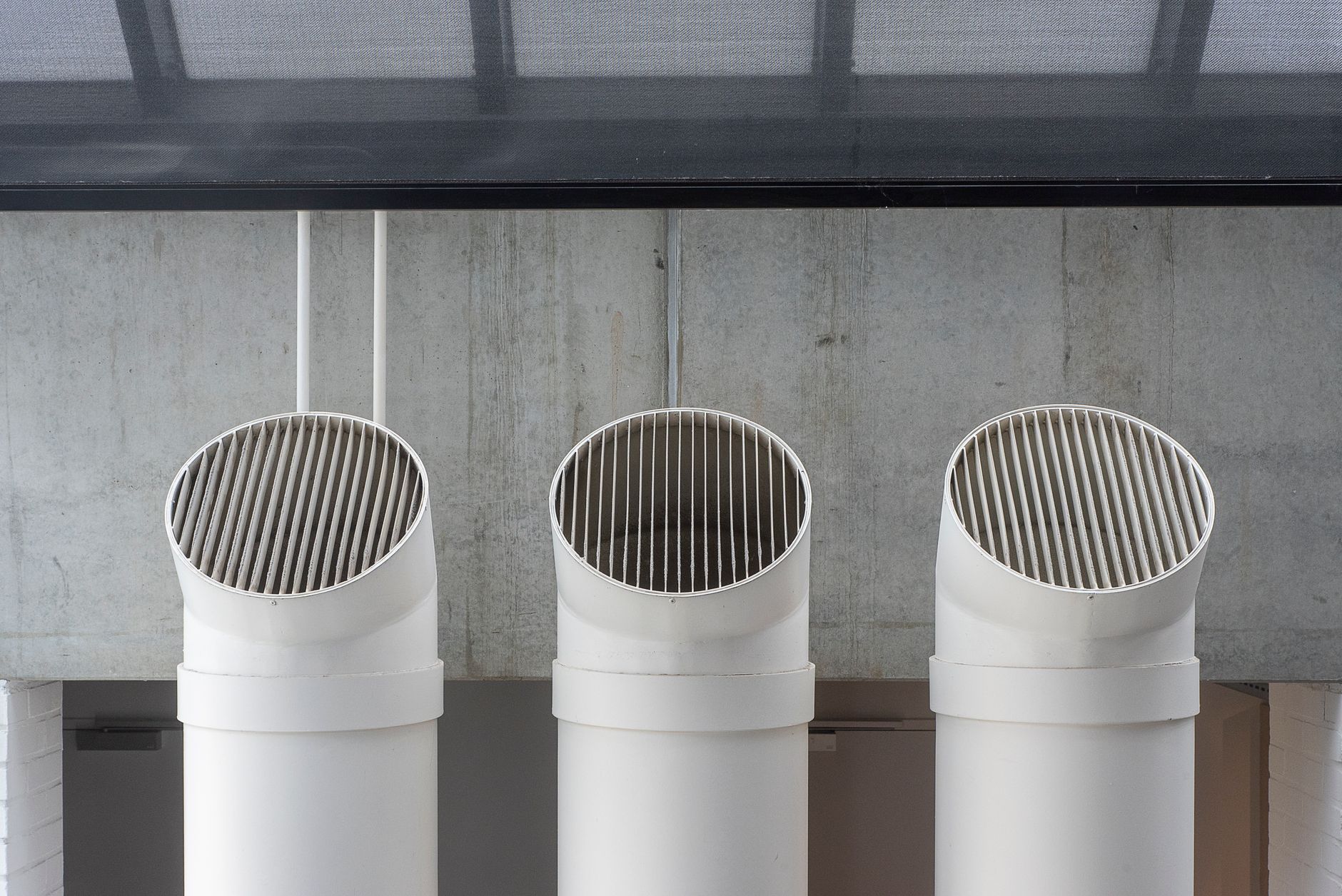
Professional air duct cleaning is usually the better choice for New Orleans homes because trained crews use the equipment, reach, and containment that a do-it-yourself effort cannot match. A surface vacuum may clear a register or two, but it rarely removes the dust, dander, and moisture deep inside the system. In our humid climate, a thorough professional cleaning protects both your air quality and your equipment.
At Big Easy Remediation, we get this question from homeowners all the time, especially after a humid summer or a long stretch of running the air conditioning. People want cleaner air without paying for something they could handle themselves with a shop vacuum and an afternoon.
The honest answer depends on what is actually in your ducts and how far it has spread. A light surface cleaning is one thing, but the dust, dander, and moisture that build up deep in a system are another problem entirely.
This guide breaks down where do-it-yourself cleaning helps, where it falls short, and when calling a professional is the smarter move. Contact us today to schedule a duct cleaning that reaches the parts a vacuum never will.
Is DIY or Professional Air Duct Cleaning Better?
For most New Orleans homes, professional air duct cleaning delivers the deeper, longer-lasting result, while do-it-yourself work is best for light upkeep between visits. The difference comes down to reach, equipment, and the ability to handle moisture and mold safely.
A homeowner can wipe down registers and vacuum the first few inches of a duct, and that genuinely helps with visible dust. The trouble is that the heaviest buildup sits far past where any household tool can reach, deep in the trunk lines and around the air handler.
In our climate, that hidden buildup often comes paired with humidity, which is where a surface cleaning falls short. A professional crew clears the full system and addresses the damp conditions that let dust turn into something worse.
As a rule of thumb, handle visible register dust yourself, but call a professional for odor, moisture, or buildup you cannot see.
What Does Air Duct Cleaning Actually Remove?
Air duct cleaning removes dust, pet dander, pollen, mold, and construction debris from the full system. What hides inside a typical duct run is rarely just dust.
Over months of running, a home’s ductwork collects a surprising mix of debris that recirculates every time the system kicks on. Clearing it out is what makes the air feel fresher and the system run cleaner.
- Dust and fine particles that settle along the duct walls and blow back into living spaces
- Pet dander and hair that trigger allergies and cling to interior surfaces
- Pollen and outdoor debris pulled in through returns during our long allergy seasons
- Mold and mildew that take hold wherever humidity and condensation collect
- Construction dust left behind after any remodeling or repair work
A quick vacuum at the register only touches the first item on that list. Reaching the dander, pollen, and especially the mold deeper in the system is where the real difference in air quality comes from.
What makes this mix matter so much is that the air handler pushes all of it back into your rooms every cycle. The same debris settles, gets stirred up, and recirculates until it is cleared out at the source rather than just brushed off the surface.
When Is DIY Air Duct Cleaning Enough?
Do-it-yourself cleaning is not useless, and we never tell homeowners otherwise. For routine upkeep, a careful hand can keep the visible parts of a system tidy between professional visits.
Light maintenance you can safely handle on your own includes a few straightforward tasks. None of them require special training, and all of them slow the rate at which dust builds back up.
- Replacing the air filter on schedule, which is the single best habit for cleaner air
- Vacuuming and wiping registers and the grilles that collect visible dust
- Cleaning the area around returns so debris is not pulled straight into the system
- Wiping down accessible vent covers that gather grime over time
These steps make a real difference in how a home feels day to day. What they cannot do is reach the deep buildup or address moisture, which is exactly where do-it-yourself effort runs out of road.
Where DIY Falls Short
The limits of do-it-yourself duct cleaning show up fast once you move past the registers. A household vacuum simply does not have the suction or the reach to clear a full duct run, so most of the debris stays put.
Without the right tools, it is also easy to do more harm than good. Pushing a brush into a duct can loosen dust and send it straight into your living space, leaving the air worse than before. Flexible and uninsulated ductwork tears easily, and a torn duct leaks conditioned air and invites even more dust.
There is a safety side to this as well. Disturbing mold without containment spreads spores through the home, and handling cleaning chemicals in a tight, enclosed space can cause real respiratory irritation. When the buildup is heavy or moisture is involved, the do-it-yourself approach often trades a small problem for a bigger one.
What Does Professional Air Duct Cleaning Include?
Professional air duct cleaning clears the entire system, from the registers through the trunk lines to the air handler, using high-powered equipment and trained technicians. The combination of skilled crews and purpose-built tools is what reaches the buildup a vacuum leaves behind.
Our crews use high-powered equipment that pulls debris from the full length of the ductwork, along with brushes and tools sized for the system itself. We work the trunk lines, the branch runs, and the area around the air handler, not just the registers.
Just as important, we look for the conditions that let buildup return. If we find signs of moisture or mold, we address the source rather than simply cleaning around it. That is the part a do-it-yourself effort almost always misses, and it is what keeps the results lasting longer than a single afternoon of vacuuming.
A thorough cleaning also gives us a chance to spot problems early, before they spread into a bigger repair. Loose connections, damp insulation, or the first signs of growth are far easier to handle when we catch them during a planned visit than after they have settled in.
DIY vs. Professional: A Side-by-Side Look
The table below puts the two approaches side by side on the points that matter most for a home. It lays out where each option stands when the choice feels close.
| Factor | DIY Cleaning | Professional Cleaning |
|---|---|---|
| Reach into the system | Registers and a few inches of duct | Full ductwork and air handler |
| Equipment | Household vacuum and cloths | High-powered vacuums and specialized brushes |
| Mold and moisture | Risk of spreading spores | Contained and treated at the source |
| Risk of damage | Easy to tear or dent ductwork | Trained handling protects the system |
| Lasting result | Short-term, surface only | Longer-lasting, whole-system |
For light upkeep, the do-it-yourself column is perfectly fine. When the goal is genuinely cleaner air and a healthier system, the professional column is where the real value sits.
Why Do New Orleans Homes Need Special Duct Care?
Few places put more strain on a duct system than southeast Louisiana. Our humidity rarely lets up, which means condensation can form inside ductwork and give mold the damp foothold it needs to grow.
Storm season adds another layer of risk. Heavy rain, flooding, and power outages can leave a home damp for days, and that moisture works its way into the air system along with everything else. Older New Orleans homes, with their original construction and tighter spaces, often have ductwork that traps humidity even more readily.
All of this means our local systems collect more than dust alone. Where a drier climate might let a homeowner stretch between cleanings, our conditions push hidden moisture and mold into the equation, which is exactly the situation a surface cleaning cannot solve.
Homes that have flooded before deserve extra scrutiny, because moisture can linger in ductwork long after the visible water is gone. If your system went through a storm or a backed-up line, it is wise to assume some dampness made its way inside and have it checked rather than guessed at.
The Cost Question: DIY vs. Professional
Cost is usually the reason homeowners lean toward doing the work themselves, and on paper a vacuum and a filter look far cheaper than a service call. The catch is what a do-it-yourself effort can cost you if it goes wrong.
A torn duct, a damaged air handler, or mold that gets spread instead of contained can turn a small job into an expensive repair. What looked like savings becomes a bill for fixing the system on top of cleaning it. Professional cleaning carries a higher upfront price, but it folds in the equipment, the expertise, and the safeguards that keep those mistakes from happening.
The final figure for a professional cleaning depends on the size of your home, the layout of the ductwork, how much buildup has accumulated, and whether moisture or mold is present. Because every system is different, the most reliable way to know is a free, no-obligation estimate after we have looked at yours.
Signs It Is Time to Call a Professional
Some duct problems are easy to live with, and some are signals that a surface cleaning will not cut it. Knowing the difference helps you decide when to pick up the phone.
A few clear signs point toward a professional cleaning rather than another pass with the vacuum. Each one points to a problem sitting deeper than a register wipe-down can fix.
- A musty smell that returns whenever the system runs, hinting at mold in the ducts
- Visible dust pushing out of the registers right after the air kicks on
- Allergy symptoms that worsen indoors and ease when you leave the house
- Recent flooding or water damage that may have left moisture in the system
- Years since the last cleaning, especially in an older or previously flooded home
If any of these sound familiar, the safest next step is a professional inspection. We can confirm what is actually in the system and clear it properly, rather than guessing from the registers.
How Duct Cleaning Connects to Healthier Air
Clean ductwork is only part of a healthy home, and it works best alongside the other surfaces that collect dust and moisture. A system that has just been cleaned still pulls air across carpets, floors, and walls every day.
That is why ductwork often pairs naturally with our broader cleaning services. If your floors and fabrics are holding allergens, our professional carpet cleaning helps stop them from circulating back into freshly cleaned air. When odors linger no matter what you try, our odor removal service gets to the root of it instead of masking it.
Treating the home as a whole is what keeps the air genuinely fresh. You can see our full range of air duct and HVAC cleaning and how each service supports cleaner, healthier indoor air.
Make the Right Call for Your Home
For routine upkeep, a careful do-it-yourself routine keeps the visible parts of your system tidy and your filter doing its job. When buildup runs deep or moisture enters the picture, professional cleaning is the choice that actually protects your air and your equipment.
If you are unsure which your home needs, the simplest move is to let us take a look and tell you straight. Call us today and let Big Easy Remediation keep your New Orleans home breathing clean, fresh air.
Common Questions
Frequently Asked Questions About Air Duct Cleaning
Can I clean my air ducts myself?
You can safely handle light upkeep yourself, such as replacing filters and vacuuming registers, and that does help with visible dust. The deeper buildup and any moisture or mold inside the system need professional equipment and containment, so those parts are best left to a trained crew.
How often should air ducts be cleaned in New Orleans?
Most homes benefit from a professional cleaning every few years, though our humidity and storm season can shorten that window. Homes with pets, allergy sufferers, recent flooding, or a musty smell from the vents often need attention sooner rather than waiting on a fixed schedule.
Does air duct cleaning really improve air quality?
Yes, clearing dust, dander, pollen, and mold from the system reduces what recirculates through your home every time the air runs. The improvement is most noticeable in homes with allergy sufferers, pets, or a history of moisture, where the buildup tends to be heaviest.
Is professional air duct cleaning worth the cost?
For most homes it is, because the price includes equipment and expertise that reach buildup a vacuum cannot, plus safeguards against damage. A do-it-yourself effort that tears a duct or spreads mold can cost far more to repair than a professional cleaning would have in the first place.
Can dirty air ducts cause mold in my home?
They can, because ductwork that traps moisture gives mold the damp surface it needs to grow and then spreads spores room to room. In our humid climate, condensation inside ducts is a common starting point, which is why we check for moisture as part of any cleaning.
What is the difference between DIY and professional duct cleaning?
Do-it-yourself cleaning reaches the registers and the first few inches of duct using a household vacuum. Professional cleaning clears the full system with high-powered equipment and trained technicians, and it addresses any moisture or mold at the source so the results last far longer.
Will cleaning my ducts help with allergies?
It often does, since ducts collect the pet dander, pollen, and dust that trigger allergy symptoms and then recirculate them through the home. Removing that buildup at the source means less of it blowing back into the rooms where your family spends the most time.
How do I know if my air ducts need cleaning?
Watch for a musty smell when the system runs, visible dust pushing from the registers, allergy symptoms that ease when you leave home, or a long gap since the last cleaning. Recent flooding or water damage is another strong reason to have the system inspected.
Need restoration help in New Orleans?
Same-day response to water, mold, fire, and cleaning emergencies across Greater New Orleans, with a written scope before any work begins.