
Commercial Fire Damage Restoration for New Orleans Businesses
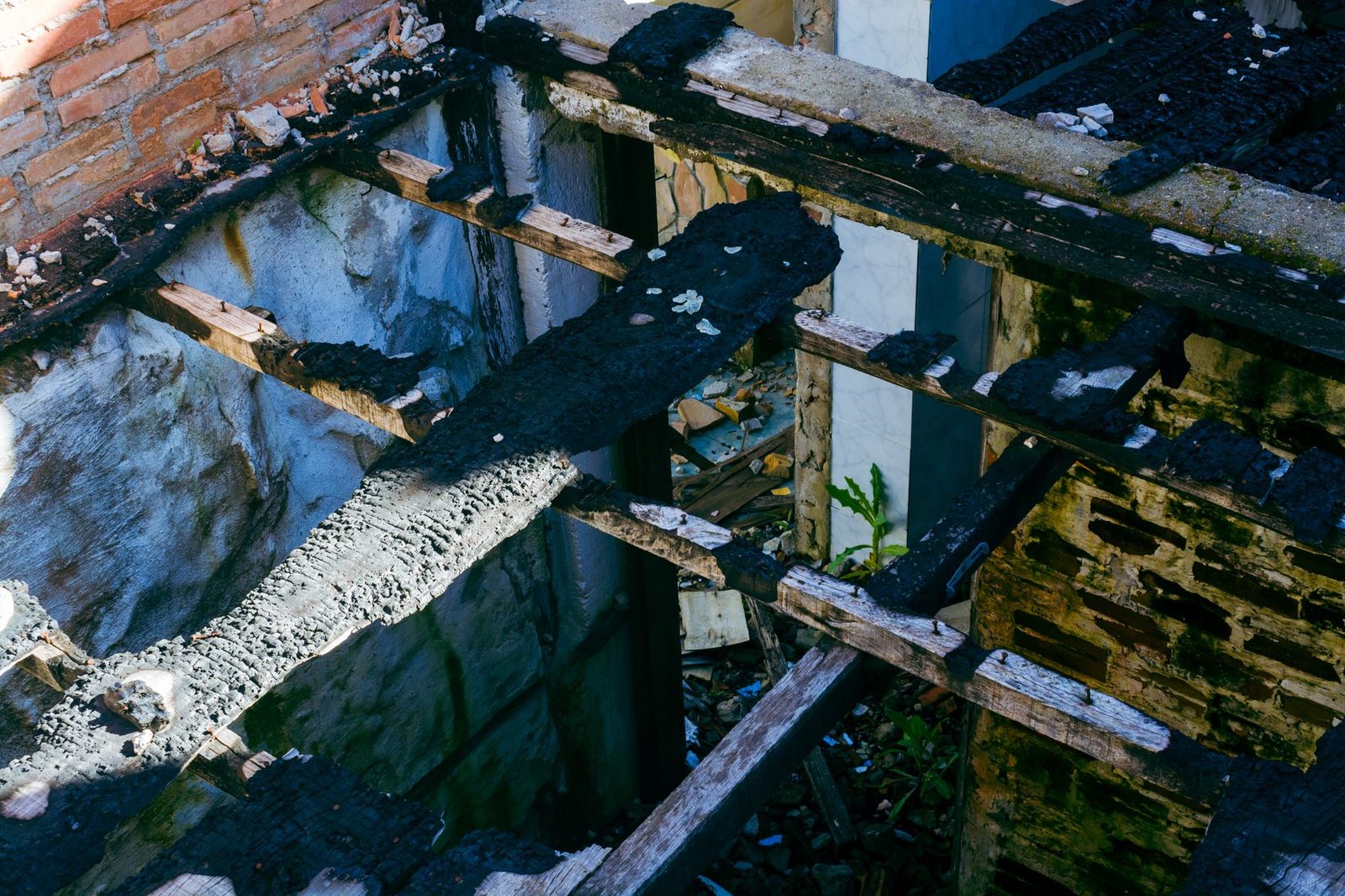
Commercial fire damage restoration in New Orleans follows a clear sequence: secure the property, document everything for insurance, remove water and soot, neutralize smoke odor, then rebuild affected areas. Acting in the first 24 to 48 hours limits secondary damage from corrosive residue and humidity. A certified team manages safety, structural drying, and air quality so a business can reopen sooner with full insurance documentation in hand.
At Big Easy Remediation, we know a fire does more than burn. It stops payroll, freezes inventory, and leaves you staring at a building you cannot safely enter.
The hours after the flames are out decide how much you recover and how fast you reopen. Soot keeps eating at metal and electronics, and trapped humidity feeds mold long after the smoke clears.
This guide walks through the recovery in the exact order it should happen for a New Orleans business. Contact us today to start an assessment of your commercial property.
Why Commercial Fire Damage in New Orleans Needs a Set Order
Commercial fire damage in New Orleans rarely behaves like a single problem. You face flame damage, water from suppression efforts, smoke that travels through ductwork, and a humid Gulf Coast climate that accelerates corrosion and mold. Tackling these out of order wastes effort and can reopen damage you already addressed.
A set sequence protects both the building and the insurance claim that funds the repair. Each phase preserves evidence for the next, so documentation stays intact and no step undoes another. Skipping the order, like painting over soot before odor removal, almost always forces a redo.
The steps below follow the IICRC restoration standards that guide our certified work. We move from safety and documentation through cleanup, deodorization, and reconstruction, with insurance support running alongside the whole way.
| Step | What Happens | Why It Matters |
|---|---|---|
| 1. Secure and assess | Board up, inspect, confirm safe entry | Prevents theft, weather damage, and injury |
| 2. Document for insurance | Photograph, inventory, write scope | Supports a complete, faster claim |
| 3. Remove water and debris | Extract water, dry structure, clear char | Stops mold and further corrosion |
| 4. Clean soot and residue | Treat surfaces, contents, and systems | Halts ongoing acidic damage |
| 5. Neutralize smoke odor | Clean ducts, treat air, seal surfaces | Removes odor at the source |
| 6. Repair and reopen | Rebuild, finish, final walkthrough | Returns the space to working order |
Secure the Property and Confirm Safe Entry First
Before anyone cleans a single surface, the building has to be stable and safe. A fire weakens structures, exposes live wiring, and leaves openings that invite weather and theft. The first step is always to secure the site and verify it can be entered.
Board Up Openings and Tarp the Roof
Fire and the suppression effort often leave broken windows, burned doors, and roof breaches. We board up openings and tarp damaged roofing right away to keep rain, wind, and intruders out. In a humid climate, an open roof can turn a fire loss into a water and mold loss within days. Securing the building first protects everything the later steps will work to save.
Shut Off Utilities and Check for Hazards
Damaged electrical, gas, and water lines are a serious risk after a fire. We confirm utilities are shut off or isolated and watch for hazards like compromised wiring, weakened floors, and slip risks from standing water. Only then does the property become a controlled work zone. This step protects your staff, our crew, and any insurance adjuster who needs access.
Walk the Site and Map the Damage
With the building secured, we walk every affected area and map the full scope. We note flame damage, water spread, smoke travel through walls and ductwork, and the condition of contents and equipment. This map drives the written scope of work, which you receive before we begin. Knowing the true extent up front prevents surprises and keeps the rest of the recovery on schedule.
Document Everything for the Insurance Claim
Insurance funds most commercial recovery, so documentation is not paperwork you do later. It happens before cleanup changes the scene. Thorough records protect your claim and speed the approvals that release funds for repair.
We build a documentation package as a standard part of every job. That package captures the condition of the property and contents before we begin restoring anything, which gives your adjuster a clear, defensible record. Each photo and inventory note becomes a reference point your insurer can rely on throughout the claim. We log the make and model of damaged equipment, tag salvageable contents separately from total losses, and time-stamp the record so the sequence of loss is never in question.
This is where working with a team that handles fire and smoke damage restoration pays off beside your insurer. We coordinate directly with adjusters, share our findings, and align the scope so the work and the claim match. Thorough, timely documentation strengthens a claim and speeds approvals, and our process is built around that reality. When a question on coverage comes up mid-project, an organized package answers it without stalling the repair.
Remove Water and Debris Before Cleaning
A fire scene is almost never dry. Sprinklers and hoses leave standing water, soaked materials, and saturated structure that must come out before any cleaning starts. Skip this and you trap moisture under fresh work, which feeds mold in a matter of days.
Extract Standing Water and Dry the Structure
We extract standing water, then run commercial drying equipment to pull moisture from floors, walls, and framing. The Environmental Protection Agency notes that wet materials can begin growing mold within 24 to 48 hours, which is why drying is urgent in our climate. In a region where outdoor humidity stays high for much of the year, indoor air will not dry a structure on its own, so controlled dehumidification and airflow do the work instead. Structural drying also stops warping, swelling, and the slow rot that follows a soaked subfloor, and only a properly dried building is ready for soot cleaning.
Remove Charred and Unsalvageable Materials
Some materials cannot be saved, and leaving them in place slows everything else. We remove charred drywall, ruined insulation, burned flooring, and any debris that holds odor or contamination. Clearing these out exposes the true condition of what remains and reduces the source of lingering smell. It also gives the cleaning and rebuild steps a clean surface to work from.
Separate Salvageable Contents for Treatment
Not every item touched by fire is a loss. We separate salvageable equipment, furniture, and inventory from total losses, then set the recoverable items aside for specialized treatment. This protects your business assets and keeps your claim accurate by distinguishing what can be restored from what must be replaced. Careful sorting at this stage often saves more than you expect.
Clean Soot and Smoke Residue From Every Surface
Soot is not just dirt. It is acidic, and it keeps damaging metal, electronics, glass, and finishes the longer it sits. Cleaning residue thoroughly, and using the right method for each surface, is the heart of commercial smoke damage recovery.
Match the Cleaning Method to the Residue
Different fires leave different residues. Dry, powdery soot, greasy smoke film, and protein residue from kitchen fires each call for a different approach. We identify the residue type first, then apply the correct cleaning method so we lift the soot instead of grinding it deeper. Using the wrong technique can set a stain permanently.
Treat Contents, Equipment, and Air Systems
Smoke travels far beyond the burn area. It settles on inventory, coats electronics, and pulls through your HVAC system into rooms the fire never reached. Our commercial fire and smoke cleanup treats contents, equipment, and air systems together so residue does not redistribute the day you reopen. Cleaning the ductwork is essential, because skipping it lets the system blow soot and odor right back through the space.
Protect Cleaned Areas From Recontamination
Once a zone is clean, it has to stay clean. We contain finished areas and control airflow so soot from active work zones does not drift back onto restored surfaces. This staged approach keeps progress moving forward instead of in circles. It also gives you reliable, room-by-room proof of completion for your records and your insurer.
Neutralize Smoke Odor at the Source in Your New Orleans Space
A building can look clean and still smell like the fire. Smoke odor hides in porous materials, ductwork, and hidden cavities, and it returns with heat and humidity if it is only masked. Real deodorization removes the source, it does not cover it.
We clean and treat the air handling system, apply professional deodorization to affected materials, and seal surfaces where odor has soaked in deep. Air scrubbing and source treatment work together so the smell does not creep back after the first humid week. Masking agents and air fresheners only delay the problem, so we skip them in favor of methods that address the cause. We also revisit the harder-to-reach voids where smoke tends to linger, because one missed cavity can undo the work everywhere else. The goal is a space that smells neutral on a hot New Orleans afternoon, not just on the day we finish.
Repair, Rebuild, and Reopen the Space
With the building clean, dry, and odor-free, the final step rebuilds what the fire took. This is the phase that turns a cleared shell back into a working business. Done in the right order, it moves quickly because every surface underneath is already sound.
Rebuild Structures and Finishes
We restore the damaged structure and finishes, from drywall and flooring to paint and fixtures. Because the earlier steps removed contamination and moisture, the rebuild goes onto clean, stable surfaces that will hold. This avoids the common mistake of finishing over hidden soot or damp framing. The result is repair that lasts, not a cosmetic patch that fails later.
Complete a Final Walkthrough and Air-Quality Check
Before you take the keys back, we walk the property with you to confirm the work matches the agreed scope. We verify cleaning, odor neutralization, and repairs together, and confirm the air systems are clean and clear. This walkthrough is your chance to flag anything before reopening day. It also closes out the documentation your insurer needs to finalize the claim.
Plan a Smooth Reopening
Reopening is more than unlocking the door. We coordinate the final steps so equipment, inventory areas, and customer-facing spaces are ready at the same time. Sequencing the last details keeps your reopening clean and confident instead of rushed. A planned handoff protects the reputation you have built with your customers.
Get Your New Orleans Business Back to Work
Fire recovery rewards speed and order, and the businesses that reopen fastest are the ones that move through these steps without skipping or reversing them. As an IICRC-certified, licensed, and insured local team, we manage every phase from securing the building to the final walkthrough, with insurance documentation built in at each stage.
Your building does not have to sit idle while soot keeps doing damage, and at Big Easy Remediation we are ready to move the moment you call. Call us today to start your commercial fire damage recovery and get your doors open again.