
Commercial Air Duct and HVAC Cleaning for New Orleans Businesses
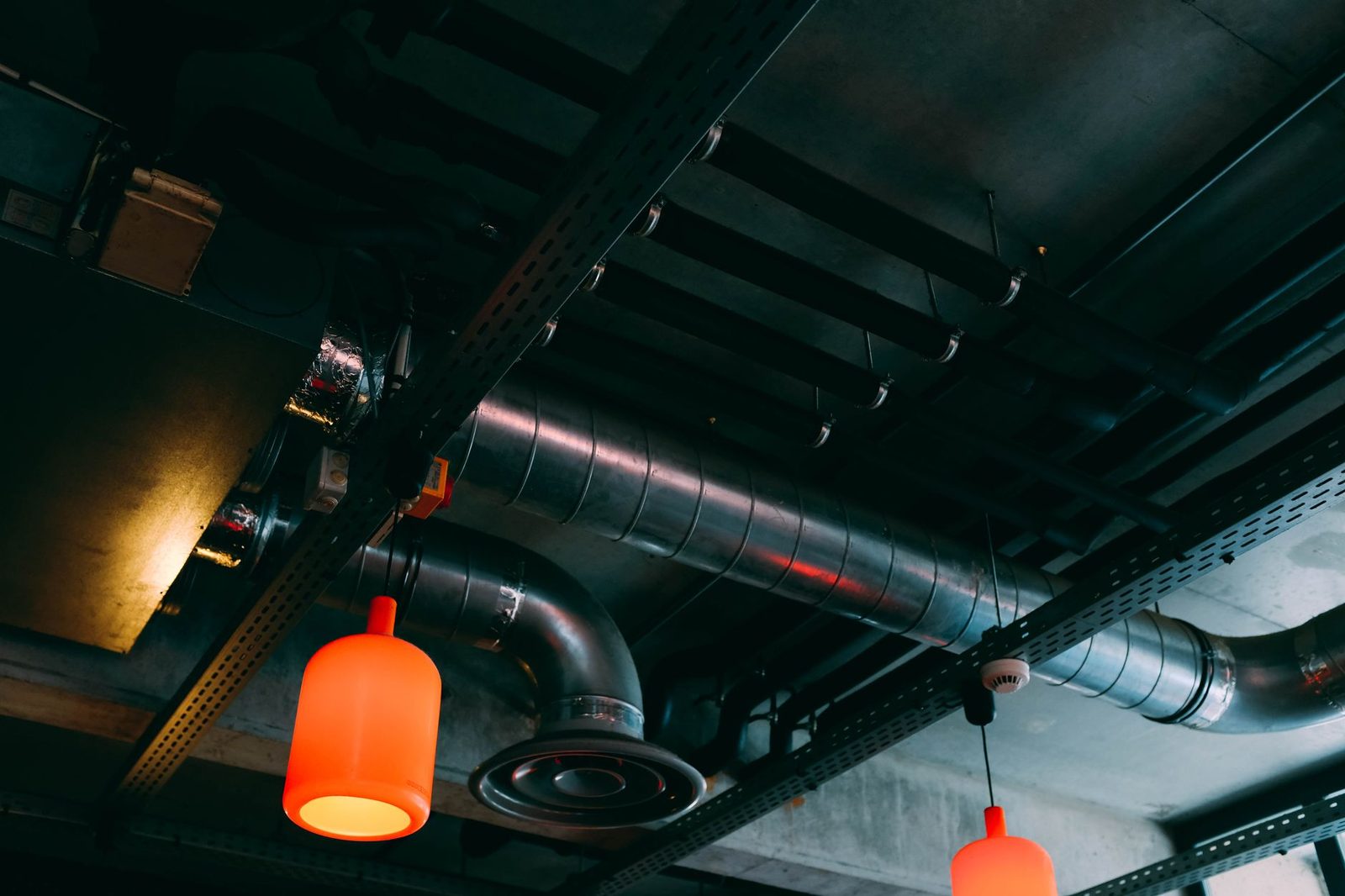
Commercial air duct cleaning in New Orleans follows a clear order: inspect the system, contain the workspace, agitate and extract debris from the supply and return ducts, clean the air handler and coils, sanitize where needed, then verify results. In a humid Gulf Coast climate, this process removes built-up dust, mold growth, and moisture-fed contaminants so a business gets cleaner air and a more efficient HVAC system.
Running a business in this region means managing air that stays warm and humid for most of the year. That same moisture settles inside duct systems, where dust, debris, and microbial growth collect out of sight and circulate through every room.
At Big Easy Remediation, we clean commercial HVAC systems using a defined, repeatable process built for Gulf Coast conditions. We work as a local, IICRC-certified team that documents every step so owners and facility managers know exactly what was done.
This guide walks through the full procedure we follow on commercial properties. Contact us today to schedule an inspection and get your building’s ducts on a clean, documented maintenance path.
Why Commercial Air Duct Cleaning Matters in New Orleans
Commercial air duct cleaning in New Orleans carries weight that drier climates do not face. The combination of long cooling seasons, high humidity, and frequent air conditioning use keeps moisture moving through ductwork nearly year-round.
When moisture meets the dust already inside a duct, it creates conditions where mold and bacteria can establish. The EPA’s guidance on air duct cleaning recommends cleaning when there is visible mold growth, vermin, or heavy debris clogging the system, rather than on a fixed schedule.
For a business, the stakes are higher than at home. Staff spend full shifts indoors, customers judge comfort the moment they walk in, and a struggling system raises energy use across a larger footprint.
A clean, well-maintained system supports better air quality and steadier performance through our hot, humid stretch. It also protects the equipment itself, since debris and standing moisture force a system to work harder than it should.
Step 1: Inspect the System Before Any Work Begins
We start every commercial job with a full inspection of the HVAC system and ductwork. This tells us the layout, the level of accumulation, and whether moisture or microbial growth is present before any cleaning begins.
During this stage we open access points, examine supply and return ducts, and check the air handler, coils, and drain pan. We look for standing water, visible mold, pest activity, and debris loads that point to bigger problems. In older New Orleans buildings, we also note duct runs that pass through unconditioned attics or crawl spaces, where heat and humidity speed up buildup.
The inspection drives the written scope of work we deliver before the job starts. That scope tells you what we found, what we will clean, and what the system needs, so there are no surprises once our team is on site.
Step 2: Contain the Workspace and Protect the Building
Before we disturb any debris, we contain the work area so contaminants do not spread into occupied space. Commercial buildings often keep operating during service, which makes containment essential rather than optional.
We seal off the sections being cleaned, protect nearby surfaces, and set up controlled airflow so dislodged particles move toward our equipment instead of into the room. This keeps dust and microbial matter from settling onto desks, inventory, or kitchen surfaces. In a kitchen or medical setting, that separation matters even more, since loose debris can land on food-prep areas or sensitive equipment.
Containment also protects your staff and customers during the work. A clean perimeter means a business can often stay open while we handle the ducts section by section, with each zone resealed before we move to the next.
Step 3: Agitate and Extract Debris From the Ducts
This is the core of any commercial cleaning services engagement: loosening the debris inside the ducts and pulling it out. We use agitation tools to break material free from duct walls, then capture it with high-powered extraction.
The goal is to move material out of the system entirely, not just push it around. Our extraction equipment draws loosened dust, dander, and grime into contained collection rather than releasing it back into the airflow. In humid conditions, that captured debris is often damp and clings to duct walls, so thorough agitation matters more here than in a dry climate.
We work the supply side and the return side separately because they collect different loads. Return ducts often hold the heaviest dust, while supply ducts can carry whatever the air handler has been pushing through the building.
Step 4: Clean the Air Handler, Coils, and Core Components
The duct runs are only part of the system. The air handler, blower, evaporator coils, and drain pan all collect grime, and skipping them leaves a source of contaminants behind.
In our humid climate, evaporator coils and drain pans are prime spots for moisture and microbial growth. We clean these components so the heart of the system is as clean as the ducts feeding off it. The table below shows the core components we address and why each one matters in a commercial setting.
| Component | What We Clean | Why It Matters Here |
|---|---|---|
| Supply and return ducts | Agitate and extract dust and debris | Carries air to every room in the building |
| Evaporator coils | Remove accumulation and grime | Humidity makes coils a magnet for moisture and growth |
| Drain pan | Clear standing water and residue | Pooled water feeds mold and bacteria |
| Blower and air handler | Clean fan and housing | A dirty blower pushes contaminants system wide |
Step 5: Sanitize and Address Moisture Where Needed
Once the system is physically clean, we evaluate whether sanitation is warranted. Not every job needs it, and we do not apply treatments as a default. We base the decision on what the inspection and cleaning revealed.
When microbial growth or odor is present, we apply appropriate treatments to the affected components. This step targets the biological side of the problem rather than just the visible dust, which matters in a region where humidity keeps feeding growth long after the visible debris is gone.
We also flag any moisture source we find, such as a leaking drain pan, a clogged condensate line, or high indoor humidity. A clean duct that sits above a standing-water problem will dirty the system again, so we tell you what needs attention beyond the cleaning itself.
Step 6: Verify Results and Document the Job
The final step is verification. We re-inspect the cleaned components, confirm debris has been removed, and check that the system is ready to run clean.
Documentation is part of how we close out every commercial job. We provide a record of the work performed, which gives owners and facility managers a clear paper trail for their maintenance history and for any insurance or compliance needs. For owners who file claims, that written record pairs naturally with the insurance documentation package we prepare on restoration work.
This closeout matters most for businesses that need to show due diligence on air quality. A documented cleaning is evidence that the system was serviced properly, not just visited.
How Often Commercial Systems Need This in Our Climate
There is no single schedule that fits every commercial building. Frequency depends on the type of business, the air load, and how hard the system works in our long cooling season.
A restaurant kitchen with grease in the air, a medical office with strict air standards, and a warehouse with heavy dust all sit on different timelines. The EPA recommends cleaning ducts when buildup, mold, or pests are present rather than on a fixed calendar, so an inspection is the right way to set your interval. A kitchen system running heat and grease most of the day will usually reach that point faster than a quiet office on the same block.
Our humid environment generally pushes commercial systems toward more frequent attention than the same building would need in a dry climate. We help you set a realistic interval based on what your system actually collects.
What Sets Professional Commercial Cleaning Apart
A commercial HVAC system is larger and more complex than a residential one, which is why commercial air duct and HVAC cleaning calls for trained crews and contained processes. Cutting corners on a building-scale system spreads contaminants instead of removing them.
As an IICRC-certified, licensed, and insured team, we bring the equipment and the process to handle full commercial systems safely. We are local to New Orleans, so we understand how this climate works against duct systems and plan for it. As a DKI Network member, we also draw on a wider base of restoration standards when a job calls for it.
Professional work also means accountability. The written scope before the job and the documentation after it give you a clear before and after, which is something a quick wipe-down can never provide.
Schedule Your Commercial Duct Cleaning Today
A commercial HVAC system that runs clean supports better air, steadier performance, and a healthier space for everyone inside it. At Big Easy Remediation, we bring a defined process, certified crews, and full documentation to every commercial property across Greater New Orleans.
If your building’s ducts are overdue for attention, the next step is a simple inspection that sets your maintenance path. Call us today to book your commercial air duct cleaning and put your system on a clean, documented schedule.