
Assessing the Extent of Commercial Water Damage and What You Need to Know
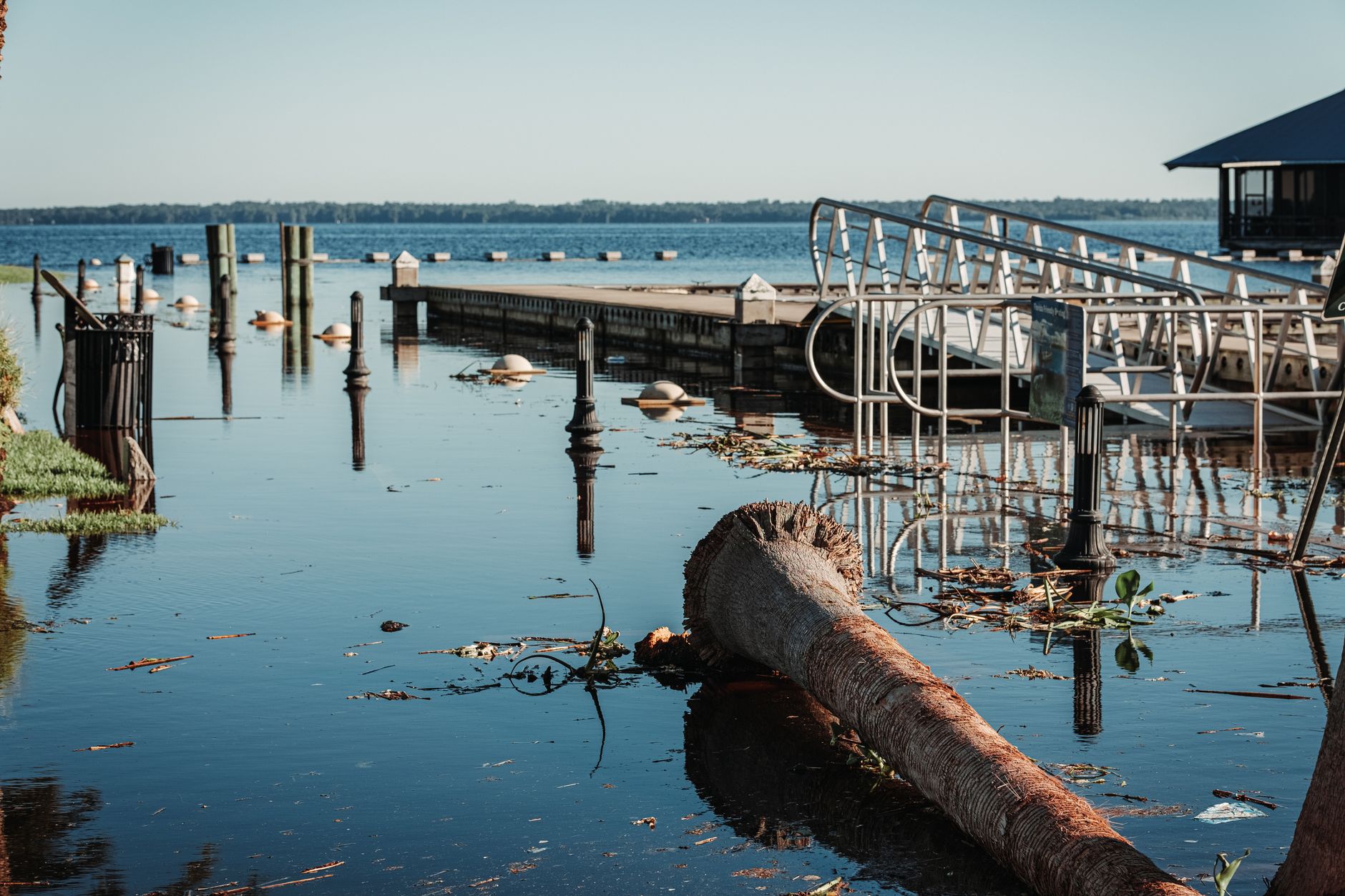
Assessing commercial water damage means tracing the source, measuring how far moisture has traveled, and checking which materials and systems it has reached. The longer water sits, the deeper the damage runs, so documenting everything and calling a restoration professional early protects your building, limits downtime, and keeps repair costs from climbing in our humid New Orleans climate.
At Big Easy Remediation, we know that water damage in a commercial building rarely looks as serious as it actually is. By the time a stain or a soggy carpet shows up, moisture has often spread far beyond the spot you can see.
A clear-eyed assessment is the first step toward a smart recovery, because you cannot fix what you have not measured. Knowing how to read the warning signs and how deep the damage goes keeps a manageable problem from becoming a shutdown.
This guide walks you through how to assess the full extent of commercial water damage and why fast, thorough action matters so much in our climate. Contact us today to schedule a professional assessment before hidden moisture turns into a costly repair.
What Does Assessing Commercial Water Damage Involve?
Commercial water damage assessment means finding where the water came from, tracking how far it has traveled, and identifying every material and system it has touched. A proper assessment looks past the visible mess to the moisture trapped inside walls, floors, and ceilings.
The goal is to build a complete picture before any repair begins. Surface drying alone often leaves moisture behind, and that hidden dampness is exactly what leads to mold, rot, and repeat damage down the road.
A thorough evaluation tells you the true scope of the job, which materials can be saved, and what needs to be removed. It also gives you a defensible record for an insurance claim, which matters far more for a commercial property than for a single home.
For an operating business, that picture drives decisions about safety, staffing, and how soon you can reopen the doors. Getting it right early is what keeps a water event from quietly compounding into something far larger and far more expensive than it first appeared.
What Factors Determine the Extent of the Damage?
No two water events are the same, and several factors decide how serious the damage becomes. Understanding them helps you gauge urgency the moment water appears.
The biggest variables we look at include:
- Source and duration of the water. A burst pipe, a roof leak, and a flood each behave differently, and every hour of exposure lets water spread and soak in further.
- The materials in the building. Porous surfaces like drywall, carpet, and ceiling tile absorb water fast, while cracks and gaps let it travel into hidden spaces.
- The volume and category of water. A small clean-water leak is far simpler than widespread flooding or water carrying contaminants.
- Climate and location. Heavy rainfall, high humidity, and hurricane season all raise the stakes for buildings across our region.
Each of these factors stacks on the others, which is why a leak that seems minor can still call for a full professional assessment. Reading them early helps you decide how fast to act.
How to Spot Water Damage on a Commercial Property
Catching water damage early starts with knowing what to look for, since the clearest clues are not always the obvious ones. A walkthrough that checks every floor, ceiling, and tucked-away corner often turns up problems a quick glance would miss.
Visible Stains and Discoloration
Yellow or brown stains, peeling paint, and bubbling wallpaper on walls and ceilings are some of the first visible signs of water intrusion. They show that moisture has been present, even if the original leak has already stopped.
These marks tend to appear wherever water pools or drains, such as beneath windows, around plumbing, and along ceiling seams. They often spread outward over time, so a stain that looked small last week may have widened by the time you take a closer look.
When you spot them, treat them as the visible edge of a problem that usually runs deeper than the surface stain. The material behind a discolored wall or ceiling is frequently far wetter than the paint suggests, which is why a meter reading tells you more than your eyes can.
Musty Odors and Early Mold
A persistent musty smell is one of the strongest signals of trapped moisture, often showing up before any visible growth. That stale odor usually means water has settled somewhere out of sight and started to feed mold.
In our humid climate, mold can begin growing within 24 to 48 hours of water exposure, a window widely cited in restoration industry guidance, so a musty room is a reason to act quickly. The smell often grows stronger near the source, which can help point toward where the trapped moisture is hiding.
If the odor keeps returning after cleaning and airing out the space, hidden moisture is almost certainly the cause. Inside a busy storefront or office, that lingering smell can also reach customers and staff long before any damage is visible, making it an early signal worth taking seriously.
Structural and Surface Changes
Warped or buckling floors, sagging ceilings, and waterlogged carpet all point to significant water that has had time to spread. These changes mean moisture has reached the materials that hold your building together.
Doors and windows that suddenly stick, soft spots underfoot, and swelling baseboards are quieter versions of the same warning. Each one points to water that has already been absorbed by the materials around it rather than sitting on top of them.
Any of these signs means the damage has moved past the surface and needs a closer professional look. In a building with heavy daily foot traffic, catching these structural clues early also helps you keep the space safe for staff and customers while repairs are planned.
The Steps in a Proper Water Damage Evaluation
A thorough evaluation follows a clear order so nothing gets missed. Each step builds on the last to give you an accurate picture of the damage and a defensible record for insurance.
The core steps we work through include:
1. Document everything first. Photograph and note all visible damage before anything is moved or cleaned, which safeguards your insurance claim.
2. Map the moisture. Use moisture meters and inspection tools to measure dampness inside walls, floors, and ceilings, not just on the surface.
3. Identify the source. Trace the water back to its origin so the underlying problem gets fixed, not just the symptoms.
4. Prepare a findings report. Record the scope, the likely cause, and the affected materials in one clear summary.
5. Bring in a restoration professional. Choose an experienced team to confirm the scope and carry out the work safely.
Working through these in order keeps the assessment objective and complete. It also gives everyone, from owners to insurers, the same accurate starting point to work from.
Skipping a step tends to create blind spots later, such as a hidden pocket of moisture that surfaces weeks after the visible repairs are done. A disciplined sequence is what turns a stressful water event into a clear, manageable plan with no surprises waiting behind the walls.
Why Immediate Cleanup and Mitigation Matter
The single biggest factor in how much water damage costs is how quickly it gets addressed. Every hour that water sits, it spreads farther, soaks deeper, and creates more material that has to be removed rather than dried.
Prompt mitigation stops that progression. Removing standing water, pulling out saturated materials, and drying the structure fast keeps the damage from compounding and sharply lowers the odds of mold taking hold.
For an operating business, fast action also limits how long operations are disrupted, which often matters as much as the repair bill itself. The sooner the assessment and cleanup begin, the sooner you can give staff and customers a clear answer on when the doors reopen.
Waiting to see if things dry out on their own is the costliest choice you can make. In our wet New Orleans conditions, surfaces rarely dry quickly enough, so professional drying is what truly protects the building.
Assessing the Impact on Belongings and Equipment
Water damage assessment goes beyond the building itself to everything inside it. Inventory, furniture, electronics, and equipment can all be affected, and each item needs its own judgment on whether it can be restored or has to be replaced.
The category of water matters here too, since water carrying contaminants can make porous items unsafe to keep. Soft goods like upholstered furniture, paper records, and stock that has absorbed dirty water often cannot be salvaged, while sealed equipment may be recoverable with prompt attention.
Documenting the condition of every affected asset, just as you do with the structure, gives you an accurate loss total and a stronger insurance claim. Sorting salvageable items from total losses early also helps you plan how soon normal operations can resume and what you need to replace before reopening.
Estimating the Overall Cost of Recovery
The full cost of a commercial water event is the sum of several moving parts, not a single number. Understanding what drives it helps you plan realistically and avoid surprises midway through the work.
The main cost factors break down as follows:
| Cost Factor | What It Covers | Why It Varies |
|---|---|---|
| Water removal and drying | Extraction, dehumidification, and structural drying | Depends on water volume and how long it sat |
| Material repair and replacement | Drywall, flooring, ceilings, and insulation | Depends on how far moisture spread |
| Contents and equipment | Inventory, furniture, and electronics | Depends on water category and salvage options |
| Business downtime | Lost operating time during recovery | Depends on how fast cleanup begins |
Because these factors compound when water is left untreated, an early assessment is the most reliable way to keep the total manageable. We handle the full scope of commercial water damage restoration so the cleanup, drying, and repair stay coordinated under one plan.
Why Water Damage Hits Commercial Buildings Harder in New Orleans
Few regions test a building against water the way southeast Louisiana does. Our humidity rarely drops for long, summer storms drive rain into roofs and walls, and a single hurricane season can leave properties damp for weeks.
Several local conditions make commercial water damage spread faster and reach further here than in drier parts of the country:
- Year-round humidity that keeps materials damp and slows natural drying
- Heavy rainfall and storm surge that can overwhelm roofs, drains, and foundations
- Aging buildings with original materials that absorb and hold water readily
- Low elevation and flood exposure that put many properties at ongoing risk
Each of these gives water a head start, which is why local commercial properties need faster assessment and response than a generic timeline would suggest. Building that urgency into your plan is one of the smartest protections you can put in place.
Whether the damage hits a storefront, an office, or a residential property nearby, the assessment principles stay the same, and you can see the full range of our water damage restoration services for how we approach each one. We have been providing quality services to homeowners for over a decade, so we trace the source, measure the spread, and dry the structure so the same water event does not return through a problem left unaddressed.
Handle Commercial Water Damage Before It Spreads
A water event in a commercial building only gets more expensive the longer it waits, and the damage you can see is rarely the full story. Acting quickly on a clear, professional assessment is what keeps a manageable problem from turning into a major shutdown.
If your property has taken on water, the safest next step is a thorough evaluation before the moisture spreads any further. Call us today and let Big Easy Remediation assess the full extent of the damage and protect your New Orleans property.
Common Questions
Frequently Asked Questions About Commercial Water Damage Assessment
What does a commercial water damage assessment involve?
A commercial water damage assessment traces the source, measures how far moisture has spread inside walls, floors, and ceilings, and identifies which materials are affected. The true extent is usually larger than it looks, so the assessment uses moisture meters and inspection tools to reveal the real scope rather than guessing from surface stains alone.
What should I do first when I find water damage in my building?
Document everything with photos and notes before moving or cleaning anything, since that record protects your insurance claim. Then address the moisture source if you safely can, limit access to the area, and call a restoration professional to assess the full extent right away.
How quickly does water damage get worse?
Water damage compounds by the hour, spreading deeper into materials the longer it sits. In our humid climate, mold can begin growing within 24 to 48 hours of exposure, which is why fast extraction and drying make such a large difference in both cost and outcome.
Can I just dry out the building myself?
Surface drying often leaves moisture trapped inside walls and floors, and that hidden dampness leads to mold and rot. Professional drying uses commercial equipment and moisture readings to confirm the structure is truly dry, which is difficult to achieve with household tools.
Does water damage always lead to mold?
Not always, but the risk climbs sharply the longer materials stay wet, and warm, damp conditions accelerate it. Prompt water removal and thorough drying are the most effective ways to prevent mold from developing.
What factors affect the cost of commercial water restoration?
Cost depends on how much water was involved, how long it sat, how far it spread, and which materials and equipment were affected. Business downtime also adds up, so an early assessment that limits the spread is the most reliable way to control the total.
Should I document the damage for insurance before cleanup?
Yes, always document the damage with photographs and written notes before anything is moved or cleaned. A clear record of the original condition, the affected areas, and the likely cause strengthens your insurance claim and gives your restoration team an accurate starting point.
Why is commercial water damage worse in New Orleans?
Our high humidity, frequent storms, and aging building stock give water more ways to spread and less chance to dry. Low elevation and flood exposure add to the risk, so local commercial properties often need faster assessment and response than buildings in drier regions.
Need restoration help in New Orleans?
Same-day response to water, mold, fire, and cleaning emergencies across Greater New Orleans, with a written scope before any work begins.