
What to Do in the First 24 Hours After a House Fire
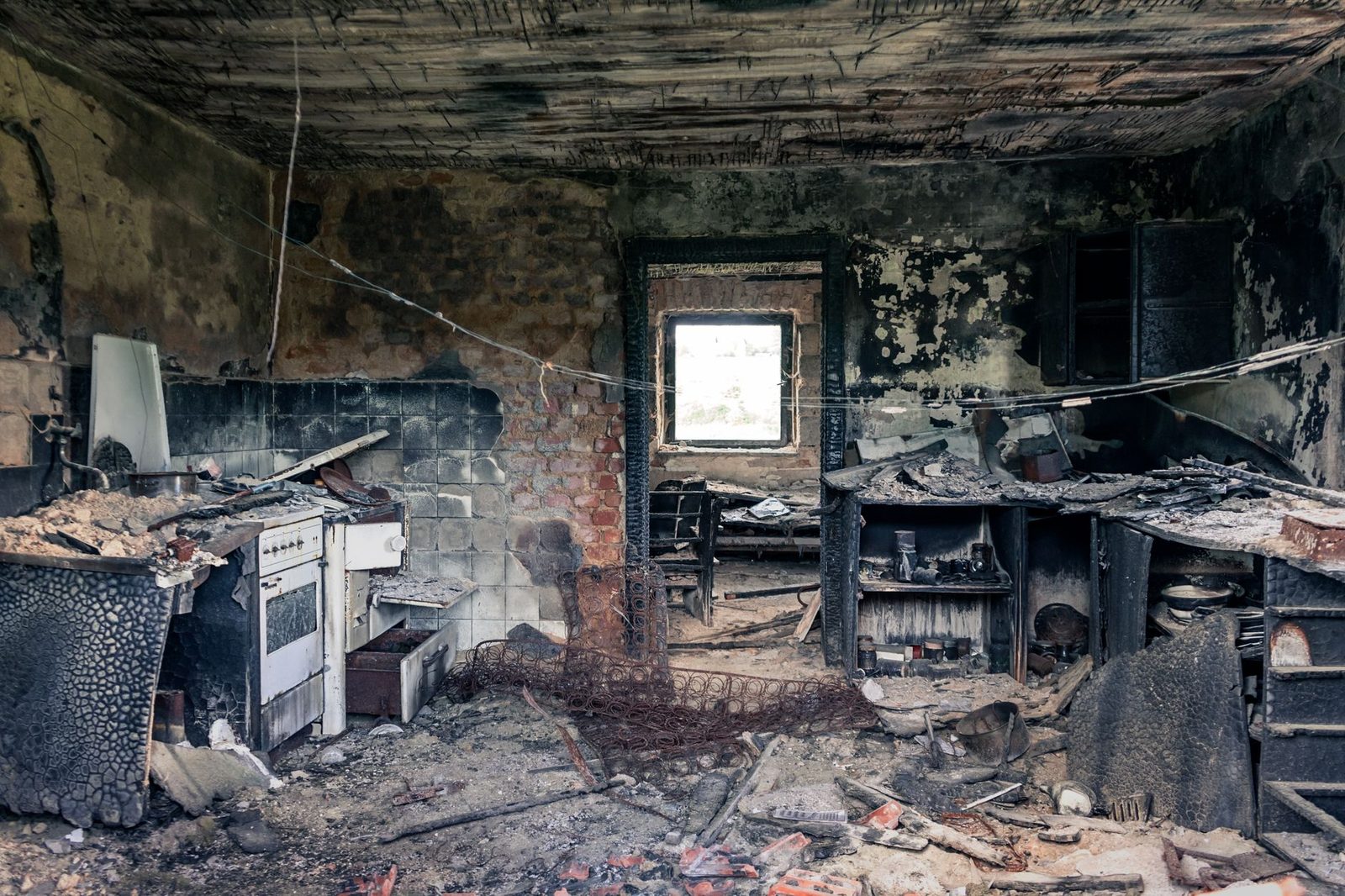
After a house fire in New Orleans, knowing what to do after house fire damage starts with safety: stay out until the fire department clears the structure, call your insurance company to open a claim, and secure the property against weather and intruders. In the first 24 hours, document the damage with photos, recover only what is safe to grab, and call a certified restoration team to halt smoke and soot before they cause permanent loss.
At Big Easy Remediation, we have helped New Orleans families through the first day after a fire. We know the hours right after the flames go out bring fast, unfamiliar decisions about safety, insurance, and what to save.
This guide spells out what to do after house fire damage strikes, step by step, in the order those steps matter. We have built it for residents across Orleans, Jefferson, and St. Tammany who need a clear plan, not a lecture.
The first 24 hours set the tone for your entire recovery, both for your safety and your insurance claim. Contact us today to start your fire cleanup with a certified local team on your side.
Make Safety Your First Move
Before anything else, protect the people who matter most. A house fire leaves behind hazards that you cannot always see, and the time to be careful is now, not later.
Stay out of the home until the fire department tells you the structure is safe to enter. Even after flames are out, hidden heat, weakened floors, and toxic air can put you in danger. Account for every family member and pet, and seek medical attention for anyone who inhaled smoke, even if they feel fine.
If you smell gas or see exposed wiring, keep your distance and let utility crews handle it. Fire weakens framing, ceilings, and stairs in ways that are hard to spot, so treat the whole structure as unstable until a professional says otherwise. Resist the urge to grab a keepsake or check on a pet still inside, since a quick trip into an unstable home is how first-day injuries happen.
Many older New Orleans homes carry features that make this caution even more important. Raised piers, original wood framing, and decades-old wiring behind plaster walls can hide heat and structural weakness that are not obvious from the curb. Treat any soft or spongy floor as a warning sign and wait for clearance before trusting it with your weight.
What to Do After a House Fire in the First Hour
In the first hour, a few simple choices protect your health and your claim. The table below sorts the most common first-day actions into what helps and what hurts, so you can move with confidence even when your head is spinning.
| Situation | Do This | Avoid This |
|---|---|---|
| Entering the home | Wait for official clearance before going inside | Rushing in to grab belongings |
| Soot on walls and furniture | Leave it for trained cleaners | Wiping or scrubbing surfaces yourself |
| Power and gas | Keep utilities off until inspected | Flipping breakers or relighting pilots |
| Food and medicine near the fire | Throw out anything exposed to heat or smoke | Eating or using heat-exposed items |
| Damaged items | Photograph everything before moving it | Discarding items before documenting them |
According to the American Red Cross, families are urged not to enter a fire-damaged home until officials confirm it is safe. Following these simple rules keeps you healthy and keeps your insurance claim clean.
Call Your Insurance Company First
Once everyone is safe, your next call is to your insurance company. The sooner you open a claim, the sooner you can find out whether your policy covers temporary housing and access the funds to begin recovery.
Ask your insurer three things up front. First, ask what your policy covers for additional living expenses while you are out of the home. Second, ask what documentation they need from you to process the claim. Third, ask who they recommend or approve for cleanup and repairs.
Keep a running list of every conversation, including names, dates, and claim numbers. The Louisiana Department of Insurance encourages homeowners to report losses promptly and keep detailed records, since a well-organized file moves your claim along faster and reduces disputes later.
If firefighters had to shut off your gas or water at the main, note that as well, because your adjuster will want to know which utilities were disconnected and when. In many older homes here, the main water shutoff sits at a curb box near the street rather than inside, so tell your insurer if you could not reach it safely.
Document the Damage Before You Touch Anything
Your insurance settlement depends heavily on proof, and the first 24 hours are when that proof is freshest. Walk the property with your phone and capture as much as you safely can before cleanup begins.
Photograph Every Room and Surface
Take wide shots of each room, then close-ups of damaged walls, ceilings, floors, and furniture. Capture soot patterns, water lines from firefighting, and any structural cracks. Err on the side of too many images, since you cannot recreate the scene once cleanup starts.
Make a Written Inventory of Losses
List damaged and destroyed items room by room, with rough descriptions and quantities. Note brand names where you remember them. This inventory becomes the backbone of your claim and helps you avoid leaving money on the table.
Save Receipts From the Start
Keep every receipt tied to the fire, from a hotel stay to replacement clothing to a tarp from the hardware store. These costs often fall under your policy, but only if you can prove them. A simple folder or phone album keeps them in one place.
Hold Onto Damaged Items When You Can
Do not throw out fire-damaged belongings until your insurer signs off. Adjusters often want to see the actual items, and tossing them early can shrink your payout. Set damaged goods aside in a safe, dry spot if the structure allows.
Secure the Property Against More Damage
A fire-damaged home is exposed, and the damage does not stop when the flames do. Broken windows, burned-through roofs, and unlocked doors invite rain, pests, and theft, so securing the property is a first-day priority.
Board up shattered windows and openings, and cover roof breaches with tarps to keep New Orleans rain out. Lock every door that still functions, and move valuables you can safely reach to a secure location. If the structure is unsafe, an emergency board-up service can secure the openings for you.
Most insurance policies require you to take reasonable steps to prevent further loss. Skipping this step can give an insurer grounds to deny part of your claim, so securing the structure protects both your property and your payout. In our humid climate, an open roof or window also lets moisture pour in fast, which can trigger mold growth on top of the fire damage you are already facing.
Time matters more here than in drier parts of the country. With humidity that often sits high for much of the year, firefighting water and outside moisture soak into drywall, subfloors, and insulation within a day, and saturated materials become mold-friendly long before they look dry. Closing the building envelope quickly is the single best way to keep a fire loss from turning into a combined fire, water, and mold problem.
Act Fast on Smoke and Soot Damage
Smoke and soot keep working long after the fire is out, and this is where waiting costs you the most. Acid in soot eats into metal, etches glass, and stains walls within hours, turning fixable damage into permanent loss.
The longer soot sits, the deeper it bonds with surfaces and the harder it becomes to remove. Porous materials like drywall, fabric, and wood absorb odor that grows stronger over days. This is why professional fire and smoke damage cleanup matters so much in the first day rather than the first week.
A certified team uses the right cleaning agents and equipment to halt this chain reaction before it sets in. Our crews match methods to each surface, which protects far more of your home than DIY scrubbing ever could.
Smoke also travels far beyond the room where the fire started. It rides air currents into closets, wall cavities, and ductwork, leaving residue and odor in spaces that looked untouched. That hidden spread is why a thorough first-day assessment checks the whole structure, not just the visibly burned area, before any cleaning plan is set.
Contact a Certified Restoration Team
By now you have handled safety, insurance, documentation, and security. The final first-day step is calling in professionals who can take the weight off your shoulders and start real recovery.
Look for a team that is IICRC certified, licensed, insured, and local to the Greater New Orleans area. A local crew knows our climate, our housing stock, and how humidity speeds up secondary damage. We provide a written scope of work before any job begins, so you know exactly what to expect.
Our fire and smoke damage restoration service also produces a documentation package built for your insurance claim. That paperwork, combined with the photos you took, gives your adjuster a clear, organized picture and helps your claim move without unnecessary friction.
As a DKI Network member with a local New Orleans team, we can mobilize for same-day emergency response and stay reachable through every stage of the job. Working with one accountable crew from board-up through final cleaning keeps your timeline tight and your records consistent, which matters when an adjuster is reviewing the file.
Take Care of Your Family Through the First Night
The first 24 hours are not only about the building. Your family needs a safe place to sleep, basic supplies, and a moment to breathe after a traumatic event.
If you cannot stay with friends or relatives, ask your insurer about additional living expense coverage for a hotel. Local disaster relief organizations like the American Red Cross can help with emergency lodging, food, and essentials when you have nowhere to turn. Replace critical medications and gather any documents you managed to save, such as identification, insurance papers, and birth certificates.
Give yourself and your children grace during this stretch. A fire is one of the most stressful events a household can face, and steady, simple decisions in the first day will carry you toward recovery. Keep a small notebook or a phone note where you log each call, each task, and each person who helps, so nothing slips through the cracks while you are running on adrenaline.
Lean on the people around you for the practical load, too. A neighbor can hold a spare key, a relative can store salvaged documents, and a friend can drive children to school while you handle adjusters and contractors. Spreading these small tasks out keeps you from carrying the entire first day alone and frees you to focus on the decisions only you can make.
Start Your Recovery With the Right Team
The first 24 hours after a fire are overwhelming, but you do not have to face them alone or guess at every step. At Big Easy Remediation, we guide New Orleans families from that first frightening hour through a full, documented recovery built around your safety and your insurance claim.
We bring IICRC-certified crews, a written scope of work, and an insurance documentation package to every job across Orleans, Jefferson, St. Tammany, and the surrounding parishes. Call us today to get a certified local team working on your home recovery right away.
Common Questions
Frequently Asked Questions About Fire and Smoke Damage in New Orleans
What should I do first after a house fire?
Get everyone out and call 911 if you have not already, then make sure each family member and pet is accounted for. Do not re-enter the structure until the fire department confirms it is safe. Once your family is safe, call your insurance company to open a claim and begin documenting the damage with photos.
How soon should I call my insurance company after a fire?
Call your insurance company as soon as your family is safe, ideally within the first 24 hours. Reporting the loss promptly opens your claim faster, helps you learn whether your policy covers temporary housing, and starts the documentation process. The Louisiana Department of Insurance encourages homeowners to report losses quickly and keep detailed records of every conversation.
Is it safe to go back inside my home after a fire?
No, not until the fire department clears the structure. Even after flames are out, hidden heat, weakened floors, toxic air, and exposed wiring create serious hazards. Wait for official approval before entering, and even then move carefully, since fire weakens framing and ceilings in ways that are hard to see from the ground.
Why is it important to clean up smoke and soot quickly?
Soot turns damaging within hours, so a fast response prevents permanent loss. Acidic residue settles into walls, metal, and glass, while porous materials like drywall and fabric trap odor that deepens over time. Acting in the first day rather than the first week protects far more of your home, which is why early professional cleaning matters.
Should I try to clean fire damage myself?
We recommend against it. Wiping soot can grind it deeper into surfaces and spread it to clean areas, while the wrong cleaning agents can set stains permanently. Improper handling of smoke residue also exposes you to harmful particles. A certified team uses surface-specific methods that protect your belongings and your health.
What should I throw away after a house fire?
Throw out any food, drinks, or medications exposed to heat, smoke, or firefighting water, since heat can spoil them even inside sealed packaging. Beyond that, do not discard damaged items until your insurer signs off. Adjusters often want to inspect belongings, and tossing them early can reduce your claim payout.
How do I protect my home from further damage after a fire?
Board up broken windows and openings, cover roof breaches with tarps, and lock every working door to keep out rain, pests, and intruders. Most policies require you to prevent further loss, so this step protects both your property and your claim. If the structure is unsafe, an emergency board-up service can secure the openings for you.
Does insurance cover fire damage restoration in New Orleans?
Most homeowners policies cover fire and smoke damage restoration, though coverage details vary by policy. Document everything thoroughly and keep all receipts, since proof drives your settlement. A restoration team that provides a written scope of work and an insurance documentation package makes the claim process smoother and helps your adjuster approve repairs faster.
Need restoration help in New Orleans?
Same-day response to water, mold, fire, and cleaning emergencies across Greater New Orleans, with a written scope before any work begins.