
Does Bleach Actually Kill Mold? The Honest Answer
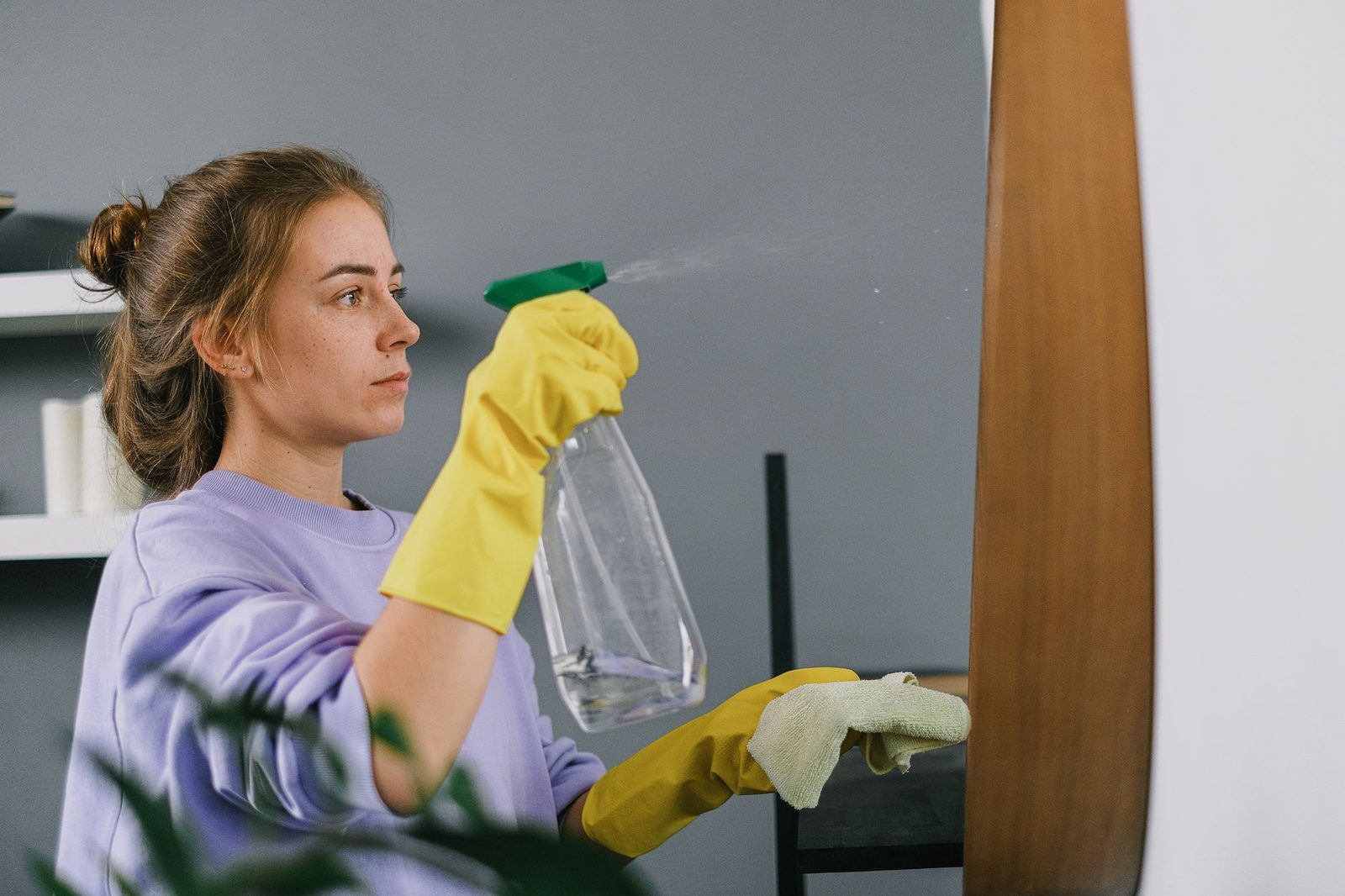
Bleach does not reliably kill mold on porous surfaces like drywall, wood, or grout. It can sanitize the visible surface of nonporous materials, but its water content soaks into porous materials and feeds the roots underneath, so the mold returns. In humid New Orleans homes, scrubbing bleach on a moldy wall usually treats the color, not the colony.
Reaching for bleach is almost everyone’s first instinct when they spot mold. At Big Easy Remediation, we get asked about it constantly, so here is the straight answer.
Bleach can have its place, but it is far less effective against household mold than most people assume. On the wrong surface, it can even leave you worse off than before.
Here is the honest truth about bleach and mold and what actually works. Contact us today if the mold keeps coming back.
The Short Answer
Bleach can kill some surface mold on hard, non-porous materials like glazed tile or glass. The problem is that most mold in a home grows on porous surfaces such as drywall, wood, and grout, and that is where bleach falls short. So while bleach is not useless, it is the wrong tool for the most common and most serious mold problems in a house.
Why Bleach Falls Short on Porous Surfaces
Mold sends root-like structures into porous materials, below the surface where you can see it. Bleach is mostly water and a small amount of active ingredient, and the water soaks into the material while the part that kills mold stays on top. The result is that the surface looks clean while the roots underneath survive and keep growing. In a humid New Orleans home, that leftover moisture can actually feed the mold you were trying to kill.
What Bleach Can and Cannot Do
Keeping its limits in mind helps you use it wisely.
- Can do: lighten surface stains on hard, non-porous surfaces like sealed tile and glass.
- Cannot do: reach mold roots inside drywall, wood, or grout.
- Cannot do: fix the moisture source that caused the mold.
- Risk: add moisture to porous materials and release spores into the air.
What Actually Works
Lasting results come from addressing the whole problem, not just the surface. That means correcting the moisture source, containing the area so spores do not spread, capturing airborne spores with HEPA filtration, and removing or properly treating affected materials. This is the difference between mold removal and true remediation, and it is why a quick wipe with bleach so often fails. You can read more on our mold remediation page.
When to Skip DIY and Call a Pro
If the mold covers a large area, keeps coming back, sits on a porous surface, or comes with a strong musty smell, it is time to bring in a professional. The same is true if anyone in the home has allergies or breathing concerns. Because mold is a moisture problem at its root, we also handle the underlying water issue the way we approach water damage restoration, so the growth does not simply return.
Get Mold Gone for Good
Bleach is not the mold solution most people hope it is, especially on the porous surfaces where mold does its real damage. Lasting results come from fixing the moisture and the growth together.
Big Easy Remediation handles the whole problem, source and all, so the mold stays gone. Call us today if cleaning has not made it stop coming back.
Common Questions
Frequently Asked Questions About Bleach and Mold
Does bleach kill mold?
It can kill some surface mold on hard, non-porous surfaces like glazed tile and glass. On porous materials such as drywall and wood, it does not reach the roots and is not effective.
Why does mold come back after I use bleach?
Because bleach leaves the mold roots and the moisture source untouched. The surface looks clean, but the growth underneath survives and returns.
Can bleach make mold worse?
On porous surfaces it can, because the water content soaks in and can feed the mold while the active ingredient stays on top. It can also send spores into the air.
What kills mold better than bleach?
Addressing the moisture source, containing the area, using HEPA filtration, and removing or treating affected materials. That combination is what actually stops mold from returning.
Is it safe to clean mold with bleach myself?
A small spot on a sealed, non-porous surface can sometimes be wiped, with good ventilation and protection. Larger or porous-surface mold needs professional handling.
Does vinegar work better than bleach on mold?
Vinegar can penetrate porous surfaces somewhat better than bleach, but neither addresses the moisture source or hidden growth, which is what real remediation handles.
When should I stop trying DIY and call a professional?
When mold covers a large area, keeps returning, sits on porous material, or comes with a strong musty smell, or when anyone in the home has health concerns.
Does Big Easy Remediation use bleach?
We use professional, situation-appropriate methods focused on the source and proper containment, not a quick bleach wipe that leaves the real problem in place.
Need restoration help in New Orleans?
Same-day response to water, mold, fire, and cleaning emergencies across Greater New Orleans, with a written scope before any work begins.