
Water Damage in Raised and Pier-and-Beam New Orleans Homes
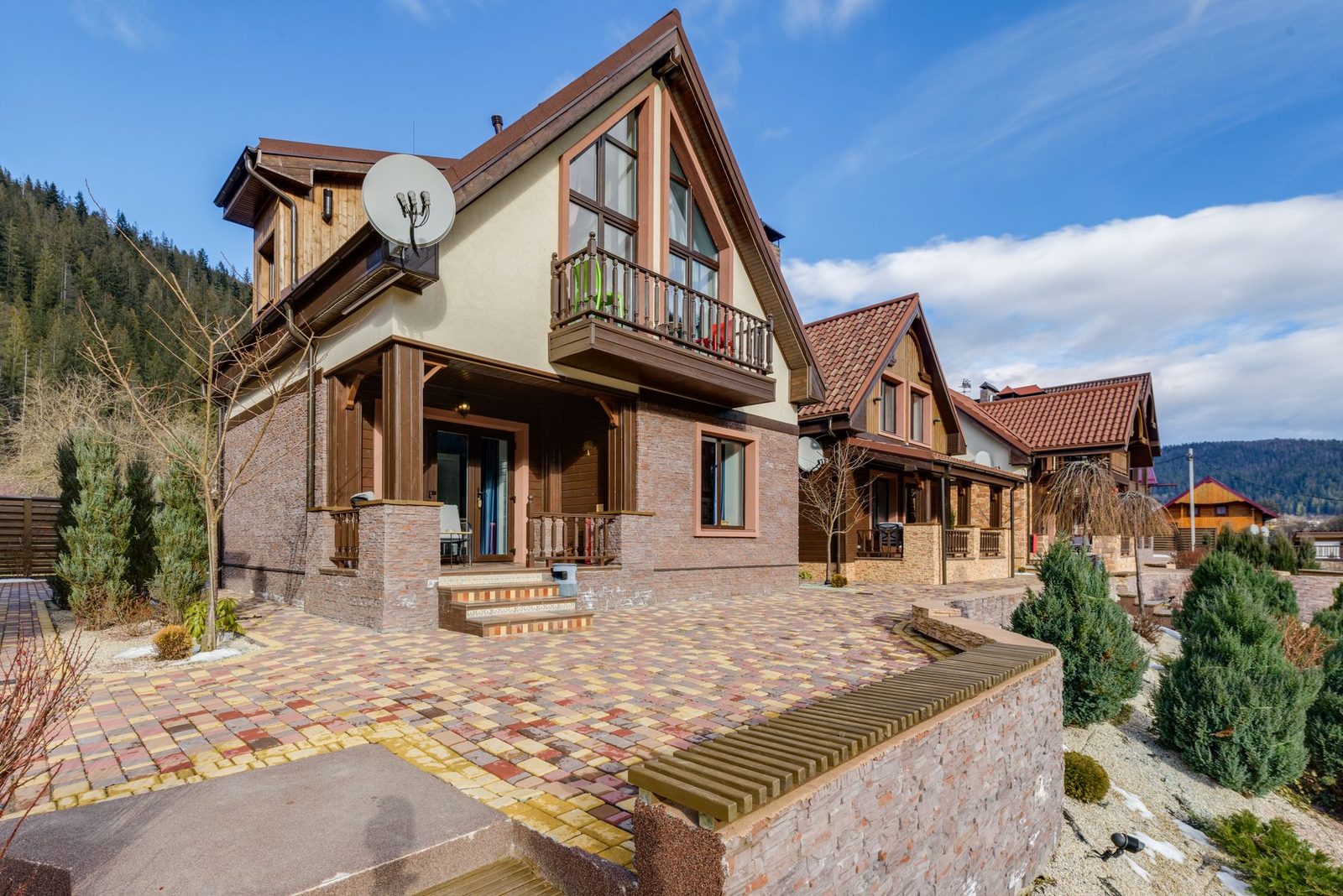
Raised and pier-and-beam New Orleans homes sit on an open crawl space that lifts the floor above wet ground, which protects against flooding but invites a slower problem: humid air, standing water, and poor drainage that rot floor joists and feed mold from below. Watch for sagging floors, musty smells, and damp insulation. Early inspection and proper drying stop hidden structural and air-quality damage before it spreads upward.
New Orleans is full of raised and pier-and-beam homes, and they handle water very differently than a modern slab house. At Big Easy Remediation, we have dried plenty of these homes and learned where the water really goes.
The crawl space, the original framing, and the older finishes all change how moisture moves and how long it lingers. Treating a raised home like a standard build is a common and costly mistake.
This guide explains what is different about water damage in these homes and how we dry them properly. Contact us today if you have water in or under a raised home.
Why Raised Homes React Differently to Water
The space under the floor and the materials these homes are built from create moisture challenges a slab house never faces.
The Crawl Space Traps Moisture
The open area beneath a raised home stays shaded and poorly ventilated, so moisture from a leak or flooding lingers there long after the visible water is gone. That trapped humidity rises into the subfloor and framing, feeding mold and slowly weakening the structure if it is never dried out.
Original Materials Hold Water Differently
Many of these homes still have old-growth cypress framing, original plaster, and wood subfloors. These materials absorb and release water on their own schedule, often much slower than modern drywall and engineered lumber. They need careful, monitored drying rather than a quick pass with a fan.
The Subfloor Is the First Casualty
Because water collects underneath, the subfloor and floor joists often take the worst of it. Damage there is easy to miss from inside the house until floors start to feel soft or smell musty. We check below the surface, not just the rooms you live in.
Common Water Problems in Pier-and-Beam Homes
We see a familiar set of issues in these homes: plumbing leaks that drip into the crawl space, storm water that pools underneath, condensation from poorly insulated ducts, and slow roof leaks that travel down through old framing. Each one introduces moisture that the home holds onto. Because the materials and the crawl space both delay drying, a small problem here can quietly grow for weeks before anyone notices.
How We Dry a Raised Home Properly
Drying a raised home means treating the crawl space, the subfloor, and the living space as one connected system. We take moisture readings under the floor and in the walls, then place equipment sized to reach the trapped moisture, not just the surface. Drying continues until readings across the whole structure confirm it is dry, and we document each step so you and your insurer can see the work. This is the same careful, monitored approach we describe on our water damage restoration page.
Why the Local Climate Makes It Harder
New Orleans humidity sits above 70 percent for much of the year, so a raised home rarely dries out on its own after a water event. The crawl space stays damp, the cypress and plaster hold moisture, and mold finds the conditions it needs within a day or two. That combination is exactly why these homes need professional drying and monitoring rather than open windows and time. When water and mold show up together, we address the moisture source the same way we handle mold remediation.
Protect Your Raised New Orleans Home
Raised and pier-and-beam homes are part of what makes New Orleans special, but they need a remediator who understands how they hold water. Drying them right means looking below the floor, not just inside the rooms.
Big Easy Remediation knows these homes and dries them the way the materials and the crawl space demand. Call us today for a free assessment of your raised home.
Common Questions
Frequently Asked Questions About Water Damage in Raised Homes
Why does my raised home stay damp after a leak?
The crawl space underneath stays shaded and poorly ventilated, so moisture lingers there and rises into the framing. Without active drying, it can stay damp for weeks.
How do I know if my subfloor has water damage?
Soft or spongy floors, a musty smell, and cupping or warping boards are common signs. Because the damage starts underneath, a professional moisture check is the surest way to confirm it.
Is mold more likely in a pier-and-beam home?
Yes. The trapped moisture in the crawl space and the slow-drying original materials create conditions mold loves, especially in our humidity.
Can cypress and old framing be saved after water damage?
Often yes, if it is dried properly and quickly. These materials are durable, but they need monitored drying rather than a fast surface pass to avoid hidden moisture and rot.
Do you dry the crawl space too?
Yes. We treat the crawl space, subfloor, and living space as one system, because drying only the rooms you see leaves moisture trapped below.
How long does it take to dry a raised home?
It depends on how much water was involved and how long it sat. We monitor moisture readings daily and do not finish until the whole structure reads dry.
What causes water under a raised home?
Plumbing leaks, storm water pooling underneath, duct condensation, and slow roof leaks are the usual sources. Each one introduces moisture the home holds onto.
How soon should I call after finding water under my home?
As soon as possible. The faster we start drying, the less chance moisture has to reach the framing and start mold.
Need restoration help in New Orleans?
Same-day response to water, mold, fire, and cleaning emergencies across Greater New Orleans, with a written scope before any work begins.