
Water Damage in the First 24 Hours: What to Do in New Orleans
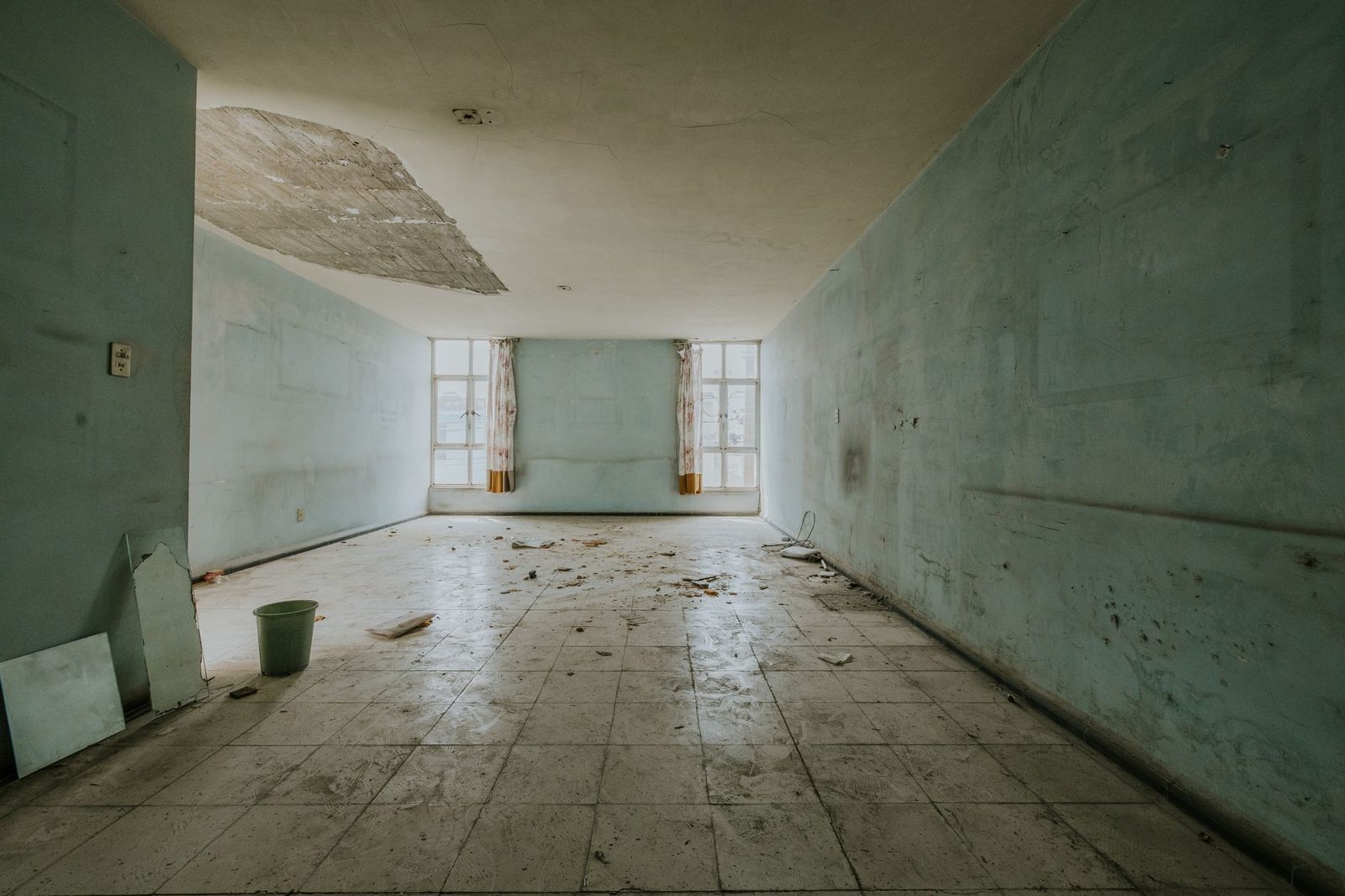
Knowing what to do in the first 24 hours after water damage means acting fast: stop the water at its source, cut power to wet areas, move belongings to dry ground, and document everything with photos before you call a certified restoration team. In New Orleans, high humidity lets mold take hold within 24 to 48 hours, so quick action protects your home, your health, and your insurance claim.
A burst pipe or sudden flood can flip a normal day into an emergency, and the first 24 hours decide how much of your home you get to keep. At Big Easy Remediation, we have helped New Orleans homeowners move fast when every minute counts.
Standing water keeps damaging materials by the hour, and in our humid climate mold can begin within 24 to 48 hours. The right moves on day one can save you from weeks of avoidable repairs.
This guide walks you through exactly what to do in the first day after water damage. Contact us today to get same-day help if the water is already spreading.
Stop the Water and Make the Area Safe
Your first priority is to stop more water from coming in and to keep everyone safe. Move quickly, but never take a risk around water and electricity.
Shut Off the Water Source
If the damage is from a plumbing failure, close the main water valve to your home right away. For a roof or storm leak, place buckets and move valuables out of the path while you wait for help. Stopping the flow is the single most important thing you can do in the first few minutes.
Cut the Power if Water Is Near Outlets
Water and electricity are a dangerous mix. If water has reached outlets, appliances, or your electrical panel, switch off the power at the breaker only if you can reach it safely and dry. When in doubt, stay out of the area and call an electrician or our team.
Protect Yourself From Contaminated Water
Floodwater and sewage carry bacteria and other hazards. Wear boots and gloves, keep children and pets away, and avoid touching standing water with bare skin. If the water came from a sewer line or outside flooding, treat it as contaminated and let professionals handle the cleanup.
Document Everything Before You Touch It
Before you move a single item, take clear photos and video of every affected room, surface, and belonging. Capture the water line on walls, soaked flooring, and any damaged furniture from several angles. This record is what your insurance adjuster relies on, and it is far easier to gather now than to reconstruct later. We add our own moisture readings and dated documentation on top of yours so the claim has everything it needs.
Start Removing Water and Drying Fast
Once the area is safe and documented, the race is on to get the water out and the structure drying. The faster this happens, the more of your home you save.
Get the Standing Water Out
Use a wet vacuum, mop, or towels to remove as much standing water as you can. Never use a regular household vacuum, since it is not built for water and can cause a shock. For anything more than a small puddle, professional extraction pulls water out far faster than anything you can do by hand.
Move and Elevate Your Belongings
Lift furniture onto blocks, move rugs and electronics to a dry room, and pull up anything sitting in water. Slip foil or wood blocks under furniture legs to stop stains from spreading into the wood. Acting now often means the difference between cleaning an item and replacing it.
Open Up Airflow
Open windows if the weather is dry, run fans, and turn on any dehumidifier you have. Airflow helps, but household fans alone cannot reach the moisture trapped inside walls and subfloors. That deeper drying is where professional equipment becomes essential.
| Time | What to Do | Why It Matters |
|---|---|---|
| First hour | Stop the water source and cut power if needed | Prevents more damage and keeps you safe |
| Hours 1 to 3 | Photograph everything, then start removing water | Protects your claim and slows the spread |
| Hours 3 to 8 | Move belongings, boost airflow, call a pro | Saves furniture and starts proper drying |
| Hours 8 to 24 | Begin structural drying and moisture monitoring | Stops mold before it can start |
Why the First Day Matters More in New Orleans
Our climate works against you after a water event. New Orleans humidity regularly sits above 70 percent, so structural moisture does not dissipate the way it would in a drier place, and mold finds ideal conditions fast. Many homes here also sit on pier-and-beam foundations with original plaster and old-growth framing, materials that soak up and hold water differently than modern construction. Add drainage that can stay overwhelmed after heavy rain, and a delay of even a day can turn a manageable cleanup into a major restoration.
What Not to Do in the First 24 Hours
- Do not wait for it to dry on its own. Surface dryness hides moisture trapped behind walls and under floors.
- Do not use a household vacuum on water. It is a shock hazard and will not remove enough to matter.
- Do not assume hidden areas are fine. Water travels along framing into cavities you cannot see without meters.
When to Call a Professional
If water has spread across rooms, soaked into walls or flooring, or come from a sewer line or outside flooding, it is time to bring in a certified crew. We respond same-day for active water damage, document the loss for your claim, and dry the structure with equipment sized to the job, not just fans. Because water damage so often leads to mold, our process also addresses the moisture source, the same approach we use in mold remediation. You can learn more about our full process on our water damage restoration page.
Get Your New Orleans Home Back Faster
The first 24 hours are stressful, but you do not have to face them alone. Acting fast and documenting everything gives you the best chance at a full recovery.
Big Easy Remediation responds same-day to active water damage across Greater New Orleans, with a written scope before any work begins. Call us today to get a certified crew headed your way.
Common Questions
Frequently Asked Questions About Water Damage in New Orleans
How long do I have before water damage becomes permanent?
Acting within the first 24 to 48 hours makes the biggest difference. After that window, materials warp, drywall breaks down, and mold can take hold, which turns a simple cleanup into a full restoration.
Can I clean up water damage myself?
You can handle a small, clean spill from a fresh water source. For large volumes, sewage, or water trapped inside walls and floors, professional extraction and drying protect both your home and your health.
Does homeowners insurance cover water damage in Louisiana?
It depends on your policy and the cause of the loss. Sudden, accidental damage like a burst pipe is often covered, while slow leaks and flooding usually need separate coverage. We document everything so your adjuster has what the claim requires.
How fast can mold grow after water damage?
Mold can begin developing within 24 to 48 hours in New Orleans humidity. That is why fast drying and moisture monitoring matter so much during the first day.
What should I throw away after water damage?
Porous items soaked by contaminated water, such as carpet padding, mattresses, and saturated drywall, often cannot be saved. We help you sort what is salvageable and document the rest for your claim.
How do you dry water trapped inside walls and floors?
We use moisture meters to find hidden water, then place air movers and dehumidifiers sized to the space. Drying continues until readings confirm the structure is truly dry, not just dry on the surface.
Is it safe to stay in my home after water damage?
For small, clean events, it usually is. For large losses, sewage, or any electrical concern, it is safer to wait until the area has been assessed and made safe.
How soon can Big Easy Remediation respond?
We dispatch same-day for active water damage during business hours, Monday through Saturday, 9 AM to 5 PM. A real person answers when you call.
Need restoration help in New Orleans?
Same-day response to water, mold, fire, and cleaning emergencies across Greater New Orleans, with a written scope before any work begins.