
Can a Thermal Scanner Detect Water Leaks in New Orleans, LA?
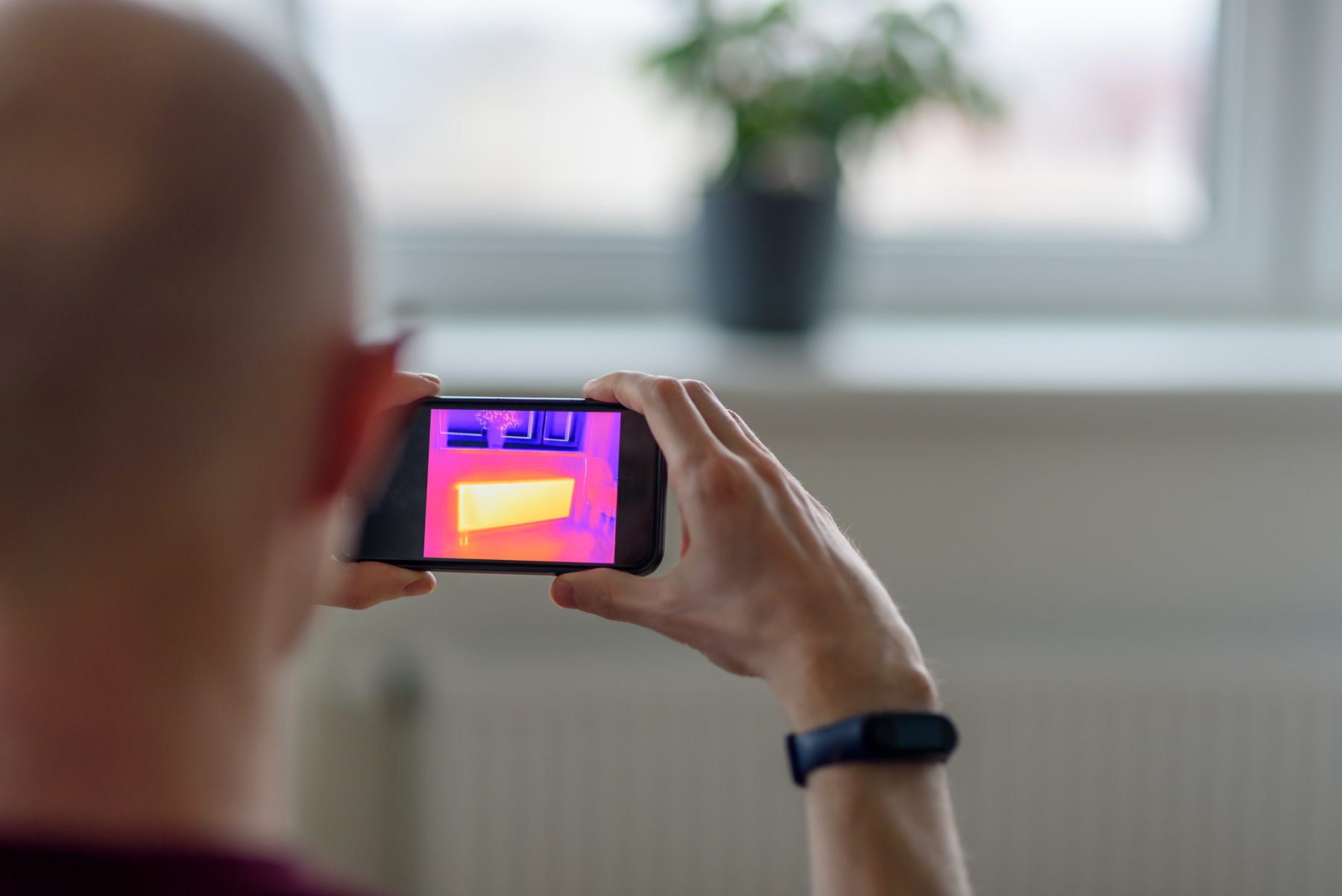
A thermal scanner can help find water leaks, but it does not see water directly. It shows surface temperature differences, and damp materials often read cooler or warmer than the dry areas around them. Insulation gaps, framing, and sunlight can create similar patterns, so in New Orleans homes a suspect spot should be confirmed with a moisture meter before anything is opened or replaced.
At Big Easy Remediation, we dry out Greater New Orleans homes after burst pipes, roof leaks, and appliance failures, and the hardest leaks to deal with are the ones nobody can see. Water inside a wall or under a floor can travel a long way before a stain gives it away.
Thermal cameras get a lot of attention for finding those leaks, and for good reason. They are also widely misunderstood, which leads to both missed leaks and walls opened for nothing.
Knowing what each tool really measures helps you read the results with confidence. Contact us today to have hidden water damage found and dried out properly.
What Does a Thermal Camera Actually See?
A thermal camera sees heat, not water. It detects the infrared energy that surfaces give off and turns differences in surface temperature into a color image. Moisture shows up only indirectly, because wet materials often sit at a different temperature than the dry material around them.
In its guidance on infrared testing, the consulting firm J.S. Held puts it plainly: thermal images do not depict moisture or distinguish between wet and dry. Those images show temperature patterns that still have to be explained.
That distinction is the whole story. A thermal image is a lead worth following, not a finding on its own, and treating it as proof is where most mistakes begin.
How Do Wet Materials Show Up on a Thermal Image?
Water changes how a material gains and loses heat. Thermographers describe three main ways that difference appears on screen.
Evaporative Cooling
As water evaporates from a damp surface, it carries heat away with it. That is why wet drywall or a damp ceiling often reads cooler than the dry areas around it.
A Level II thermographer writing on IRINFO.org lists evaporative cooling as one of the main reasons wet areas stand out. The effect can be subtle, so a faint cool patch below a bathroom deserves a closer look rather than a shrug.
The pattern also tends to follow gravity. Water spreads down and outward from where it entered, so the shape of a cool area can hint at its source.
Conductance and Thermal Capacitance
Wet materials also conduct and store heat differently than dry ones. The same IRINFO.org article notes that, as a result, wet areas can appear either darker or lighter than dry areas on an infrared image.
Timing matters here too. Moist areas can equalize in temperature depending on the time of day, so a leak visible in the morning may fade by afternoon.
That is one reason a single scan is rarely the final word. Checking the same area at a different time can show whether a pattern is real or just a passing effect of the conditions.
Warm Trails From Hot Water Lines
Not every leak shows up cool. Water escaping from a hot water supply line can warm the surface it runs along, leaving a warm streak instead of a cold patch.
That pattern can help trace a pressurized line inside a wall or floor. It still needs confirming, because a warm streak can also come from wiring, ductwork, or sun on the other side of the wall.
Why Can a Thermal Image Be Misleading?
Plenty of things besides water change surface temperature. Missing or compressed insulation, wall studs, air leaks around windows, and sunlight on an exterior wall can all create patterns that look like moisture.
J.S. Held describes anomalies caused by reflections from nearby metal roofing and by sun and shade on a wall. Its guidance says thermal images alone should not be relied on to determine the existence, location, or extent of moisture, and that conditions such as ambient temperature, sun exposure, and humidity should be recorded.
New Orleans adds its own complications. Strong sun on exterior walls, air conditioning that runs most of the year, and humid outdoor air all shape surface temperatures, so the same wall can look different from one scan to the next.
How Do Professionals Confirm a Suspected Leak?
A suspect spot on a thermal image is the start of the investigation. These are the tools that turn it into a reading.
Pin Moisture Meters
Pin meters push two small probes into a material and measure the electrical resistance between them, which changes with moisture content. They give a reading at a specific point and depth.
The trade-off is two tiny holes. On drywall and trim that is usually acceptable, while finished surfaces like hardwood call for more care about where readings are taken.
Pinless Moisture Meters
Pinless meters press a sensor pad against the surface and read moisture through it without leaving marks. They are fast for scanning across a wall, ceiling, or floor to find where readings climb.
The reading reflects a general zone rather than one exact depth. That makes pinless meters good for mapping an affected area and pin meters good for pinpointing it.
Comparing Against a Dry Reference
Moisture readings mean the most when compared with the same material in an unaffected area. A reading well above that dry reference supports what the thermal image suggested, while a matching reading points elsewhere.
Our residential water damage restoration work relies on documented moisture readings, monitored daily until the structure is verified dry. The same approach applies to offices and shops through commercial water damage restoration. Materials that stayed wet too long may need residential mold removal.
Where Homeowners Should Start
A thermal scanner can point to a hidden water leak, but a moisture meter is what confirms it, and both are only as good as the person reading them. Used together, they help keep walls closed unless there is a real reason to open them.
At Big Easy Remediation, we extract water, dry the structure, and document moisture readings on every job so nothing gets missed. Call us today to have hidden water damage found and dried out properly.
Common Questions
Frequently Asked Questions About Thermal Scanners and Water Leaks
How to find an invisible water leak?
Start with your water meter. EPA’s WaterSense program suggests reading the meter, using no water for two hours, and reading it again; if it changed at all, you probably have a leak. For toilets, add food coloring to the tank, and if color shows in the bowl after 10 minutes, it is leaking.
Can a Flir thermal camera detect a water leak?
A thermal camera from any manufacturer can show temperature patterns that may point to a water leak, but it cannot see water itself. A cool or warm spot still needs confirming with a moisture meter, because insulation gaps, framing, and sunlight can create similar patterns. The experience of the person reading the image matters more than the brand.
Can thermal imaging see through walls?
No. A thermal camera reads only the temperature of the surface it is pointed at. It can reveal what is happening inside a wall only when that activity changes the surface temperature, such as damp drywall cooling as it dries or a hot water line warming the surface in front of it.
Is thermal imaging accurate for finding leaks?
It can be very helpful, but no method is foolproof. Thermal images show temperature patterns, and many things besides water create them, so results depend on conditions, camera settings, and the experience of the person interpreting them. Confirming each suspect area with a moisture meter is what turns an image into a reliable finding.
Can a thermal camera detect a slab leak?
Sometimes. A hot water line leaking under a slab can warm the floor surface above it, which a thermal camera may pick up, while a cold water leak is usually much harder to see. Confirming and locating a slab leak is plumbing work, and a licensed plumber should handle the diagnosis and repair.
Do moisture meters work on all materials?
Moisture meters work on many building materials, but readings are often calibrated for wood. On drywall, plaster, or concrete, the numbers are best treated as relative rather than exact. Comparing each reading with an unaffected area of the same material is what makes the results meaningful.
What are signs of a hidden water leak?
Common signs include a water bill that climbs without explanation, a meter that moves when nothing is running, warped or soft flooring, stains or bubbling paint, and the sound of running water when fixtures are off. EPA WaterSense also suggests checking winter water use, since high use in a cold month can signal a leak.
Should I open a wall to look for a leak?
Not until the source has been narrowed down. Opening walls at random adds repair costs and can still miss the leak. A thermal scan to find suspect areas, followed by moisture readings to confirm them, lets any opening be targeted and kept as small as possible.
Need restoration help in New Orleans?
Same-day response to water, mold, fire, and cleaning emergencies across Greater New Orleans, with a written scope before any work begins.