
Should You Test After Mold Remediation in New Orleans, LA?
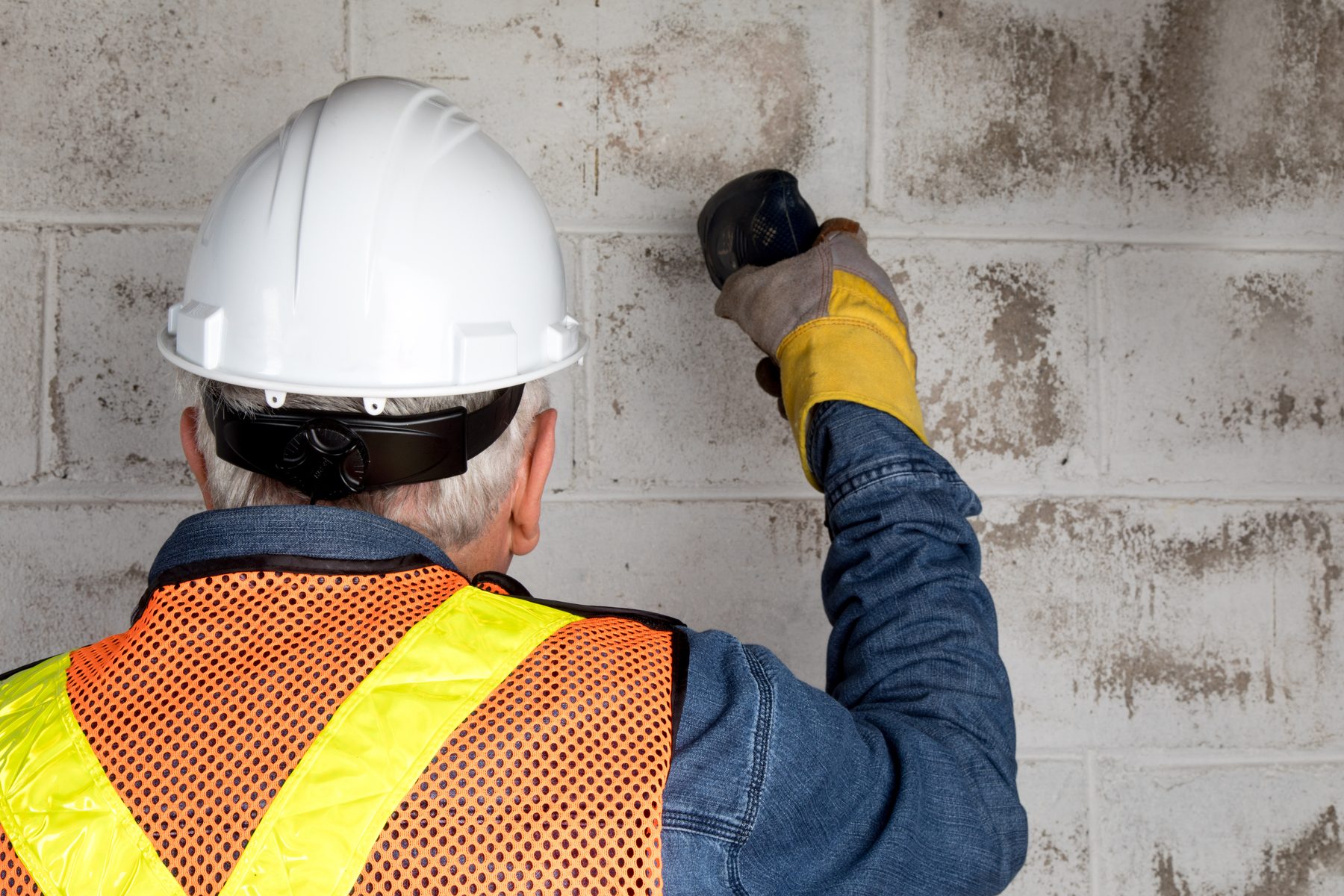
Testing after mold remediation is often worth doing, but it is not always required. EPA notes there are no federal limits for mold or mold spores, so a test is one check alongside a fixed moisture source, no visible mold, and no lingering musty odor. In New Orleans humidity, post-remediation sampling is most useful when it compares indoor results with outdoor air and is handled by an experienced professional.
At Big Easy Remediation, we remove mold for Greater New Orleans homeowners, and one of the most common questions at the end of a job is whether the air should be tested. It is a fair question, because work done behind containment walls is hard to judge by eye alone.
The honest answer is that testing helps in some situations and adds little in others. Knowing what a test can and cannot tell you makes the decision much easier.
This guide walks through what EPA and CDC actually say, when testing earns its cost, and what to ask before anyone takes a sample. Contact us today to talk through mold removal and the verification that makes sense for your home.
So, Do You Actually Need a Test?
Not always, but often it is worth considering, since EPA describes post-remediation sampling as something that may be useful, and notes that no federal limits exist for mold or mold spores. A post-remediation test works as one piece of evidence that the job succeeded, alongside a visual inspection, no musty odor, and a fixed moisture source.
When Testing Earns Its Cost
Testing makes the most sense when the stakes or the uncertainty are high. A large job, mold found inside wall cavities, or a home about to be sold are common reasons people want results on paper.
EPA notes that pre- and post-remediation sampling may be useful in determining whether remediation efforts have been effective. That is exactly the job a clearance test is built for.
It can also settle a disagreement. When a homeowner, buyer, or landlord wants confirmation, a sampling report gives everyone the same reference point.
When a Test Adds Little (Skip the Upsell)
CDC does not recommend mold testing, and EPA says that in most cases where mold growth is visible, sampling is unnecessary. For a small patch that was cleaned and dried, the evidence is often already in front of you.
What matters more in those cases is the moisture source. CDC’s guidance is to remove the mold and fix the leak or humidity problem that fed it.
Spending on a test while a drip continues gets the order backward. Fix the water first, then decide whether numbers would tell you anything new.
The Checks That Matter More Than a Number
Was the water problem fixed? Are visible mold and mold-damaged materials gone, and is the musty smell gone too? Those checks come straight from EPA’s own list for deciding when remediation is finished.
A clean test result cannot make up for a “no” on any of them. Mold can return if moisture remains, however good the air looked on sampling day.
EPA ends that list with a candid line: deciding a cleanup is complete is ultimately a judgment call. A test supports that judgment rather than replacing it.
What a Post-Remediation Test Actually Measures
Different samples answer different questions. Knowing which one is being taken tells you what the report can and cannot claim.
Air Samples Compare Inside to Outside
The most common approach collects air from the remediated area and compares it with an outdoor sample taken around the same time. EPA says that after remediation, the types and concentrations of mold indoors should be similar to what is found in the local outdoor air.
That comparison matters because there is no universal pass number. Mold spores are a normal part of outdoor air, so the question is whether inside now resembles outside.
A report without an outdoor control has nothing to compare against. Ask whether one is included before the sampling day.
Surface Samples Check What Was Cleaned
Swab or tape samples taken from cleaned surfaces show whether growth remains on materials. EPA notes that surface sampling may be useful to determine whether an area has been adequately cleaned or remediated.
They answer a narrower question than air samples. A surface result speaks only to the spot sampled, so placement should follow where the original growth was.
Used together, air and surface samples cover more ground than either one alone. The sampling plan should explain why each sample was taken where it was.
A Visual Inspection Still Comes First
No sampling report replaces looking. EPA’s checklist starts with a fixed moisture problem and no visible mold, mold-damaged materials, or moldy odors before any results come into play.
It also recommends revisiting the site shortly after the work to confirm there are no new signs of water damage or growth. That return visit costs little and catches problems a single test day can miss.
The Snapshot Problem (It Matters More Than You Think)
EPA describes air sampling as a snapshot that shows what was in the air at the moment the sample was taken. Conditions in a room change through the day, so one sample is a reading rather than a verdict.
EPA also lists the pitfalls of sampling done by inexperienced people, including too few samples, inconsistent methods, contaminated samples, and skipped outdoor controls. Its advice is blunt: if sampling cannot be done properly, it is preferable not to sample.
That is why EPA says sampling should be handled by professionals with experience designing sampling plans and interpreting results. A test is only as useful as the plan behind it.
Who Should Do the Testing?
Some homeowners prefer an independent assessor for the clearance check, so the verification does not come from the company whose work is being evaluated. Ask any tester how many samples they plan, where they will take them, and whether an outdoor control is included.
Ask which lab will analyze the samples, too. EPA points to analytical methods recommended by groups such as the American Industrial Hygiene Association.
Our residential mold removal jobs end with a written clearance report, and an independent test can sit alongside it. The same thinking applies to offices and rentals handled through commercial mold removal. If the original problem involved the air conditioning system, ask whether air duct and HVAC cleaning belongs in the plan.
The Bottom Line on Testing After Mold Remediation
Testing after mold remediation is a useful check rather than a certificate, and it works best after a fixed moisture source and a clean visual inspection. When a New Orleans job was large, hidden, or high-stakes, a properly planned test with an outdoor comparison is often worth considering.
At Big Easy Remediation, we test and inspect before tearing anything out, and every mold job ends with a written clearance report. Call us today to plan mold removal with verification built in.
Common Questions
Frequently Asked Questions About Testing After Mold Remediation
How accurate is an air quality test for mold?
An air test is accurate for what it measures: the spores in that air at that moment. EPA describes air sampling as a snapshot, so results can vary with timing and conditions. Their value depends on a sound sampling plan, an outdoor comparison, and an experienced professional interpreting the lab report.
How long does a mold air quality test take?
The on-site visit is usually fairly short, since each air sample typically runs for only a few minutes, but the total time depends on how many rooms are sampled. Lab analysis adds more time, so results often arrive days later. Ask the tester for their expected turnaround before you book.
What is a mold clearance test?
A clearance test is sampling done after remediation to check whether the work area has returned to normal conditions. It usually compares indoor air with an outdoor sample and may include surface samples from cleaned areas. EPA treats it as one part of deciding a cleanup is finished, alongside a visual inspection.
Is there a safe level of mold in the air?
No official number exists. EPA states that standards or threshold limit values for airborne mold have not been set, and CDC notes there are no set standards for acceptable amounts of mold in a home. That is why testers compare indoor results with outdoor air rather than against a fixed limit.
Can mold come back after remediation?
Yes, if the moisture that fed it is still there. CDC advises fixing leaks in roofs, walls, or plumbing so mold does not have moisture to grow, and EPA’s checklist starts with a fully fixed water problem. In humid New Orleans homes, controlling indoor moisture after the job matters as much as the removal itself.
When should testing be done after mold remediation?
Testing is typically done once the removal and cleaning are complete and the area has had time to settle, and often before containment comes down or walls are closed up. Testing at that stage means any problem can still be addressed easily. Your tester can advise on timing for your project.
What should a mold clearance report include?
A useful report lists where each sample was taken, includes an outdoor control for comparison, names the lab and its analysis method, and records what the inspector saw on site. It should also note the moisture source and whether it was corrected, since EPA treats that as the first test of a finished cleanup.
Can I use a home mold test kit instead?
A home kit can show that mold spores exist, but spores are present almost everywhere, so a positive result says little on its own. Most kits lack an outdoor comparison and professional interpretation, both of which EPA treats as central to meaningful sampling. They are not a substitute for a planned clearance test.
Need restoration help in New Orleans?
Same-day response to water, mold, fire, and cleaning emergencies across Greater New Orleans, with a written scope before any work begins.