
Can Hardwood Floors Recover From Water Damage in New Orleans, LA?
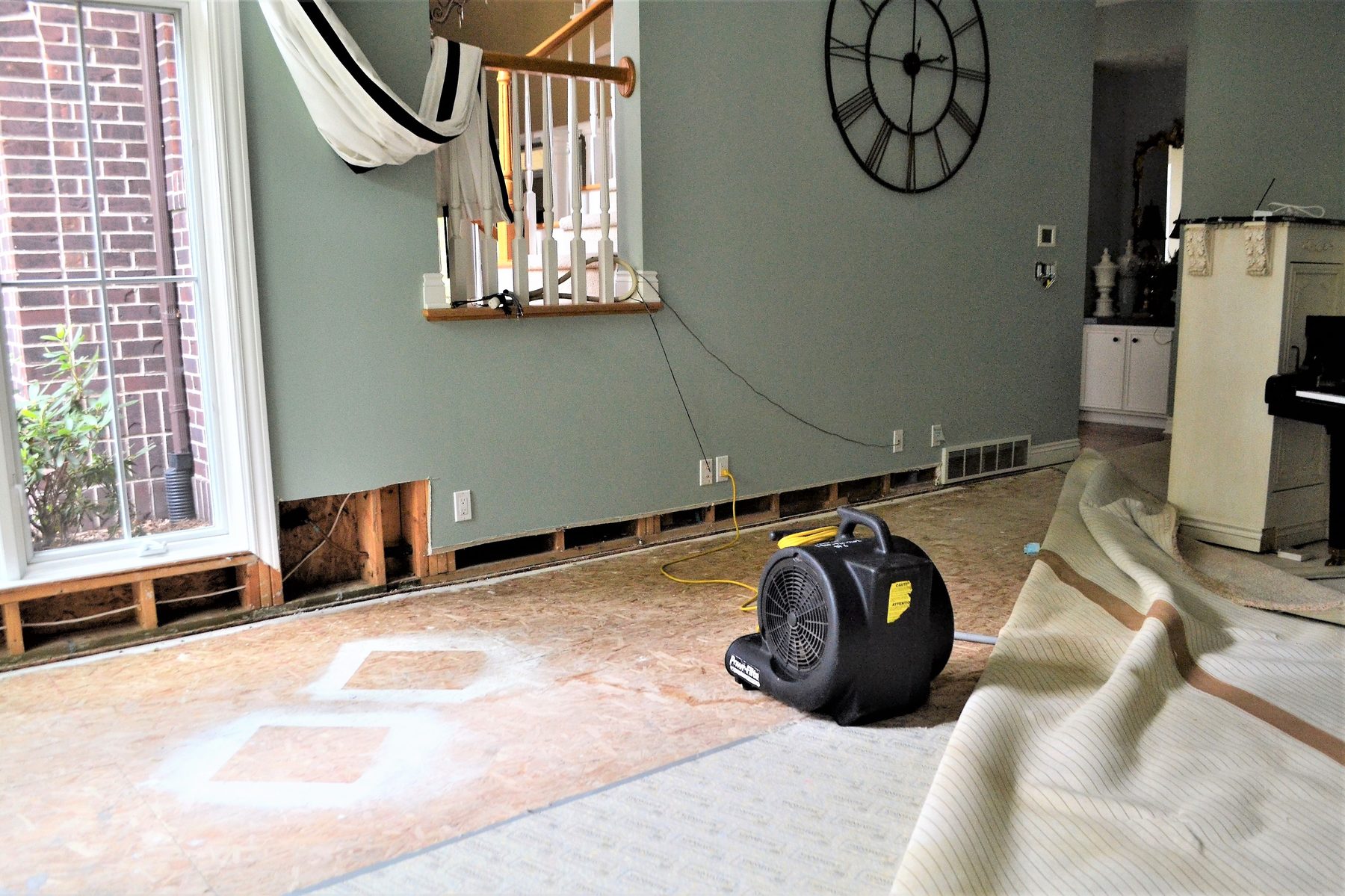
Hardwood floors can often recover from water damage when the water is removed quickly and the boards are dried slowly and thoroughly, but recovery is never guaranteed. Mild cupping may ease as moisture evens out, while boards that buckle, pull loose, or stay wet too long may need replacing. In New Orleans humidity, moisture readings rather than appearance decide when a floor is ready for sanding or refinishing.
At Big Easy Remediation, we dry out New Orleans homes after burst pipes, roof leaks, and appliance failures, and wood floors are often where the damage shows first. Boards that cup, swell, or lift are a sign that moisture is trapped underneath, not just sitting on top.
Many homeowners assume a wet hardwood floor has to come out. Some do, but others recover when the drying is handled patiently and measured rather than guessed.
The order of the steps matters more than any single machine or product. Contact us today to have a water-damaged wood floor assessed before anything is sanded or torn out.
Why Do Hardwood Floors Cup After Water Damage?
Hardwood cups because wood swells as it absorbs moisture, and the underside of each board usually takes on more water than the finished top. The wetter bottom expands, pushing the edges of each board higher than its center. Buckling is the more severe version, where swelling lifts boards away from the subfloor.
That is why the damage often keeps developing after the visible water is gone. Water that seeps between boards can sit on the subfloor and keep feeding the wood from below.
Bottom-up swelling also explains why the fix takes time. The goal is not a dry surface but a whole board, top to bottom, and the subfloor beneath it, all back near normal moisture levels.
Step 1: Stop the Water and Make the Room Safe
Nothing else works until the source is stopped. Each kind of water calls for a different first move.
- Plumbing leak: Shut off the fixture valve or the main water supply.
- Roof or storm water: Catch active drips and move valuables off the floor until the opening is covered.
- Sewage or floodwater: EPA guidance treats water contaminated with sewage or other pollutants as requiring protective equipment and containment, so do not handle it without protection.
Stay off wet floors near outlets, cords, or appliances that may have gotten wet. If electrical safety is in doubt, keep everyone out of the room and call an electrician. The steps below assume clean water; contaminated water changes the plan.
Step 2: Remove Standing Water Right Away
EPA’s guidance for water-damaged wood surfaces starts with one instruction: remove moisture immediately. Every hour water sits on a hardwood floor gives it more time to work into the seams and down to the subfloor.
- Extract, do not just mop: A wet vacuum pulls far more water from the seams than towels can.
- Lift wet rugs and mats: They hold water against the wood and slow drying underneath.
- Move furniture off the floor: Wet legs and bases can stain and dent softened wood.
Photograph the floor before and during cleanup. Those images help with any later repair decision and with the paperwork that often follows a water loss.
Step 3: Dry Slowly With Dehumidification and Airflow
EPA lists dehumidifiers, gentle heat, and fans for drying wet wood, with a specific caution about applying heat to hardwood floors. Drying the top of a board much faster than the bottom can create new problems instead of solving the old one.
In a New Orleans summer, open windows usually let in more humidity than they let out. A closed room with dehumidifiers running and air moving across the floor dries more predictably.
Professionals may also use specialty floor drying systems that draw moisture up through the boards and out of the seams. Our residential water damage restoration crews position air movers and dehumidifiers sized to the space and monitor readings until the structure is verified dry.
Step 4: Measure Moisture Instead of Guessing
Wood can feel dry on top while the underside and subfloor are still wet. Moisture meters settle the question by comparing the damaged boards with an unaffected area of the same floor.
The aim is for those two sets of readings to come back in line. Until they do, the floor is still drying, whatever it looks like.
- Check several spots: Readings vary across a room, especially near the original water source.
- Check the subfloor: It can hold water long after the boards improve.
- Check from below where possible: On a raised home, the crawl space under the floor is part of the drying job too.
Step 5: Give Cupped Boards Time Before Sanding
A common mistake after a water loss is sanding too soon. Hardwood Floors magazine, published by the National Wood Flooring Association, warns that sanding a cupped floor flat while moisture is still out of balance can leave the boards crowned once the wood finishes drying.
Crowning is the reverse of cupping. The edges end up lower than the centers, and that damage is much harder to undo.
Mild cupping may ease as moisture evens out between the top and bottom of each board, although it may not disappear completely. That process often takes longer than homeowners expect, so let the moisture readings, not the calendar, decide when to move on.
Step 6: Decide Between Refinishing and Replacement
Once the floor reads dry, its condition points toward one of two paths. Every floor is different, so treat these as general signs rather than rules.
- Refinishing may make sense when: Boards have flattened or nearly so, sit tight to the subfloor, and read the same as unaffected areas.
- Replacing boards may make sense when: Boards stay buckled, have pulled loose, are cracked or separating, or carry stains that will not sand out.
- Mold changes the order: If boards or the subfloor show mold growth, residential mold removal comes before any refinishing.
Engineered flooring has a thinner wood wear layer, which can limit how much sanding it tolerates. After repairs, our floor cleaning service can lift the dirt and residue left on the surface.
Save What Can Be Saved, Replace What Cannot
Hardwood floors can recover from water damage, but only when the water comes out fast, the drying is measured, and nobody reaches for the sander too early. Some floors will still need boards replaced, and the moisture data is what tells you which kind of floor you have.
At Big Easy Remediation, we extract water, dry the structure, and document moisture readings so decisions about your floor rest on numbers. Call us today to get a wet hardwood floor dried out and assessed.
Common Questions
Frequently Asked Questions About Water-Damaged Hardwood Floors
How long does it take hardwood floors to dry out after water damage?
There is no single timeline. Drying can take anywhere from days to weeks depending on how much water soaked in, how long it sat, the wood and subfloor type, and the humidity. The floor is dry when moisture readings match an unaffected area, not when the surface feels dry, so measuring matters more than the calendar.
What is the best way to dry out wet hardwood floors?
Remove standing water right away, then dry the floor steadily with dehumidifiers and moving air while the room stays closed to humid outdoor air. EPA guidance for wet wood lists dehumidifiers, gentle heat, and fans, with a caution about heat on hardwood floors. Professional drying systems can also pull moisture from the boards and subfloor.
Will cupped hardwood floors flatten on their own?
Mild cupping often lessens as the floor dries and moisture evens out between the top and bottom of each board, though it may not disappear completely. Cupping that remains after the floor reads dry, or boards that have pulled loose, usually point toward sanding and refinishing or replacing the affected boards.
Can you sand cupped hardwood floors?
Sanding is sometimes part of the repair, but only after moisture readings show the boards have returned to normal. Sanding a cupped floor flat while the underside is still wet can leave the boards crowned, with edges lower than the centers, once the wood finishes drying. Patience at this stage protects the floor.
Is engineered hardwood harder to save than solid hardwood?
Engineered hardwood can be harder to save. Its thinner real-wood top layer over a core may not tolerate the sanding that solid boards can, and a core that swells or separates usually cannot be repaired. How much water the floor took on, and for how long, matters as much as the type.
Can mold grow under hardwood floors?
Mold can grow under hardwood floors, because the subfloor and the underside of the boards can stay damp long after the surface looks dry. EPA advises drying water-damaged materials within 24 to 48 hours to help prevent mold growth, so a musty smell or dark staining along board edges after a leak deserves a closer look.
What does buckling mean on a hardwood floor?
Buckling means the boards have swollen enough to lift away from the subfloor. It is a more severe reaction than cupping and often follows a large volume of water or water that sat for a long time. Buckled boards may need to be replaced, although each floor has to be assessed on its own readings.
Should I put a fan on a wet hardwood floor?
Moving air helps, but a fan alone on a humid day can simply circulate damp air. Fans work best alongside a dehumidifier in a closed room. EPA guidance also cautions against using fans before you know the water was clean, because they can spread contaminants from sewage or floodwater.
Need restoration help in New Orleans?
Same-day response to water, mold, fire, and cleaning emergencies across Greater New Orleans, with a written scope before any work begins.