
What Is the Difference Between a Roof Leak and a Pipe Leak in New Orleans, LA?
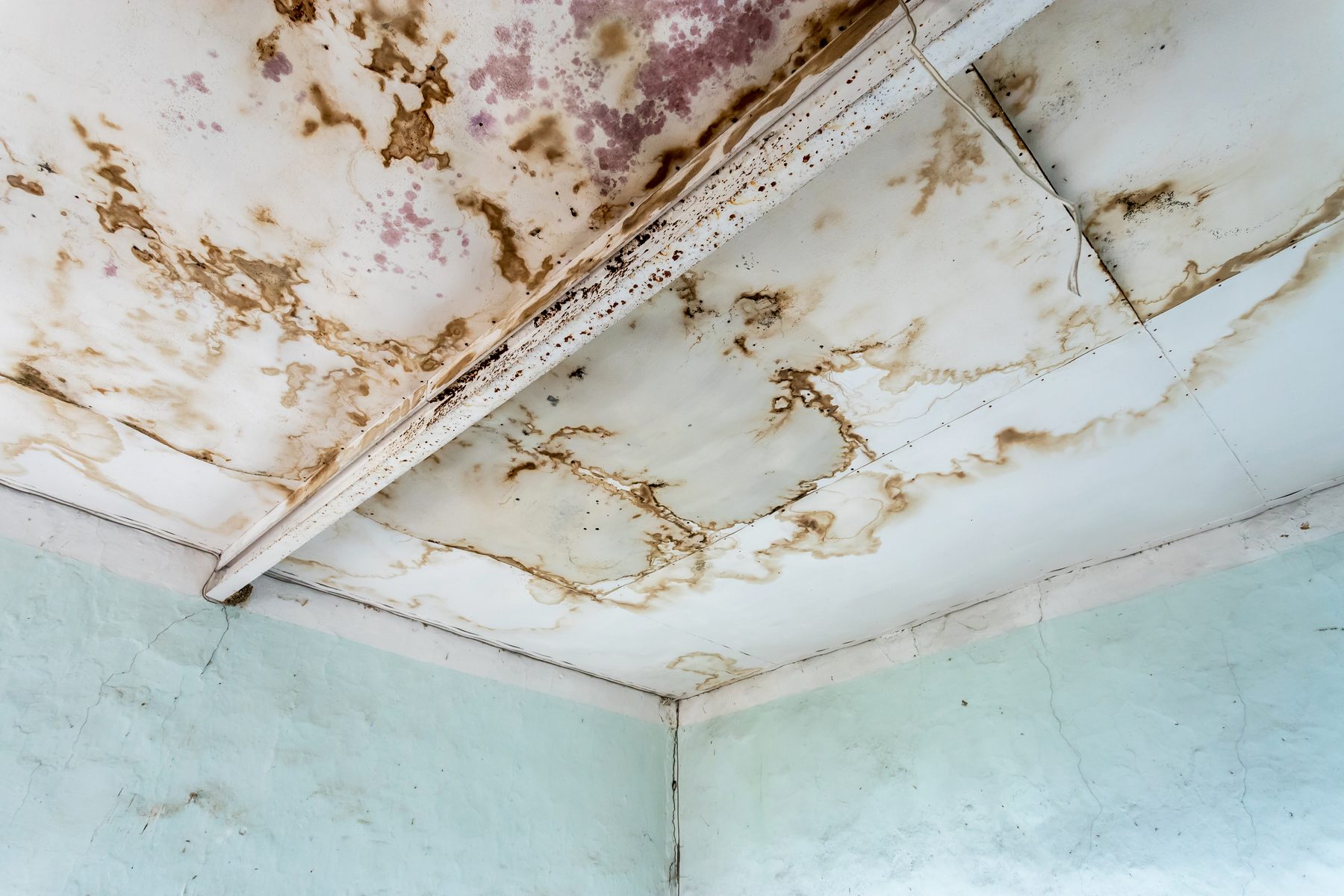
A roof leak usually shows up during or shortly after rain and stains top-floor ceilings or areas near exterior walls. A pipe leak can appear in dry weather and sits near plumbing such as bathrooms, kitchens, and water heaters. In New Orleans, frequent storms and older plumbing can both cause ceiling stains, so timing, location, and a water meter check usually point to the source.
At Big Easy Remediation, we restore homes hit by burst pipes, roof leaks, and appliance failures across Greater New Orleans. A brown ring on the ceiling points to past or active water intrusion, and the first question is almost always where the water came from.
The answer matters because the repair, the cleanup, and sometimes the insurance conversation all depend on it. A roof problem and a plumbing problem can leave stains that look nearly identical from below.
The good news is that water leaves clues, and most of them can be checked without opening a wall. Contact us today to have the damage from a leak assessed and dried properly.
Timing and Location Separate a Roof Leak From a Pipe Leak
The clearest difference is when and where the water appears. Roof leaks follow rain and usually stain top-floor ceilings, chimney areas, skylights, or exterior walls. Pipe leaks follow water use, can appear on a dry, sunny day, and sit beneath or beside bathrooms, kitchens, laundry rooms, and water heaters.
New Orleans adds a complication. Summer storms arrive often enough that a stain growing during a wet week could still be plumbing, simply because rain and household water use overlap.
That is why one observation is rarely enough. Track the stain across a few dry days and a few wet ones before deciding which way it points.
Signs the Water Is Coming Through the Roof
Roof water often travels before it drips, so the stain is not always directly under the opening. These patterns lean toward the roof.
A Stain That Grows After Every Storm Points to Rain Entry
If a ceiling spot darkens or spreads within hours of heavy rain, then stops growing during dry spells, the roof is the likely source. Wind-driven rain can push water past shingles or flashing that hold up fine in a gentle shower.
Note the date and the weather each time the stain changes. A simple photo log on your phone can make the pattern clear within a week or two.
That log also helps the roofer. Concrete dates and conditions narrow the search far faster than a description from memory.
Damage on the Top Floor Follows the Roof Line
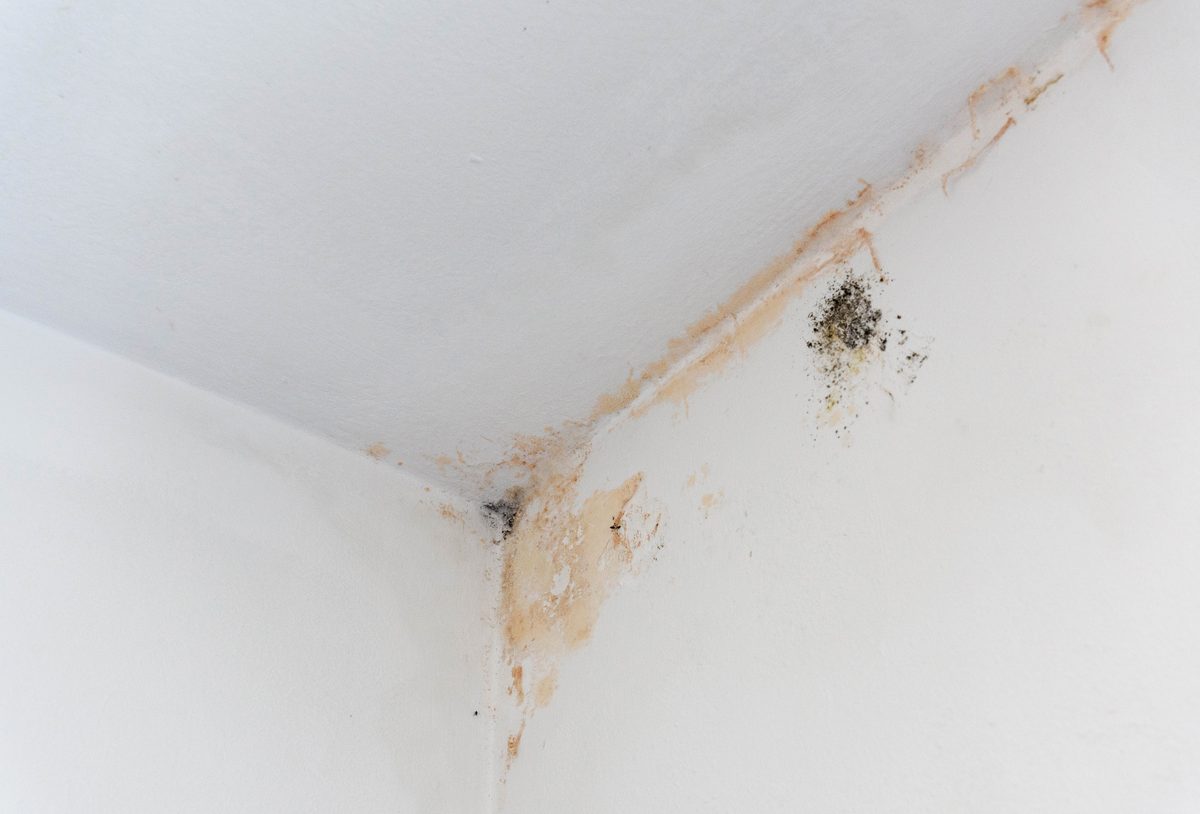
Roof water enters from above, so it tends to show up first on the highest ceiling in the house. Look around chimneys, vents, and skylights, and along the edge where a ceiling meets an exterior wall.
A first-floor stain under a second-floor bathroom points somewhere else. On a single-story home, the location matters even more, since both the roof and the plumbing sit above the same ceiling.
In an attic, darkened decking, damp insulation, or water trails on rafters are strong signs of roof entry. Only go up there if it is safe, and step on framing rather than the ceiling between it.
Spots in Odd Places Mean Water Is Running Along Framing
Water that enters at the roof can run along a rafter, a pipe, or a wire before it finds a low point to drip from. The stain may sit several feet away from the actual opening.
That is the reason a patch directly above the stain sometimes fails. A roofer traces the path back from the stain, while we focus on what the water left behind in the ceiling, insulation, and framing.
Once the source is fixed and the area is dry, ceiling cleaning can deal with the marks that remain.
Signs the Water Is Coming From Plumbing
Plumbing leaks follow the household’s routine rather than the weather. These clues lean toward a pipe, fixture, or appliance.
Water in Dry Weather Suggests a Pressurized Line
A stain that appears or keeps growing during a dry stretch is a strong hint that plumbing is involved. Supply lines stay under pressure, so even a small leak can feed water around the clock regardless of the forecast.
Drain leaks behave differently. They only release water while a sink, tub, shower, or washing machine is in use.
Watch whether the stain changes after those fixtures run. A spot that darkens after every evening shower is telling you something the weather report cannot.
A Stain Below a Bathroom or Kitchen Puts Fixtures in the Frame
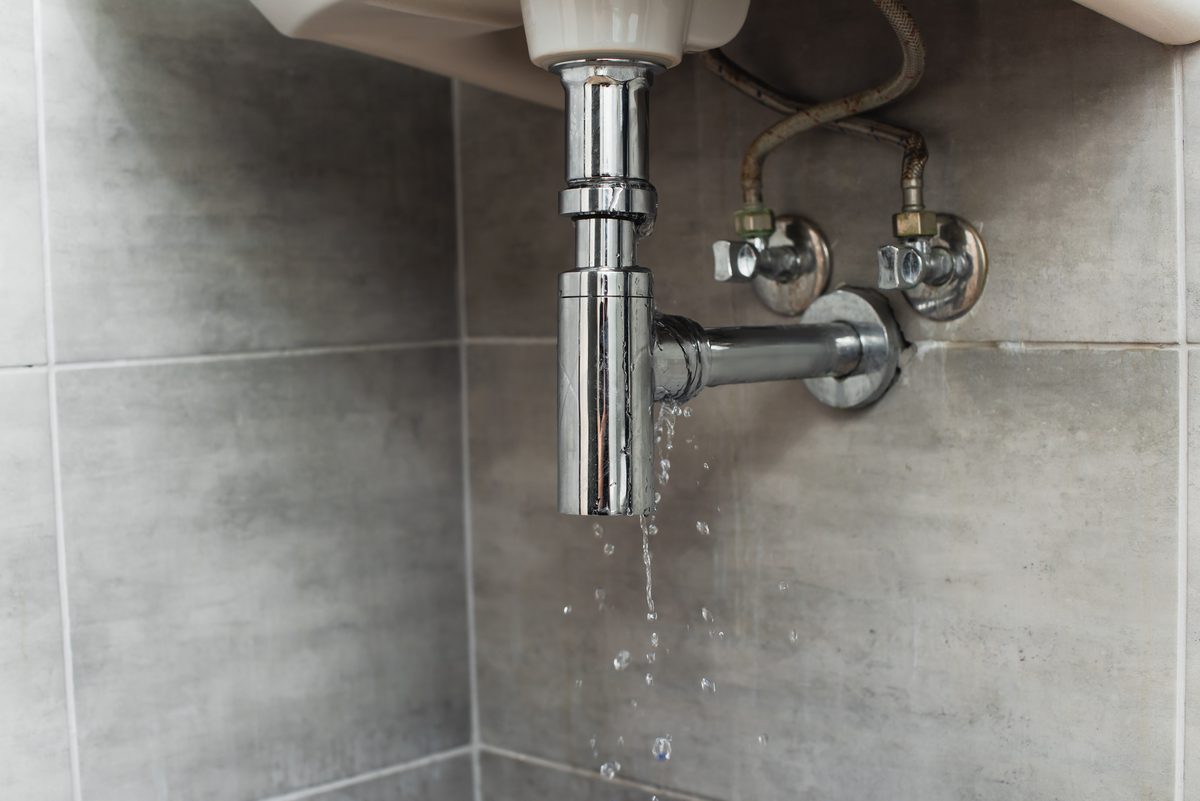
Look at what sits directly above or beside the damage. A ceiling stain under an upstairs bathroom, a wall stain behind a kitchen sink, or soft flooring near a water heater all point toward plumbing.
Failed caulk or grout around a tub or shower can also send water to the ceiling below. That is not a pipe at all, but it follows the same water-use pattern.
Appliances belong on the list too. Dishwashers, refrigerator water lines, and washing machine hoses all carry water and can leak where nobody looks.
A Water Meter That Moves With Everything Off Reveals a Supply Leak
The U.S. EPA’s WaterSense program suggests a simple test. Read your water meter, use no water for two hours, then read it again, and if the meter has changed at all, you probably have a leak.
The test does not say where the leak is. It also will not catch a drain leak, since drains only carry water while something is running.
The meter test is still one of the fastest ways to separate a supply-line problem from a rain problem. A moving meter on a dry, quiet afternoon takes the roof out of the picture.
Why New Orleans Homes Make the Diagnosis Harder
Local conditions blur the usual clues, so a stain here can take longer to read than the same stain somewhere drier.
| Factor | Effect on the Diagnosis | What Helps |
|---|---|---|
| Frequent heavy rain | Rain and water use overlap, so timing alone can mislead | Log the stain on dry days as well as wet ones |
| High humidity | Condensation on cold pipes or ducts can drip like a leak | Note whether the stain tracks hot, humid weeks rather than storms |
| Older homes | Original plumbing and past repairs add possible sources | Map what sits above the stain before guessing |
| Slow drying | Materials stay damp long after a leak stops | Confirm dryness with moisture readings, not by touch |
Condensation deserves a special mention. In a humid climate, an uninsulated pipe or air conditioning duct can sweat enough to stain a ceiling, and it tends to look worst in the muggiest weeks rather than after storms.
Whatever the source, the damage below it needs the same care. Our residential water damage restoration service dries wet drywall, insulation, and framing and monitors moisture readings until the structure is verified dry.
Find the Source Before the Damage Spreads
Timing, location, and a quick meter check will point most homeowners toward the roof or the plumbing, and a roofer or plumber can take it from there. What neither repair does is dry out the ceiling, insulation, and framing the water already reached.
At Big Easy Remediation, we extract water, dry the structure, and document every reading so nothing gets missed. Call us today to get the damage from a roof or pipe leak dried out properly.
Common Questions
Frequently Asked Questions About Roof and Pipe Leaks
Can you have a roof leak and not know it?
Yes. Water can soak attic insulation, roof decking, and framing for weeks before a ceiling stain appears, especially when the leak is small or only opens during wind-driven rain. Checking the attic after major storms, where it is safe to do so, is one of the simplest ways to catch a hidden roof leak early.
Would homeowners insurance cover a pipe leaking onto a ceiling?
It depends on your policy and the cause. The National Association of Insurance Commissioners says homeowners policies generally cover a sudden and accidental plumbing discharge, while damage blamed on neglect may not be covered. Your insurer decides, so document the damage early, and contact your state department of insurance if you need help with a policy.
Can a ceiling leak stop on its own?
The dripping can stop, but the cause usually remains. A roof opening tends to leak again in the next storm, and a drain leak returns with the next shower or load of laundry. The materials above the stain can also stay damp long after the dripping ends, which is why drying them matters as much as the repair.
How long does it take for mold to grow after a leak?
EPA guidance advises drying water-damaged materials within 24 to 48 hours to help prevent mold growth, while noting that this is a guideline and mold will not always appear after 48 hours. In a humid city like New Orleans, ceiling materials that stay wet beyond that window deserve a closer look, and visible growth calls for residential mold removal.
Is a water stain on the ceiling an emergency?
It depends on what the ceiling is doing. A sagging, bulging, or actively dripping ceiling can be a safety concern, so keep people and pets out from under it and stay clear of any wet light fixture. A small, dry, old stain is less urgent, but it is still worth tracing to its source.
Can condensation look like a roof leak?
Yes. In humid weather, cold pipes and air conditioning ducts can collect enough condensation to drip and stain a ceiling. The difference is timing, since condensation stains tend to grow during hot, muggy stretches and while the air conditioning runs hard, rather than right after a storm.
Where do pipe leaks usually happen in a house?
Common trouble spots include supply lines to sinks, toilets, and washing machines, connections at the water heater, and the drains and seals around tubs and showers. Leaks also form where pipes pass through walls and floors, which is why stains so often show up below bathrooms and kitchens.
Who do I call first for a roof leak or a pipe leak?
Start with the trade that stops the water: a roofer for the roof, or a plumber for the pipes, after shutting off the water supply if plumbing is involved. Once the source is under control, a water damage restoration company can dry the ceiling, insulation, and framing the water reached.
Need restoration help in New Orleans?
Same-day response to water, mold, fire, and cleaning emergencies across Greater New Orleans, with a written scope before any work begins.