
Why Prompt Commercial Water Damage Restoration Matters in New Orleans
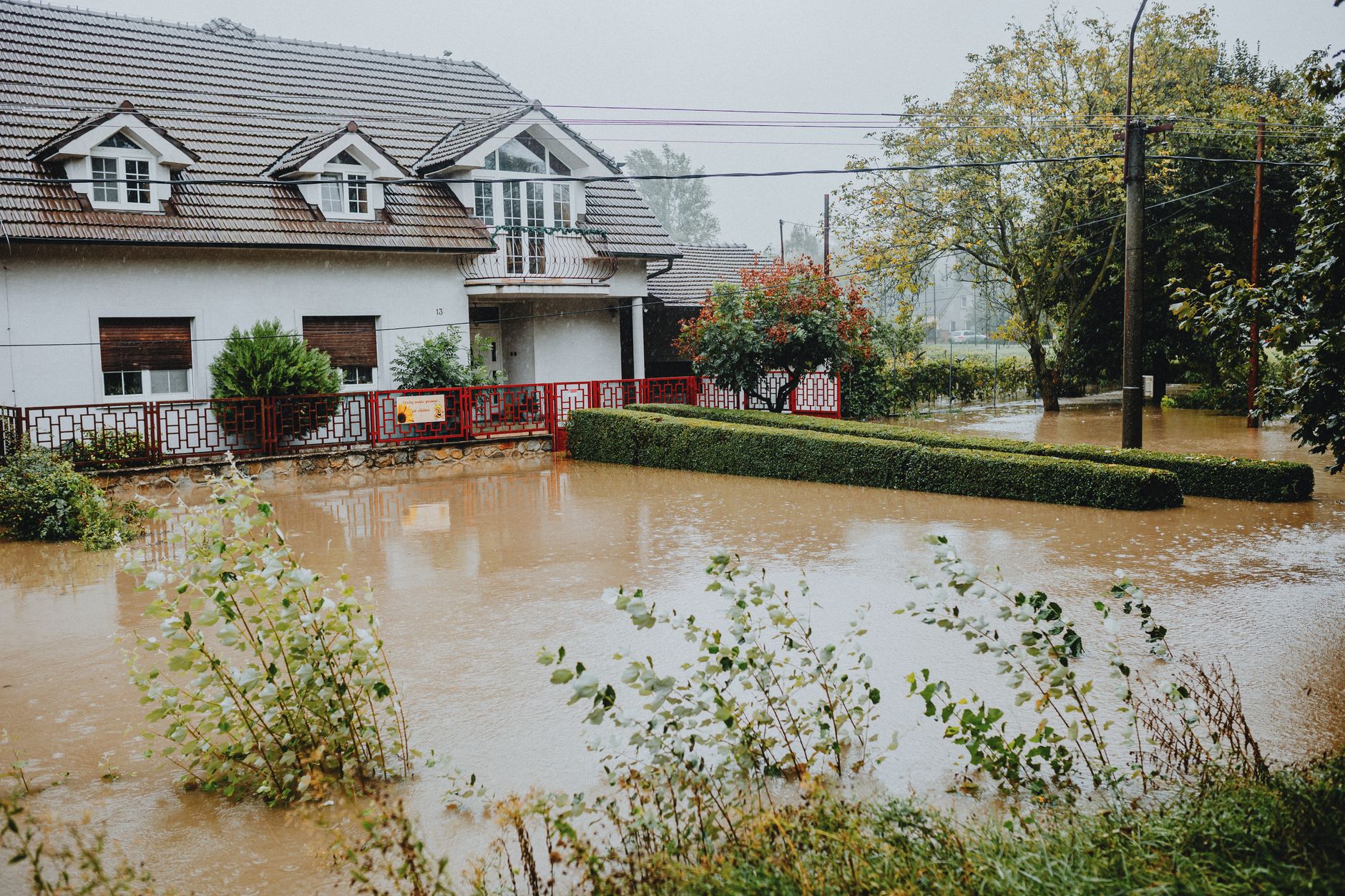
Prompt commercial water damage restoration matters because standing water spreads fast, weakening structure, ruining equipment, and inviting mold within 24 to 48 hours. Acting quickly limits downtime, lowers repair costs, and protects employee and customer health. In humid New Orleans, where storms and aging buildings raise the stakes, fast professional cleanup is the surest way to get your business back open.
At Big Easy Remediation, we know that every hour a commercial space sits under water is an hour your business loses money and momentum. A flooded storefront, office, or warehouse rarely waits for a convenient time, and the damage only grows the longer it goes untreated.
Water moves quickly and hides easily, slipping behind walls, under flooring, and into equipment long before the full picture is clear. For a business, that hidden spread can mean closed doors, lost inventory, and repair bills that climb by the day.
This guide explains why fast action is so important and what prompt restoration actually involves for a commercial property. Contact us today to schedule a professional assessment before a manageable problem turns into a costly shutdown.
Why Does Prompt Water Damage Restoration Matter So Much?
Prompt restoration matters because water damage compounds with every hour it is left alone. What starts as a thin layer of standing water can wick into drywall, soak insulation, and warp flooring before the workday is over, turning a simple cleanup into a full rebuild.
For a commercial property, the cost is never just the water itself. Closed doors mean lost revenue, idle staff, and customers who take their business elsewhere while you wait. The faster the water is extracted and the space is dried, the sooner you reopen and the less you spend.
There is also a health and safety side that grows more serious by the day. Damp materials breed mold and bacteria, and a wet floor or weakened ceiling becomes a genuine hazard for employees and visitors. Acting fast protects both your finances and the people who rely on your space.
Speed also keeps your options open. A space dried within the first day can often be saved with cleaning and minor repair, while one left to sit may force you to tear out and replace materials entirely. Every hour you reclaim early is an hour of expensive reconstruction you avoid later.
What Causes Commercial Water Damage?
Commercial water damage comes from many directions, and in our area the list is longer than most. Knowing the common sources helps you spot risks before they turn into emergencies.
Plumbing and Appliance Failures
Burst pipes, slow leaks under sinks, failed water heaters, and malfunctioning appliances are among the most frequent culprits in commercial buildings. A single supply line that lets go overnight can release hundreds of gallons before anyone arrives in the morning.
These failures are especially common in older New Orleans buildings, where aging pipes and decades-old fixtures are still in service. Routine inspection catches many of them, but some give way without warning, which is why a fast response plan matters. A pipe that fails over a weekend or holiday can flood a space for hours before anyone notices, turning a small repair into a major loss.
Roof Leaks and Building Envelope Gaps
A worn roof, clogged gutters, or gaps around windows and doors let rainwater find its way inside. In a climate with heavy, frequent downpours, even a small opening can channel a surprising amount of water into ceilings and walls.
Once water enters from above, it travels along beams and through ceiling tiles, often spreading far from the original leak. By the time a stain appears, the moisture has usually been working its way through the structure for some time. The visible mark is frequently the last sign to show up, not the first, so the real damage tends to be wider than it looks.
Storms, Flooding, and Sewer Backups
Southeast Louisiana sits at the center of hurricane season, and storm surge, flash flooding, and overwhelmed drainage systems put commercial properties at real risk. Floodwater often carries contaminants, which makes professional cleanup essential rather than optional.
Sewer backups add another layer of danger, introducing unsanitary water that requires careful handling and disinfection. These situations are never simple do-it-yourself jobs, and the safest path is to bring in a trained team right away. Contaminated water can affect every surface it touches, so proper cleanup protects both your property and the health of everyone inside.
The Real Cost of Waiting
The true price of water damage is rarely the water you can see. It is the slow, compounding harm that builds while a business owner hopes the problem will dry out on its own.
Every hour of delay gives water more time to penetrate porous materials, short out electrical systems, and ruin inventory or records. Operations grind to a halt, staff stand idle, and customers notice the closed sign and move on to a competitor. Those losses often dwarf the cost of the restoration itself, which is why speed is the single most valuable factor in any commercial water event.
There is also the matter of insurance and documentation. Quick, professional action creates a clear record of the damage and the response, which can make the claims process smoother and help demonstrate that you acted responsibly to limit the loss. Many policies expect prompt mitigation, so a slow response can complicate a claim at the worst possible moment.
How Fast Does Water Damage Spread in a Commercial Space?
Water damage moves faster than most business owners expect, and a commercial floor plan gives it plenty of room to travel. Within minutes, water spreads across floors and is absorbed into drywall and furnishings.
Within the first day, that moisture saturates structural materials, swells wood, and begins to corrode metal fixtures and fastenings. Mold can take hold within 24 to 48 hours, and once it does, the cleanup expands from drying to full remediation. The timeline below shows how quickly a single incident escalates when nothing is done.
| Time After Water Event | What Happens | Why It Matters |
|---|---|---|
| First few hours | Water spreads and soaks into porous materials | Fast extraction limits the damage area |
| Within 24 hours | Drywall swells, wood warps, metal begins to corrode | Materials may need replacement, not just drying |
| 24 to 48 hours | Mold and bacteria begin to grow | Cleanup expands to full remediation |
| After several days | Structural weakening and widespread contamination | Repairs grow far more involved and costly |
Because the worst damage often happens out of sight, a space that looks merely damp can already be in trouble. That is why we treat fast assessment and extraction as the heart of any commercial response. The goal is always to interrupt this timeline as early as possible, before drying turns into demolition.
Steps to Take the Moment You Discover Water Damage
When you find water in your commercial space, the first minutes set the tone for everything that follows. A few calm, deliberate steps protect your property and your people while help is on the way.
- Stop the source if you safely can. Shut off the main water valve for a plumbing failure, or contain the area if the source is outside your control.
- Cut power to affected areas. Water and electricity are a dangerous mix, so turn off power to flooded zones at the breaker when it is safe to reach.
- Move what you can. Relocate inventory, electronics, and important records away from the water to higher, dry ground.
- Keep people clear. Restrict access to the affected area, especially if the water may be contaminated or the ceiling looks compromised.
- Call a professional right away. A trained crew brings the equipment to extract water and dry the structure before mold takes hold.
Taking these steps quickly buys valuable time, but they are a stopgap, not a solution. The sooner trained help arrives with proper extraction and drying equipment, the more of your property you save.
Why Professional Restoration Beats a Do-It-Yourself Cleanup
Mops, towels, and a shop vacuum can clear visible water, but they cannot reach the moisture hidden inside walls, subfloors, and cavities. That trapped water is exactly what feeds mold and quietly weakens the structure long after the surface looks dry.
Our approach starts with a full assessment using moisture meters and thermal tools to map where the water has traveled. From there, we extract standing water, set up industrial drying and dehumidification, and monitor the space until it reaches a safe moisture level. We document each stage along the way, so you have a clear record of the work and the condition of your property at every step. Our experience with residential water damage restoration carries over here, so we understand the demands a working business faces.
That thorough process is the difference between a space that looks dry and one that truly is. It also protects you from the slow, expensive cycle of recurring mold and lingering structural damage that surface cleaning leaves behind. Drying a commercial building correctly the first time is far cheaper than reopening the walls months later to chase a problem that never fully went away.
How Much Does Commercial Water Damage Restoration Cost?
The cost of commercial restoration is never a single fixed number, because no two water events are the same. What you ultimately pay depends on the factors specific to your property and how quickly the problem was addressed.
Several things shape the final figure: the volume of water and how far it spread, whether the water was clean, gray, or contaminated, the materials affected, and whether structural repairs are needed once the space is dry. A leak caught within hours often calls for little more than extraction and drying, while a flood left for days can add demolition, replacement, and rebuilding to the job.
Because of this, the most reliable way to control cost is fast action followed by professional commercial water damage restoration. We provide a free, no-obligation estimate after evaluating your property, so you know exactly what the work involves before anything begins.
Why New Orleans Businesses Face Higher Water Risk
Few places test a commercial property like southeast Louisiana. Our humidity rarely lets up, hurricane season brings heavy rain and storm surge, and a single major storm can leave buildings damp for weeks at a time.
The local building stock adds to the challenge, with many commercial spaces housed in older structures built from materials that hold moisture and feed mold. Several regional conditions raise the stakes for any business here:
- Year-round humidity that keeps materials damp and slows natural drying
- Frequent storms and flooding that overwhelm drainage and push water indoors
- Aging commercial buildings with original framing, plaster, and plumbing
- Low elevation and high water tables that make standing water harder to clear
Each of these gives water a head start and mold a quicker foothold, which is why local businesses cannot afford to wait and see. A response timeline that might work in a drier climate is simply too slow here.
How to Reduce the Risk of Future Water Damage
Once your space is restored, a little prevention goes a long way toward keeping the next emergency from happening. Most commercial water damage traces back to issues that regular attention would have caught.
Inspect plumbing, water heaters, and appliances on a schedule, and watch for the small leaks and corrosion that signal bigger trouble ahead. Keep roofs, gutters, and downspouts clear so rainwater drains away from the building rather than pooling against it. Make sure your team knows where the main water shutoff is and what to do the moment they spot a leak, because a fast response from staff can save thousands. A written emergency plan, reviewed regularly, turns a panicked scramble into an organized response.
It also helps to prepare for our storm season specifically. Stocking sandbags, keeping critical records off ground level, and scheduling a pre-season inspection give your business a meaningful head start when heavy weather arrives. These small steps cost little, yet they often make the difference between a minor cleanup and a major shutdown.
Get Your Business Back Up and Running
Water damage puts more than your building at risk, threatening your revenue, your reputation, and the safety of everyone who walks through your doors. The faster you act, the more you protect on every front, and the sooner your business returns to normal.
If you are dealing with water in your commercial space, the smartest next step is a fast professional assessment. Call us today and let Big Easy Remediation dry out your New Orleans property and get you back open as quickly as possible.
Common Questions
Frequently Asked Questions About Commercial Water Damage Restoration
How quickly should I respond to commercial water damage?
Respond immediately, ideally within the first hour. Water spreads into structural materials fast, and mold can begin growing within 24 to 48 hours. The sooner extraction and drying begin, the less damage you face and the faster your business reopens.
Can I clean up commercial water damage myself?
You can remove visible standing water and move valuables to safety, but full restoration needs professional equipment. Moisture hidden inside walls and floors causes mold and structural damage that mops and shop vacuums cannot reach or properly dry.
How long does commercial water damage restoration take?
Timelines vary with the size of the area, the amount of water, and the materials affected. Drying alone often takes a few days, while jobs involving repairs or contaminated water take longer. A professional assessment gives you a realistic schedule for your property.
Does business insurance cover water damage restoration?
Coverage depends on your policy and the cause of the damage, so review your terms carefully. Fast, documented professional cleanup helps support a claim by showing you acted to limit the loss. We can provide clear records of the damage and the work performed.
What is the difference between clean, gray, and black water?
Clean water comes from sources like supply lines, gray water from appliances, and black water from sewage or flooding. Gray and black water carry contaminants and require careful handling and disinfection, which is why professional restoration is essential for those situations.
Will water damage lead to mold in my commercial building?
Yes, if moisture is not removed quickly. Mold can begin growing within 24 to 48 hours, and our humid climate keeps materials damp long enough for it to spread. Thorough drying and monitoring are the best ways to prevent it.
How can I prevent water damage in my business?
Inspect plumbing, appliances, and your roof regularly, and keep gutters and drains clear. Make sure staff know where the main shutoff is and have a written emergency plan. Catching small leaks early prevents most major water events.
Why is water damage worse for businesses in New Orleans?
Our high humidity, frequent storms, and older commercial buildings give water more chances to spread and mold a faster foothold. Low elevation and a high water table add to the risk, so local businesses need quicker action than drier regions.
Need restoration help in New Orleans?
Same-day response to water, mold, fire, and cleaning emergencies across Greater New Orleans, with a written scope before any work begins.