
Wall Cleaning Techniques for Different Paint Finishes
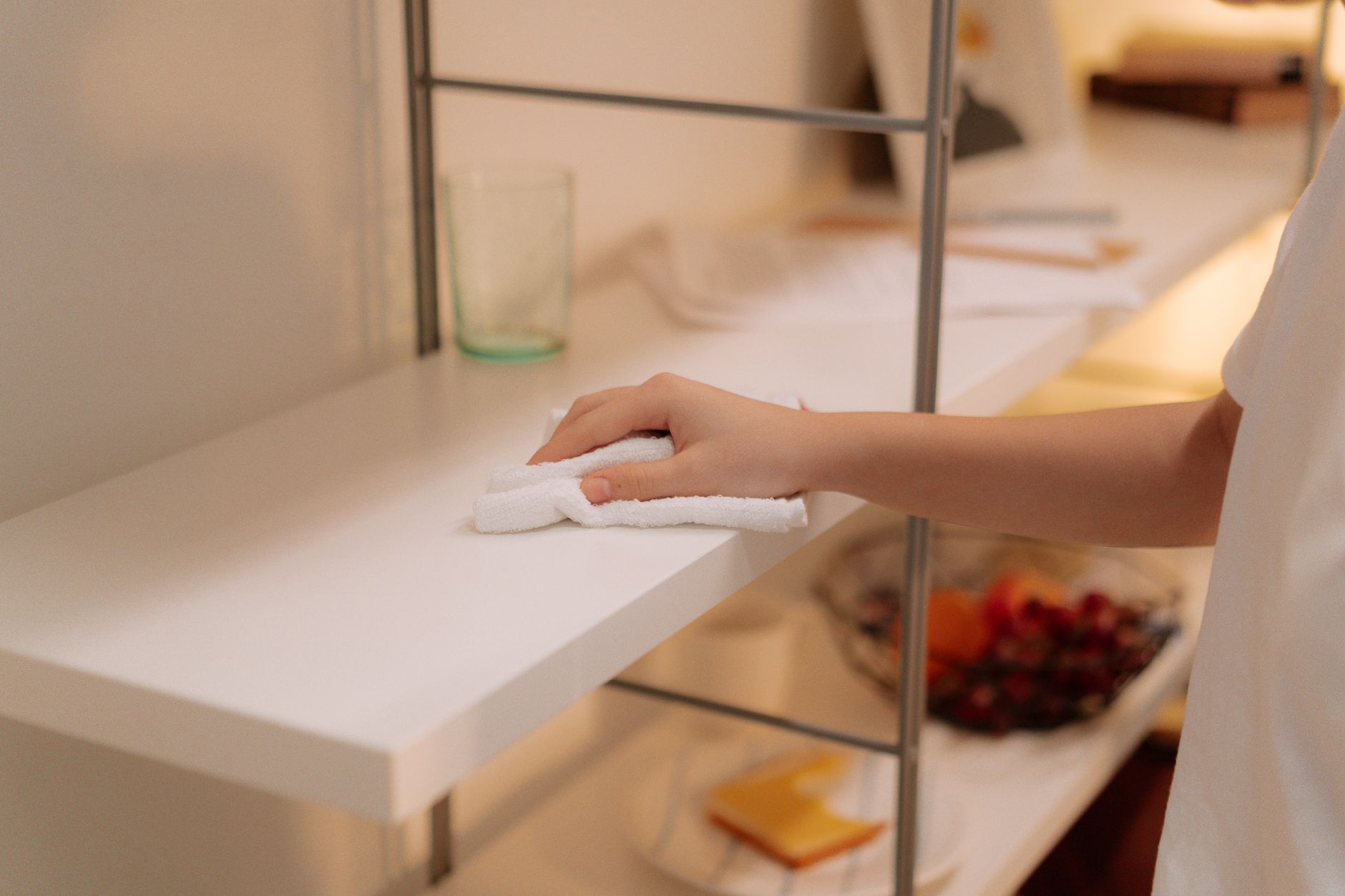
Wall cleaning depends on the paint finish: matte and eggshell need gentle dusting with a soft cloth and a mild detergent, while satin and semi-gloss can take a damp wipe. Always dust first, test a hidden spot, avoid abrasive pads and harsh chemicals, and dry the wall to prevent streaks. In humid New Orleans, careful cleaning also keeps moisture and mold in check.
At Big Easy Remediation, we know that the same cleaning method can rescue one wall and ruin another. The finish on your paint decides how much scrubbing, moisture, and pressure the surface can safely take.
In our humid Gulf Coast climate, walls collect more than ordinary dust, picking up grime, smudges, and the kind of dampness that invites mold. Cleaning them the right way keeps your home looking fresh while protecting the paint underneath.
This guide breaks down the safest cleaning approach for each common paint finish, from delicate matte to durable semi-gloss. Contact us today to schedule professional surface cleaning when a wall needs more than a quick wipe.
Why Paint Finish Changes How You Clean
The finish on your wall is essentially how much sheen the paint carries, and that sheen controls how durable and washable the surface is. Flatter finishes like matte hide imperfections beautifully but scuff and stain easily, while glossier finishes resist moisture and handle scrubbing far better.
Treating every wall the same way is the most common mistake we see. A cleaning method that restores a glossy kitchen wall can leave shiny streaks and bare patches on a matte bedroom wall.
In a city where humidity keeps walls damp and prone to marks, knowing your finish matters even more. The right technique removes the grime without thinning the paint, dulling the sheen, or driving moisture into the surface where it can feed mold.
Sheen and durability tend to move together, so the flatter the finish, the more careful you have to be. Builders use flat paints on ceilings, eggshell and satin in living spaces, and semi-gloss on trim and in damp rooms for exactly this reason. Once you can name the finish in front of you, choosing a safe method becomes far simpler.
Cleaning Matte and Flat Paint Finishes
Matte and flat finishes are the most delicate of all, so they ask for the gentlest touch. Because the surface is porous, too much water or pressure can leave permanent marks or thin spots in the paint.
Start by removing loose dust with a soft brush or a dry microfiber cloth, never an abrasive scrubber. For marks that remain, mix a little mild detergent into warm water and apply it with a soft cloth using almost no pressure.
Rinse the area with a second clean, barely damp cloth and pat it dry right away to stop streaks from forming. Work in small sections and resist the urge to scrub, since matte paint shows damage far more readily than it shows the dirt you are trying to remove.
For greasy fingerprints or scuff marks that will not lift with detergent alone, a clean pencil eraser or a dab of baking soda on a soft cloth can sometimes help. Use the lightest touch possible and stop the moment the mark fades, since pressing too hard leaves a shiny spot. When a stain will not budge, a small touch-up with matching paint is often kinder to the wall than aggressive cleaning.
Cleaning Eggshell Paint Finishes
Eggshell has a soft, low sheen that makes it a little more forgiving than matte, though it still needs a careful hand. Regular dusting with a soft, dry cloth removes everyday debris before it has a chance to settle into the surface.
For stubborn marks, reach for mild detergent and warm water applied with a soft cloth or sponge, and steer clear of abrasive pads and harsh chemicals. After cleaning, rinse with clean water and pat the wall dry rather than letting it air dry into streaks.
Always test any new cleaning method on an inconspicuous corner first, such as behind a door or low near the baseboard. That quick test confirms the finish will not discolor or dull before you work across a wall everyone can see.
Eggshell is a popular choice for hallways, dining rooms, and bedrooms because it balances a soft look with everyday washability. Cleaning it on a light, consistent schedule beats waiting for grime to set, since fresh smudges lift with a gentle wipe while older buildup may need repeated passes that risk wearing the sheen.
Cleaning Satin and Semi-Gloss Finishes
Satin and semi-gloss finishes carry more sheen, which makes them tougher and far easier to clean than flatter paints. These are the finishes you often find in kitchens, bathrooms, hallways, and trim, exactly where New Orleans humidity and daily traffic leave the most marks.
Because they stand up better to moisture and gentle scrubbing, you can clean them with a little more confidence, though harsh chemicals and rough pads still cause damage. Use the simple routine below to match your method to each finish.
Caring for Satin Finishes
Dust satin walls regularly with a lint-free cloth or a soft duster to keep grit from building up. When stains appear, clean them with a mild soap and water solution applied gently, working the marks loose rather than grinding at them.
Protect satin surfaces from sharp objects and heavy furniture that can scratch the sheen. Address any chips or scuffs promptly with a touch of matching satin paint so the repair blends in seamlessly.
Satin holds up well in busier rooms, but its slight sheen can highlight uneven cleaning if you let a section dry mid-wipe. Work top to bottom in one continuous pass and keep a dry cloth handy to buff out any drips before they set. This keeps the finish looking even and saves you from chasing streaks across an otherwise clean wall.
Cleaning Semi-Gloss Finishes
Semi-gloss shows fingerprints and smudges easily, but it also cleans up the most readily of the common finishes. Wipe it down with a soft, lint-free or microfiber cloth dampened with warm water, moving in light circular motions.
For stubborn stains, add a small amount of mild dish soap to the water and wipe again. Rinse the area with clean water and dry it with a soft cloth to remove residue and bring back the natural shine.
Because semi-gloss is common in kitchens and bathrooms, it often faces grease, splatter, and steam that flatter finishes never see. A regular wipe-down keeps these residues from baking onto the surface, where they grow harder to remove over time. The good news is that this finish rewards consistent care, returning to a clean shine with very little effort when you stay ahead of the buildup.
Handling High-Touch and Trim Areas
Doorframes, light switches, baseboards, and hallway corners take the most contact and the most grime. Because these spots are usually painted in satin or semi-gloss, they tolerate slightly more frequent cleaning than open wall space.
Wipe high-touch areas with a damp cloth on a regular schedule rather than waiting for visible buildup. Catching grime early keeps it from setting into the finish and saves you from harder scrubbing later.
Pay special attention to the wall around light switches, door handles, and the edges where hands brush as people pass. These narrow zones collect oils and dirt faster than the open wall, so a quick targeted wipe there does more for a room’s appearance than cleaning the whole surface. Keeping them fresh also reduces the temptation to scrub a broad area aggressively when only a few spots are truly dirty.
A Quick Reference by Paint Finish
Different finishes call for different tools, cleaners, and levels of caution, and it helps to see them side by side. The table below summarizes the safest approach for each common paint finish so you can match your method to your wall at a glance.
| Paint Finish | Best Cleaning Method | What to Avoid |
|---|---|---|
| Matte and flat | Dry dusting, then a barely damp cloth with mild detergent | Scrubbing, excess water, and any pressure |
| Eggshell | Soft dusting, then mild detergent and warm water | Abrasive pads and harsh chemicals |
| Satin | Lint-free dusting, then mild soap and water | Sharp objects and abrasive materials |
| Semi-gloss | Damp microfiber cloth, mild dish soap for stains | Abrasive brushes and harsh chemicals |
Best Practices That Work for Every Finish
No matter what finish you are working with, a few core habits protect both the paint and the wall beneath it. Following the same careful sequence each time keeps your results consistent and your surfaces undamaged.
- Dust before you wet clean. Remove loose dirt with a soft cloth first so you do not grind grit into the finish.
- Use mild cleaners only. Stick to a small amount of mild detergent or soap in warm water and skip harsh chemicals entirely.
- Wring out your cloth. Clean with a damp, well-wrung cloth in gentle circular motions to avoid soaking the wall.
- Rinse and dry. Wipe with clean water, then dry with a soft towel to prevent water spots and streaks.
- Test first. Try any new method on a hidden area before cleaning a visible stretch of wall.
These steps take only a few extra minutes, yet they make the difference between a refreshed wall and a damaged one. When buildup or staining goes beyond a routine wipe, our professional wall cleaning service handles it without putting your finish at risk.
Why Humidity Makes Wall Cleaning Trickier in New Orleans
Our climate adds a challenge that drier regions rarely face: walls here stay damp far longer after cleaning. Standing moisture left on a porous finish does not just cause streaks, it creates the exact conditions mold needs to take hold.
That is why drying matters as much as cleaning in local homes. A wall that feels clean but stays damp behind the paint can grow problems you will not see until a musty smell or a faint stain appears weeks later.
Older New Orleans homes raise the stakes further, since original plaster and aging drywall absorb moisture readily. When you clean walls in these spaces, work in small sections, use as little water as possible, and dry each area fully before moving on.
It also helps to clean on a drier, lower-humidity day and to run a fan or your air conditioning afterward so surfaces dry quickly. Storm season and the weeks that follow are the riskiest times, since walls may already be holding extra moisture from rain and rising humidity. Pairing careful cleaning with good airflow keeps a routine chore from accidentally setting the stage for mildew in a climate that already favors it.
When Cleaning Is Not Enough
Sometimes a wall needs more than a careful wipe, and recognizing that line saves you time and money. Discoloration that keeps coming back, soft or bubbling paint, and a persistent musty smell all point to moisture or mold living inside the wall rather than dirt sitting on top of it.
In those cases, surface cleaning only treats the symptom while the real problem keeps spreading. If a wall has been touched by a leak, a flood, or long-term dampness, the safer move is a professional assessment that checks what is happening behind the paint. Our professional cleaning services cover the whole home, and we can spot when a cleaning issue has quietly become a moisture or mold issue.
Trust Your Toughest Walls to a Professional
When a wall has heavy staining, smoke residue, or any history of water damage, the right call is to bring in a trained crew rather than risk the finish or miss a deeper problem. Cleaning the surface is simple, but knowing when grime is hiding mold or moisture is where experience pays off, and that is exactly what we bring to every New Orleans home we serve.
The best wall cleaning protects your paint today and protects your home for the long run, and we handle both in one visit. Call us today and let Big Easy Remediation keep your walls clean, dry, and free of hidden damage.
Common Questions
Frequently Asked Questions About Wall Cleaning by Paint Finish
How do I know what paint finish is on my walls?
Look at how the wall reflects light at an angle: a flat, non-reflective surface is matte, a soft low glow is eggshell, a gentle velvety sheen is satin, and a noticeably shiny surface is semi-gloss. Kitchens, bathrooms, and trim are usually satin or semi-gloss.
Can I use the same cleaner on every paint finish?
A mild detergent or soap diluted in warm water is safe across most finishes, which is what makes it the go-to choice. The real difference is technique, since flat and matte paints need far less water and pressure than durable satin and semi-gloss.
Will scrubbing damage my matte walls?
Yes, scrubbing is the fastest way to ruin a matte or flat finish, since it can thin the paint and leave shiny or bare patches. Use only light circular motions with a barely damp cloth, and never apply firm pressure to flat surfaces.
How do I remove stubborn stains without harming the paint?
Start with the gentlest option, a damp cloth and mild soap, then let it sit briefly before wiping rather than scrubbing harder. Always test a hidden area first, and if the stain keeps returning, it may signal moisture behind the wall.
Why do my walls keep getting dirty so quickly in New Orleans?
High humidity, frequent storms, and indoor moisture cause dust and grime to cling to walls more readily here. Damp surfaces attract buildup and, if left wet, can encourage mildew, which is why regular gentle cleaning and good drying matter.
Is it safe to clean walls myself, or should I hire a professional?
Routine dusting and light cleaning are easy to handle yourself with the right method for your finish. Call a professional when you face heavy staining, smoke residue, large affected areas, or any sign of moisture or mold inside the wall.
What does a musty smell coming from my walls mean?
A persistent musty odor usually points to moisture or mold inside the wall rather than surface dirt. Cleaning the paint will not fix it, so the wall should be professionally inspected to find and treat the underlying source of the dampness.
How often should I clean my interior walls?
Dust walls every few weeks and spot-clean marks as they appear, with high-touch areas like switches and trim needing more frequent attention. In our humid local climate, a deeper clean a couple of times each year helps keep grime and moisture from building up.
Need restoration help in New Orleans?
Same-day response to water, mold, fire, and cleaning emergencies across Greater New Orleans, with a written scope before any work begins.