
Boost Productivity with Clean Ceilings in Your New Orleans Workplace
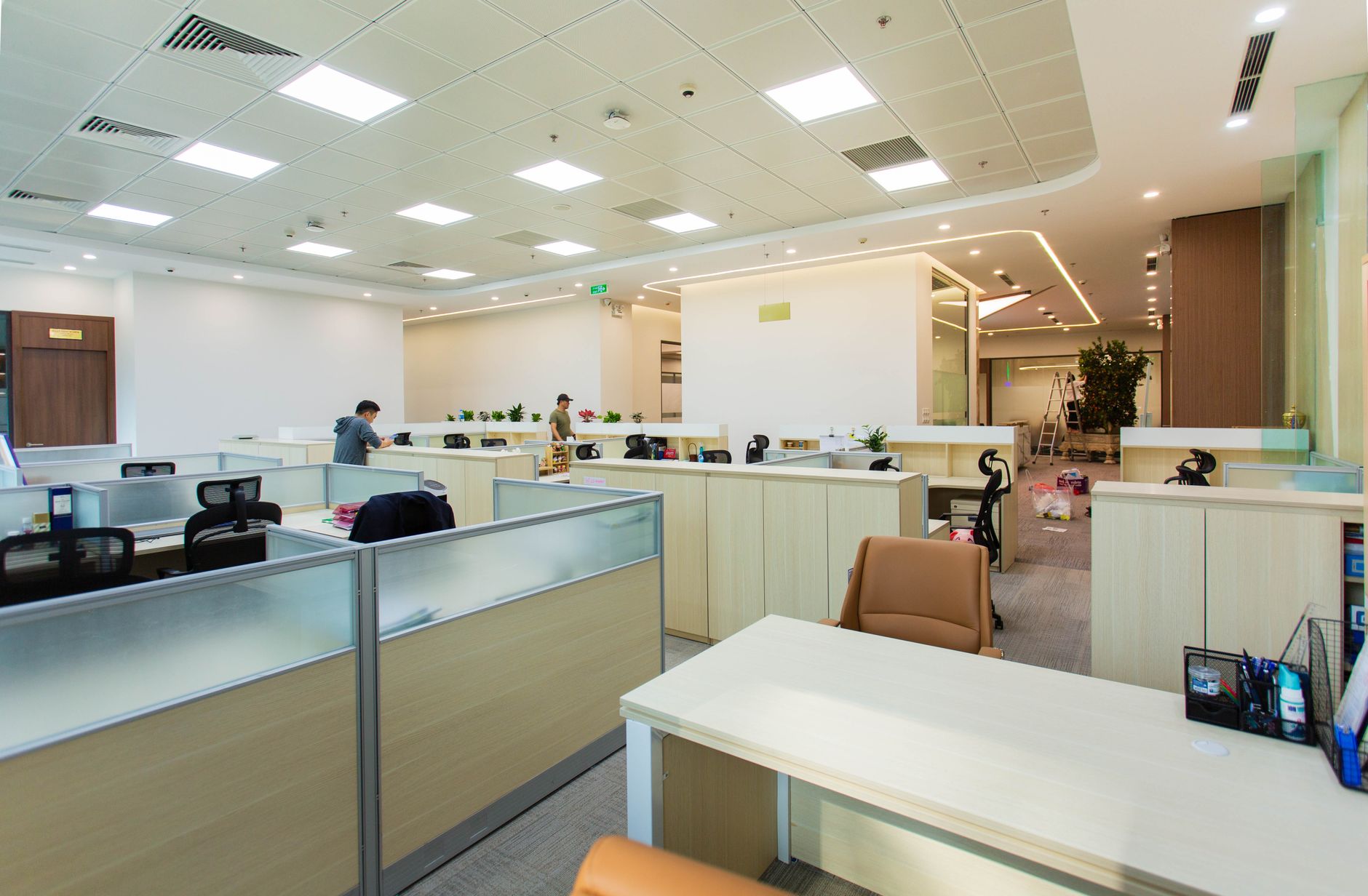
Clean ceilings boost productivity by removing the dust, stains, and hidden mold that drag down indoor air quality, focus, and morale. Clearer air helps employees think and breathe better, while a spotless overhead surface signals professionalism to every client who walks in. In humid New Orleans, regular ceiling cleaning also keeps moisture-loving growth from taking hold and spreading through your workspace.
At Big Easy Remediation, we see how often the ceiling becomes the most neglected surface in an otherwise tidy office. It sits out of easy reach, collects dust and grime for years, and quietly affects the air everyone below it breathes.
Most business owners focus on floors and desks while the surface overhead slowly darkens with dust, stains, and humidity damage. In our Gulf Coast climate, that buildup does more than look bad, since it can trap allergens and feed moisture problems that hurt both health and productivity.
This guide explains how clean ceilings shape air quality, focus, morale, and your professional image, plus what a proper cleaning involves. Contact us today to schedule professional ceiling cleaning before the buildup overhead starts working against your team.
How Do Clean Ceilings Boost Productivity?
Clean ceilings boost productivity by improving the air your team breathes and removing visual distractions that pull focus away from work. Dust, allergens, and pollutants settle on overhead surfaces over time, then circulate through the room every time the air conditioning runs.
When that buildup is gone, the air feels fresher and employees tend to think more clearly and stay focused longer. A stained, grimy ceiling also creates a low-level sense of neglect that quietly wears on morale throughout the day.
In a humid city like New Orleans, ceilings collect moisture and grow discolored faster than they would in a drier climate. Keeping them clean is a simple, often-overlooked way to protect both the comfort and the output of everyone working below.
Why Indoor Air Quality Starts Overhead
The ceiling is one of the largest surfaces in any room, so whatever collects there has an outsized effect on the air below. Dust, dander, and airborne particles settle on tiles and corners, then drift back down or get pulled into the heating and cooling system.
Once those particles enter your air handling system, they spread to every room the system serves. A single dusty ceiling can quietly affect the air quality of an entire floor rather than just the space directly beneath it.
Poor indoor air shows up in subtle but real ways across a workday. Common effects of a neglected ceiling include:
- More frequent sneezing and congestion among staff and visitors
- Lingering stuffiness that no amount of desk cleaning seems to fix
- Aggravated asthma or allergy symptoms in sensitive employees
- A stale, closed-in feeling that makes the space less pleasant to work in
Clearing that buildup at the source gives your air system far less to circulate, which keeps the whole workspace fresher.
The Hidden Link Between Ceilings and Mold
In New Orleans, the bigger concern overhead is not just dust but moisture. High humidity, heavy summer storms, and roof or plumbing leaks can all leave ceilings damp long enough for mold to take hold.
Water stains, dark blotches, or a faint musty smell near the ceiling are early warning signs that moisture has settled in. Because mold can begin growing within 24 to 48 hours of water exposure, a slow leak above a ceiling tile can turn into a real problem before anyone notices.
Once mold establishes itself overhead, it releases spores that travel through the air and settle elsewhere in the building. That is why a discolored ceiling is worth investigating rather than simply painting over, since the underlying moisture issue will keep feeding growth until it is addressed.
Benefits of Professional Ceiling Cleaning
Professional ceiling cleaning goes well beyond dusting the surface you can reach with a broom. A trained crew brings the right equipment to reach high ceilings, recessed tiles, and tight corners safely, then uses methods matched to the material so nothing gets damaged.
That expertise matters because ceiling materials vary widely. Acoustic tiles, painted drywall, exposed beams, and metal panels each respond differently to cleaning, and the wrong approach can stain, warp, or weaken them.
There are a few clear reasons businesses bring in professionals rather than handling ceilings in-house:
- Reach and safety, since high or sloped ceilings often require specialized equipment
- Material protection, because experienced crews match the method to the surface
- Thorough results, removing embedded grime that surface dusting leaves behind
- Time savings, freeing your staff to focus on running the business
Done correctly, professional cleaning also extends the life of your ceiling, since built-up grime and moisture shorten the lifespan of tiles and finishes over time.
How Clean Ceilings Lift Employee Morale
A well-maintained workspace tells your team that their environment, and their comfort, actually matter. When even the overhead surfaces are clean and bright, employees feel a sense of pride in where they work rather than quietly tuning out a neglected space.
The opposite is just as true. Dingy, stained ceilings make a room feel tired and uncared for, and that impression settles over a team whether or not anyone mentions it out loud.
Bright, clean ceilings also reflect light more effectively, which makes a room feel more open and energizing. In a city where summer days can feel heavy and humid, a workspace that feels light and fresh makes a real difference to how people experience their day. Small details like a spotless ceiling add up to an environment people are glad to spend their hours in.
Clean Ceilings and Your Professional Image
Clients notice more than they let on the moment they walk into your space. A clean, bright ceiling signals attention to detail and care, while stained or sagging tiles suggest the opposite no matter how polished the rest of the room looks.
That overhead surface frames every meeting, presentation, and first impression. When it is spotless, it quietly reinforces that your business takes pride in its work and its environment.
For customer-facing spaces in particular, ceiling condition shapes confidence. The table below shows how a neglected ceiling and a well-maintained one send very different messages to the people who visit your business.
| Ceiling Condition | What Clients Notice | Impression It Creates |
|---|---|---|
| Water stains or dark blotches | Past or ongoing moisture trouble | Suggests upkeep is being deferred |
| Dusty, dull tiles | A general lack of attention | Reads as careless or rundown |
| Sagging or damaged panels | Possible structural or leak issues | Raises doubt about reliability |
| Bright, spotless surface | A space that is cared for | Builds trust and professionalism |
For a complete refresh, many businesses pair ceiling work with our broader commercial cleaning services so the entire space looks consistent from floor to ceiling.
Why Kitchen and Breakroom Ceilings Need Extra Care
Ceilings in kitchens and breakrooms face challenges the rest of your space does not. Cooking sends grease, steam, and food particles upward, where they cling to tiles and panels and build into a sticky, discolored film over time.
That buildup is more than unsightly. Grease and grime trap odors, attract pests, and create a surface where bacteria and mold can establish themselves, all of which can compromise hygiene in a food-handling area.
Regular cleaning of these ceilings keeps your space compliant with health expectations and protects everyone who uses it. Because grease bonds tightly to overhead surfaces, these areas usually call for professional attention, since the wall cleaning and surface work involved goes beyond what a quick wipe-down can manage. Pairing ceiling, wall, and floor cleaning in these rooms keeps the whole area sanitary.
What Professional Ceiling Cleaning Involves
A proper ceiling cleaning starts with an inspection, not a sponge. We look at the material, check for signs of moisture or staining, and identify whether the discoloration is ordinary grime or a sign of something more serious like a leak or mold.
From there, the method is matched to the surface. Acoustic tiles, painted finishes, and exposed structures each need a different approach, and using the right one protects the material while still lifting away embedded dirt.
If we find evidence of water damage or growth during the process, we address the underlying issue rather than simply cleaning over it. A surface that looks better but still hides a moisture source will only discolor again, so finding and resolving the cause is what makes the result actually last.
We also take care to protect the space below while we work, covering furniture and equipment so your operations can resume quickly once the job is done. The goal is a ceiling that looks clean, breathes clean, and stays that way well into the future.
Signs Your Ceilings Are Overdue for Cleaning
Most ceilings give clear signals when they need attention, but because we rarely look up, those signs go unnoticed for a long time. Knowing what to watch for helps you act before a cosmetic issue becomes a costly one.
Pay attention to your overhead surfaces if you notice any of the following:
- Visible dust or cobwebs gathering in corners and around vents
- Yellowing or graying tiles that have dulled compared to when they were new
- Water stains or dark rings that point to a past or current leak
- A faint musty odor that lingers near the ceiling even after cleaning elsewhere
- More allergy complaints from staff working under a particular section
Any one of these is worth a closer look. Several together usually mean the buildup overhead is already affecting your air quality, and a professional cleaning, paired with our sanitation services where needed, is the most reliable way to reset the space.
How Often Should You Clean Office Ceilings?
How often a ceiling needs cleaning depends on the space and how it is used. A quiet private office collects buildup slowly, while a busy restaurant kitchen or a high-traffic lobby accumulates grime and moisture far more quickly.
In our humid climate, most commercial ceilings benefit from professional cleaning at least once a year, with kitchens and other heavy-use areas needing it more often. Spaces near frequent water exposure or with a history of leaks deserve closer attention, since moisture problems tend to recur in our region.
It also helps to schedule cleaning around your busy seasons and after major weather events. A heavy storm or a stretch of intense humidity can leave ceilings damp and primed for buildup, so a check afterward catches trouble early.
The simplest rule is to clean before the buildup becomes obvious rather than after. Staying ahead of dust and moisture keeps your air healthier and your ceilings in better shape, and it costs far less than repairing surfaces that have been left to deteriorate.
Protect Your Workplace From the Top Down
A clean ceiling is one of the quietest investments you can make in a healthier, more productive workplace. It is also one of the easiest to overlook. Clearing the dust, grime, and hidden moisture overhead protects your air, your image, and the comfort of everyone who works beneath it.
If your ceilings are stained, dull, or showing signs of moisture, the smartest next step is a professional cleaning and inspection. Call us today and let Big Easy Remediation keep your New Orleans workplace fresh, healthy, and ready to impress.
Common Questions
Frequently Asked Questions About Clean Ceilings and Workplace Air
How do clean ceilings improve productivity?
Clean ceilings improve productivity by removing the dust and allergens that settle overhead and circulate through the air your team breathes. Fresher air supports clearer thinking and fewer health complaints, while a bright, well-kept surface reduces the sense of neglect that can quietly wear on focus and morale.
Can a dirty ceiling really affect indoor air quality?
Yes, a dirty ceiling holds dust, dander, and pollutants that drift back down or get pulled into your air conditioning system. Because the ceiling is such a large surface, that buildup can affect the air across an entire floor, leading to more sneezing, congestion, and aggravated allergy symptoms among staff and visitors.
How can I tell if a ceiling stain is mold or just dirt?
Mold near a ceiling usually appears as dark, irregular blotches, often paired with a musty smell or a known history of leaks. Ordinary dirt wipes away and stays gone, while moisture-related staining tends to return. If a stain reappears or spreads, it is worth a professional inspection.
How often should commercial ceilings be cleaned?
Most commercial ceilings benefit from professional cleaning at least once a year, though high-traffic and food-service spaces need it more often. In humid New Orleans, ceilings collect moisture and grime faster, so kitchens, lobbies, and areas near past leaks deserve more frequent attention to stay clean and healthy.
Why hire professionals instead of cleaning ceilings myself?
Professionals bring the equipment to reach high or sloped ceilings safely and match their methods to the material so nothing gets damaged. They also remove embedded grime that surface dusting misses and can spot moisture or mold issues early, saving your staff time and protecting the ceiling from accidental harm.
Do kitchen ceilings need special cleaning?
Yes, kitchen and breakroom ceilings collect grease, steam, and food particles that build into a sticky, odor-trapping film. That buildup can attract pests and harbor bacteria or mold, so these surfaces usually need professional attention with methods designed to cut through grease without damaging the material underneath.
Will cleaning a stained ceiling fix the underlying problem?
Cleaning improves how a ceiling looks, but if a stain comes from a leak or moisture source, the discoloration will return until that cause is fixed. A proper cleaning includes checking for the underlying issue, so the problem is resolved at the source rather than simply covered over.
Does ceiling cleaning help with allergies at work?
It often does, since ceilings collect the dust, dander, and spores that trigger allergy and asthma symptoms indoors. Removing that buildup gives your air system far less to circulate, which can ease congestion, sneezing, and irritation for sensitive employees who work beneath the affected areas.
Need restoration help in New Orleans?
Same-day response to water, mold, fire, and cleaning emergencies across Greater New Orleans, with a written scope before any work begins.