
Revitalize Your Home With Regular Floor Cleaning
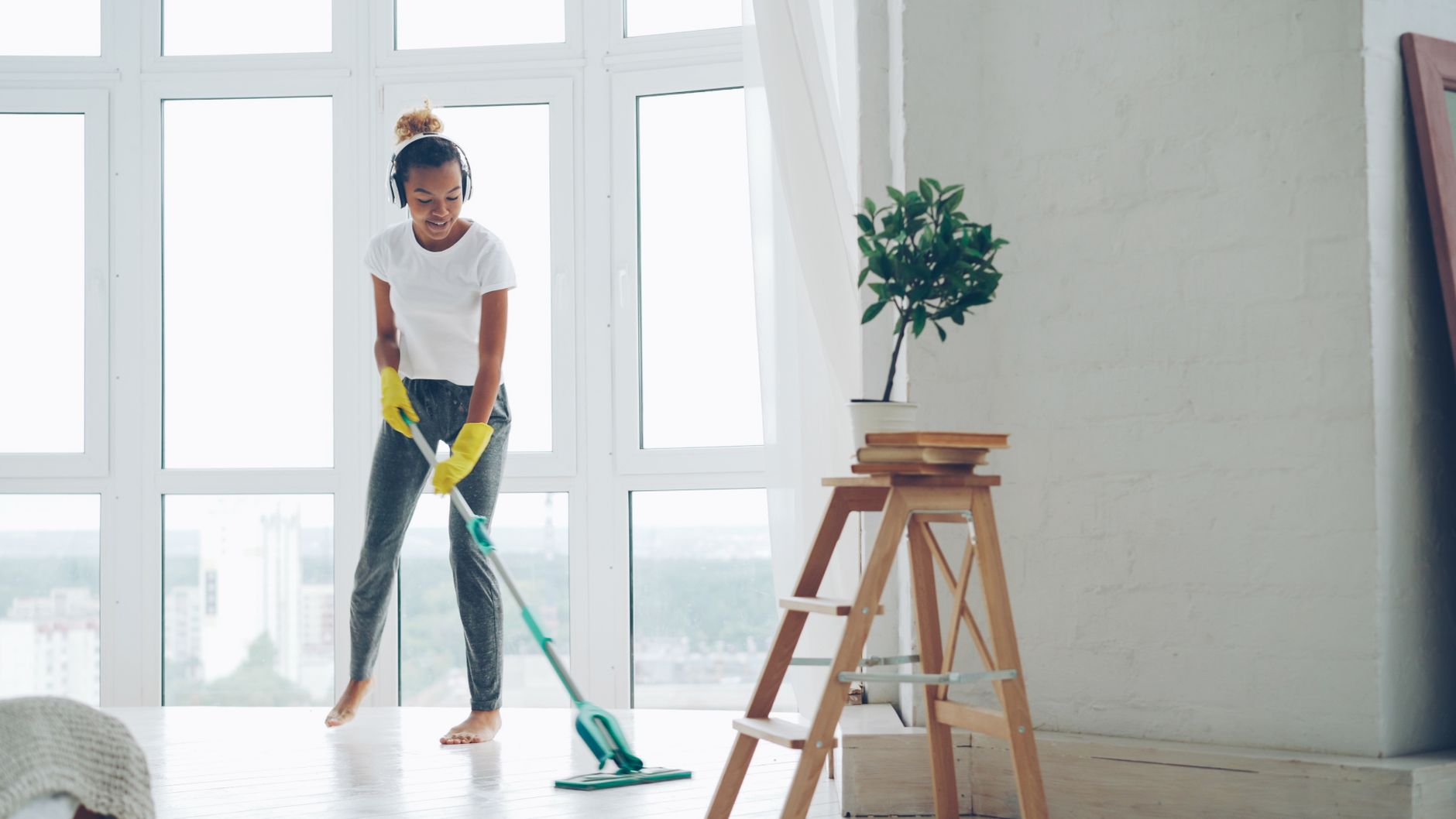
Regular floor cleaning protects your family’s health, extends the life of your flooring, and keeps your indoor air fresher. Sweeping, mopping, and vacuuming remove the dust, allergens, and bacteria that settle on every surface. In humid New Orleans, where moisture and grime build quickly, a consistent cleaning routine paired with occasional professional deep cleaning keeps your floors looking their best and your home healthier year round.
At Big Easy Remediation, we know how quickly floors collect dirt, allergens, and moisture in our warm Gulf Coast climate. A steady cleaning routine is one of the simplest ways to protect both your home and your family’s health.
Floors carry far more than they appear to, holding dust, pollen, pet dander, and bacteria long after the surface looks clean. The longer that buildup sits, the harder it becomes to remove and the more it affects the air you breathe.
This guide walks you through why regular floor cleaning matters and how to care for every surface in your home. Contact us today to schedule professional floor cleaning before grime and moisture take a lasting toll.
Why Does Regular Floor Cleaning Matter?
Regular floor cleaning matters because your floors collect allergens, bacteria, and moisture every single day, and all of it affects your health and your home. Clean floors mean cleaner air, safer footing, and flooring that lasts far longer before it needs repair or replacement.
In our area, the stakes are even higher than in drier parts of the country. High humidity and frequent rain track moisture indoors constantly, and that dampness lets dust, mold spores, and odors settle deep into floors, grout, and carpet padding. What looks like a clean surface can still hide a layer of grime working its way into seams and fibers.
Staying ahead of that buildup with a consistent routine is far easier than reversing months of neglect. A little regular attention keeps your floors looking their best and spares you the cost and hassle of a major restoration down the road.
The Health Benefits of Clean Floors
Floors are one of the largest surfaces in any home, so they have an outsized effect on the air your family breathes. Keeping them clean removes the particles that trigger the most common indoor health complaints.
Fewer Allergens in the Air
Dust, pollen, and pet dander settle onto floors throughout the day and get stirred back into the air with every footstep. Regular sweeping and vacuuming pull those particles out before they circulate, which eases sneezing, congestion, and itchy eyes for the whole household.
For anyone with allergies or asthma, this matters even more in our humid climate. Damp air keeps allergens clinging to surfaces longer, so frequent cleaning makes a real difference in how a room feels day to day. Carpets and rugs hold the most, which is why they need the most attention.
Fewer Germs and Bacteria
Shoes, pets, and open doors carry bacteria and germs straight onto your floors. Left alone, those microorganisms linger and can contribute to illness, especially in homes with young children who spend much of their time on the ground.
Routine mopping and disinfecting remove that hidden layer of grime you cannot see. Cleaning high-traffic paths like entryways, kitchens, and hallways often keeps the rest of the home healthier too, since those are the spots where the most dirt and bacteria enter and spread.
Safer Footing Underfoot
Dirty or cluttered floors are surprisingly easy to slip on, and damp spots make the risk worse. Grit, spills, and tracked-in mud reduce traction underfoot and raise the chance of a fall in even the most familiar room.
Keeping floors clean and dry protects everyone in the household, but it matters most for older adults and small children who are more prone to falls. In a climate where rain tracks water indoors almost daily, drying entry areas quickly is a simple safety habit well worth keeping all year.
Longer-Lasting Flooring
Clean floors are not only healthier, they last considerably longer before they need repair or replacement. Grit and grime act like sandpaper underfoot, wearing down finishes, dulling surfaces, and grinding into carpet fibers a little more with every step.
Regular cleaning lifts that abrasive layer away before it can do lasting harm to the material. In a humid setting where moisture compounds the wear, this routine care is what keeps hardwood, tile, and carpet looking new for years rather than seasons. Protecting flooring this way also protects the money you have invested in it.
Cleaner Floors, Cleaner Indoor Air
Indoor air quality is closely tied to how clean your floors are, since flooring acts like a giant filter that traps everything floating through your home. When that layer of dust and debris is left in place, every step and every gust from a vent pushes it back into the air you breathe. Floors are the largest surface in most homes, so they hold more of this hidden load than any other.
Removing dust from floors directly reduces the airborne particles your family breathes in every day. Vacuuming carpets lifts allergens out of the fibers where they hide, and mopping hard surfaces clears the fine grime that settles into seams and grout. Together, these habits keep indoor pollutants from building to levels that aggravate allergies, asthma, and everyday breathing.
In New Orleans, where windows often stay closed and air conditioning runs for much of the year, that trapped air recirculates through the same rooms again and again. Whatever rests on the floor eventually finds its way back into the air supply. Clean floors give that constant airflow far less to carry, which keeps the whole home feeling fresher and easier to breathe in.
How to Maintain Different Flooring Types
Every flooring material has its own needs, and using the wrong method can do more harm than good. A cleaner that works beautifully on tile can dull or warp a hardwood floor, so matching your routine to the surface is what keeps each one looking its best for years.
The table below breaks down the most common flooring types found in local homes and how to care for each one without causing accidental damage.
| Flooring Type | Routine Care | What to Avoid |
|---|---|---|
| Hardwood | Sweep often, mop lightly with a wood-safe cleaner | Excess water, which warps and cups the wood |
| Tile and grout | Mop regularly, scrub grout lines as needed | Letting grout stay damp, which invites mold |
| Vinyl and linoleum | Sweep, then mop with a mild detergent and warm water | Harsh or abrasive cleaners that strip the finish |
| Carpet | Vacuum weekly, treat stains promptly, deep clean periodically | Letting spills soak in, which embeds odor and mold |
Hardwood floors hold their shine when you sweep regularly and wipe spills right away, while tile rewards steady attention to the grout lines where grime and moisture quietly collect. Vinyl and linoleum are forgiving but still suffer under harsh chemicals that wear down the finish over time. Carpet needs the most consistent care of all, since its fibers trap everything that lands on them and hold moisture far longer in our humid air.
A Simple Routine for Cleaner Floors
Keeping floors clean comes down to building a few easy habits and sticking to them week after week. A steady rhythm prevents the heavy buildup that makes deep cleaning such a chore later, and it spreads the work into small, manageable tasks instead of one exhausting session.
- Sweep or vacuum daily in high-traffic areas like entryways, kitchens, and hallways
- Mop hard surfaces weekly with a cleaner matched to the flooring type
- Treat spills immediately so liquids never soak into wood, grout, or carpet
- Place mats at every entrance to catch the dirt and water tracked in from outside
- Dry damp areas fast to stop moisture from feeding mold and odor
A consistent routine like this keeps grime from ever reaching the point where it damages your floors or settles into the air. In our climate, the moisture-control habits matter just as much as the cleaning itself, since a wet floor left to sit becomes a problem far faster here than in a dry region.
Why Moisture Makes Floor Care Harder in New Orleans
Few places challenge floors the way southeast Louisiana does. Year-round humidity, frequent storms, and the constant risk of tracked-in rainwater keep our floors damp far more often than in drier regions of the country. The air itself holds enough moisture to slow drying and keep surfaces just damp enough for trouble to start.
That moisture does not just sit on the surface where you can wipe it away. It seeps into grout lines, settles beneath carpet padding, and works into the seams of wood and vinyl, where it can quietly feed mold and stubborn odors for weeks. Older homes, with their original wood floors and tight layouts, hold dampness even longer and dry out more slowly.
This is why local floors need more than an occasional once-over to stay healthy. Staying ahead of moisture and cleaning consistently protects flooring that would otherwise break down far sooner in our climate. It also stops small damp spots from turning into the kind of mold and odor problems that call for a much larger cleanup.
When Should You Call for Professional Floor Cleaning?
Routine cleaning handles the day-to-day, but some jobs call for more than a mop and a vacuum can manage. Deep-set stains, lingering odors, and grime worked into grout or carpet fibers often need professional equipment to fully lift out. When a floor still looks dull or smells musty after a thorough cleaning, that is usually the sign the problem runs deeper than the surface.
A professional deep cleaning reaches the dirt and bacteria that surface cleaning leaves behind, restoring floors that have started to look faded, stained, or worn. We also handle the moisture-related problems our climate creates so often, from carpet that has absorbed dampness to grout that keeps growing mold no matter how often you scrub it. When floors have taken on water from a leak or a storm, professional floor cleaning services and thorough carpet cleaning bring them back to a clean, healthy state.
It is also worth calling a professional before a problem spreads, not just after. Catching a damp, musty floor early often keeps the work to a straightforward cleaning rather than a full restoration later on.
How Professional Cleaning Protects Your Home
Professional cleaning does more than make floors look better, it protects the investment your flooring represents in your home. Trained crews use the right method and the right products for each surface, so nothing gets stripped, warped, or left damp enough to invite mold. That matched approach is hard to replicate with household tools alone.
Beyond the floors themselves, that deeper clean improves the air throughout your home by removing the trapped allergens and bacteria a household routine simply cannot reach. Floors that have been professionally cleaned also resist future buildup better, since the grime is gone all the way down rather than just smoothed over on top.
For broader concerns like musty smells or lingering moisture, our full range of home cleaning services addresses the source of the problem rather than just the surface. The result is a home that feels noticeably fresher and flooring that lasts the way it was meant to.
Build the Habit Before Problems Take Hold
Clean floors are not just about appearance, they are about a healthier, safer, and longer-lasting home for everyone in it. The sooner regular cleaning becomes part of your routine, the less likely grime and moisture are to cause lasting damage in our demanding climate.
If your floors need more than a household clean can deliver, the smartest next step is a professional deep cleaning. Call us today and let Big Easy Remediation help keep your New Orleans home fresh, healthy, and welcoming.
Common Questions
Frequently Asked Questions About Floor Cleaning
How often should I clean my floors?
High-traffic areas should be swept or vacuumed daily, with a thorough mopping of hard surfaces about once a week. Carpets benefit from weekly vacuuming and a deeper clean every several months. In humid climates like ours, sticking to a consistent schedule keeps dirt, allergens, and moisture from building up to the point where they damage the floor.
Does regular floor cleaning really improve indoor air quality?
Yes, floors trap dust, pollen, pet dander, and other particles that get stirred into the air with every step. Removing that buildup through regular sweeping, vacuuming, and mopping reduces airborne allergens and pollutants, which makes the air in your home noticeably cleaner and easier to breathe.
What is the best way to clean hardwood floors?
Sweep hardwood floors regularly with a soft broom or microfiber mop, and wipe spills immediately to prevent water damage. Use a cleaner made for wood, applied with a barely damp mop rather than soaking the surface. Avoid excess moisture, which can warp, stain, or cup the boards over time.
How do I keep mold from growing on my floors?
Controlling moisture is the key, so dry damp areas quickly and wipe up spills before they soak in. Pay special attention to grout lines, carpet padding, and entryways where water collects. In our humid climate, prompt drying and regular cleaning are the most reliable ways to keep mold from taking hold.
When should I hire a professional floor cleaning service?
Consider a professional when floors have deep stains, lingering odors, ground-in grime, or moisture damage that household cleaning cannot resolve. Professionals use specialized equipment that reaches dirt and bacteria below the surface, which restores tired floors and improves the air quality throughout your home.
How often do carpets need professional deep cleaning?
Most carpets benefit from a professional deep cleaning on a regular cycle, with more frequent service for homes that have pets, children, or heavy foot traffic. In humid areas like ours, deep cleaning also helps remove the moisture and odor that settle into carpet fibers and padding, where routine vacuuming alone can never quite reach.
Can dirty floors actually affect my family’s health?
Yes, floors collect allergens, bacteria, and germs that can trigger respiratory issues, allergies, and infections over time. Children who play on the ground are especially exposed to whatever has settled there. Regular cleaning removes these contaminants and reduces slip hazards, making your home both healthier and safer for everyone living in it.
What flooring mistakes should I avoid in a humid climate?
Avoid over-wetting wood floors, leaving grout or carpet damp, and using harsh chemicals that strip protective finishes. Letting spills sit is the most common mistake of all, since trapped moisture quietly feeds mold and odor. Drying floors quickly and matching your cleaner to the surface protects them for the long term in our climate.
Need restoration help in New Orleans?
Same-day response to water, mold, fire, and cleaning emergencies across Greater New Orleans, with a written scope before any work begins.