
How to Prevent Mold Growth in Your New Orleans Home
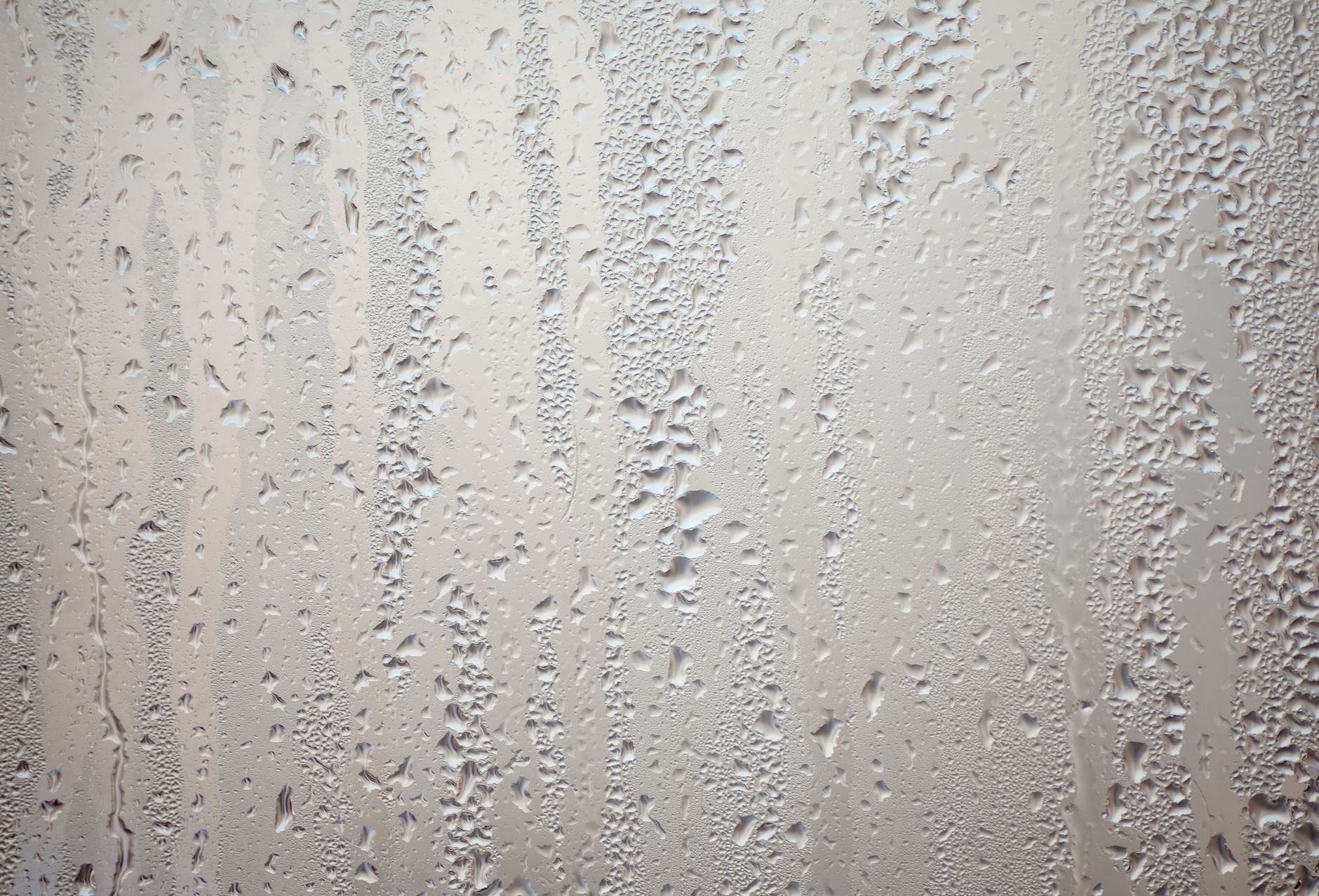
Preventing mold growth comes down to controlling moisture: keep indoor humidity in check, fix leaks fast, ventilate damp rooms like bathrooms and kitchens, and dry any wet area within a day or two. In humid New Orleans, where storms and older homes trap moisture, staying ahead of dampness is the single most reliable way to keep mold from ever taking hold in your home.
At Big Easy Remediation, we know that preventing mold is far easier and far cheaper than removing it after it spreads. The good news is that with a few consistent habits, most homeowners can stop mold before it ever starts.
Mold needs moisture to grow, and in our humid Gulf Coast climate moisture is never hard to find. That is exactly why prevention matters more here than in almost any other part of the country.
This guide walks you through the most effective ways to keep mold out of your home, from controlling humidity to knowing which rooms need the closest watch. Contact us today to schedule a professional inspection if you suspect moisture is already a problem.
What Is the Best Way to Prevent Mold Growth?
The single best way to prevent mold is to control moisture, because mold simply cannot grow without it. Keep indoor humidity in a healthy range, repair leaks the moment you find them, and dry any wet surface quickly before spores have a chance to settle.
Mold spores drift through the air in every home, indoors and out, waiting for the dampness they need to take root. Remove that dampness and the spores have nowhere to grow, no matter how many of them are floating around. In our warm, humid region, that means staying alert to moisture year-round rather than only after a major storm.
The habits that prevent mold are small and routine, but they add up. A home that stays dry and well ventilated is one where mold rarely gets the foothold it needs.
It also helps to think of prevention as a layered defense rather than a single fix. No one habit stops mold on its own, but humidity control, fast leak repair, good airflow, and quick drying together close off every path moisture might take. When those layers work as a system, even a missed leak or a humid stretch of weather is far less likely to turn into a real problem.
Why New Orleans Homes Are Especially Prone to Mold
Few places give mold a better home than southeast Louisiana. Our humidity rarely drops for long, summer storms drive moisture deep into walls and crawl spaces, and a single hurricane season can leave homes damp for weeks at a time.
Older New Orleans homes raise the stakes even further. Original wood, plaster, and tight floor plans hold moisture readily, and many properties have flooded at least once in their history. That combination of climate and aging housing stock means local homeowners cannot rely on a one-size-fits-all approach to prevention.
Understanding why your home is at risk is the first step toward protecting it. When you know that humidity, storms, and older materials all work against you, it becomes clear why consistent moisture control is not optional here, but essential to keeping your home healthy and dry.
Seasonal timing matters too. The long, humid summers and the heavy storms of hurricane season are when moisture pressure on your home runs highest, so prevention deserves extra attention during those months. A home that coasts through a dry winter can still develop a problem in August if the moisture defenses slip.
How to Control Indoor Humidity
Controlling humidity is the foundation of every mold-prevention plan. The goal is to keep moisture in the air low enough that surfaces stay dry and spores never find the dampness they need to grow.
In our climate, the air outside is often heavy with moisture, so your home’s defenses have to work harder than they would elsewhere. A few reliable tools and habits keep indoor humidity in a safe range throughout the year.
Use Your Air Conditioning and Dehumidifiers
Your air conditioning does more than cool the house. It pulls moisture out of the air as it runs. Keeping it maintained and running through our long, humid summers is one of the simplest ways to hold dampness in check.
In rooms that stay muggy, a dehumidifier adds another layer of protection. Basements, laundry rooms, and closed-off spaces benefit most, since they trap humidity that the rest of the home sheds more easily.
Improve Ventilation Throughout the Home
Stagnant air gives moisture a place to settle, so good airflow is a quiet but powerful defense. Opening windows on dry days, running ceiling fans, and keeping interior doors open all help fresh air move through the house.
The rooms that produce the most moisture need the most attention. Bathrooms, kitchens, and laundry areas should have working exhaust fans that vent humid air outside rather than into the attic.
Watch for Condensation
Condensation forms when warm, humid air meets a cool surface like a window, a pipe, or an air conditioning vent. Those small beads of water may look harmless, but they feed mold over time if they are left to sit.
Wipe down windows and sills when they fog up, insulate cold pipes that sweat, and address any surface that stays damp. Catching condensation early keeps it from becoming a steady moisture source hidden in plain sight.
Fix Leaks and Water Problems Fast
Leaks are one of the most common reasons mold gets established in a home, because they deliver a steady supply of the moisture mold needs. A slow drip under a sink or a small roof leak can keep materials damp for weeks before anyone notices.
The faster you address a water problem, the less chance mold has to grow. According to the EPA, mold can begin forming within 24 to 48 hours of water exposure, so a quick response truly is the difference between a minor repair and a major one. After any storm or heavy rain, it is worth checking the spots where water tends to sneak in.
When water damage is widespread or has soaked into walls and flooring, drying it thoroughly is a job best handled by professionals. We provide residential water damage restoration that dries the structure completely so a water problem never becomes a mold problem down the line.
Which Rooms Need the Most Attention?
Some rooms in your home are far more prone to mold than others, simply because they hold more moisture. Knowing which spaces to watch helps you focus your prevention efforts where they matter most.
The high-risk rooms tend to share a common trait: they either produce moisture, trap it, or both. Bathrooms generate steam with every shower, kitchens release moisture from cooking and dishwashing, and laundry rooms add humidity from washers and dryers. Basements, attics, and crawl spaces collect dampness from poor airflow and ground moisture, often without anyone setting foot in them for weeks.
Use the quick reference below to match each high-risk area to the prevention step that protects it best.
| Room or Area | Why Mold Likes It | Prevention Step |
|---|---|---|
| Bathroom | Constant steam and standing water | Run an exhaust fan and squeegee surfaces |
| Kitchen | Cooking moisture and under-sink leaks | Ventilate and check plumbing often |
| Basement | Traps humidity with little airflow | Run a dehumidifier year-round |
| Attic and crawl space | Poor ventilation and trapped damp air | Improve airflow and inspect after storms |
A short walk through these rooms once a month, looking for dampness, stains, or musty odors, goes a long way toward catching trouble before it spreads.
Everyday Habits That Keep Mold Away
Prevention is not a one-time project; it is a set of small routines that protect your home over the long run. The most effective habits are simple enough to fit into normal life, yet powerful enough to stop mold before it starts.
Building these into your weekly routine keeps moisture from ever reaching the level mold needs. A few minutes of attention here and there saves a great deal of trouble later.
- Dry wet areas within a day. Never let soaked towels, spilled water, or damp laundry sit longer than 24 hours.
- Run exhaust fans during and after showers. Give bathrooms 20 to 30 minutes of ventilation to clear the steam.
- Squeegee shower walls and tubs. Removing standing water after each use denies mold the moisture it depends on.
- Empty and clean drip pans. Air conditioning units and dehumidifiers collect water that can grow mold if left to stand.
- Keep gutters and downspouts clear. Proper drainage steers rainwater away from your foundation and walls.
Stick with these habits and you remove the conditions mold needs to thrive. Consistency matters far more than intensity, since mold sets in quietly over time rather than all at once.
Protect Your Home From the Outside In
Much of the moisture that fuels indoor mold actually starts outside. Rainwater, poor drainage, and storm damage all push dampness toward your foundation and walls, where it can seep in unnoticed.
Keeping your home’s exterior in good shape is a quiet but important part of mold prevention. Make sure your roof is sound, your gutters carry water away from the house, and the ground around your foundation slopes outward rather than toward it. After our frequent storms, a quick check for missing shingles, pooling water, or damp spots near the foundation can catch problems before they reach indoors.
Sealing gaps around windows, doors, and pipe penetrations also keeps humid outdoor air and rainwater from finding their way in. In a climate like ours, where heavy rain is routine, these outdoor defenses do as much to prevent mold as anything you do inside.
When to Call in a Professional
Most everyday prevention is something you can handle yourself, but some situations call for trained help. If your home has flooded, if you notice a persistent musty smell, or if you suspect moisture is hiding behind walls or under floors, a professional inspection is the safest move.
Experts can find hidden moisture and early growth that a casual look usually misses, then address the source before it spreads. We handle both residential mold removal and the moisture problems that cause it, so the fix lasts rather than buying a few weeks of relief. You can also explore our full range of mold services to see how we protect homes from the first inspection to the final dryness check.
After a major water event, professional help is the safer call, since standing water often soaks into materials that look dry on the surface. Catching that hidden moisture early is always cheaper and simpler than dealing with a full infestation later.
Start Preventing Mold Before It Starts
The most reliable way to deal with mold is to never give it the chance to grow, and that comes down to staying ahead of moisture every season. Simple, consistent habits protect your home, your air quality, and your peace of mind far better than any cleanup after the fact.
If you are worried that moisture has already taken hold, or you want an expert eye on a home with a history of water trouble, the safest step is a professional inspection. Call us today and let Big Easy Remediation help keep your New Orleans home dry, healthy, and mold-free for the long run.
Common Questions
Frequently Asked Questions About Mold Prevention
What humidity level prevents mold growth?
The EPA recommends keeping indoor humidity below roughly 50 to 60 percent, which makes it very difficult for mold to grow. In our humid climate, running air conditioning and dehumidifiers helps hold moisture in that safe range, especially in basements, laundry rooms, and other spaces that trap dampness.
How quickly can mold start growing after water exposure?
According to the EPA, mold can begin growing within 24 to 48 hours of water exposure, which is why fast cleanup matters so much. Drying any wet area thoroughly within a day or two is the single most effective way to stop mold before it ever sets in.
Which rooms are most likely to develop mold?
Bathrooms, kitchens, basements, attics, and laundry rooms face the highest risk because they either produce moisture or trap it. These spaces deserve the closest watch, with regular ventilation, leak checks, and a quick look for any musty smell or dampness.
Does running my air conditioning help prevent mold?
Yes, your air conditioning pulls moisture out of the air as it cools, which lowers indoor humidity and discourages mold. Keeping the system maintained and running through our long, humid summers is one of the simplest and most effective prevention steps you can take.
Can I prevent mold without professional help?
Most everyday prevention is well within reach: control humidity, fix leaks fast, ventilate damp rooms, and dry wet areas quickly. Professional help becomes important after flooding, when a musty smell lingers, or when you suspect hidden moisture behind walls or under floors.
Why is mold prevention so important in New Orleans?
Our high humidity, frequent storms, and older housing stock give mold ideal conditions to grow. Local homes hold moisture more readily than those in drier regions, so consistent prevention is essential rather than optional for protecting your health and your property.
Does bleach prevent mold from coming back?
Bleach may lighten surface mold, but it often leaves the roots behind on porous materials and does nothing to fix the moisture causing the problem. Lasting prevention comes from controlling dampness, not from chemical sprays that treat only what you can see.
How often should I check my home for mold risk?
A quick monthly walk through high-risk rooms, scanning for damp patches, discoloration, or a musty smell, keeps you ahead of trouble. After any flooding, major storm, or plumbing issue, inspect your home promptly, since those events create exactly the conditions mold needs to grow.
Need restoration help in New Orleans?
Same-day response to water, mold, fire, and cleaning emergencies across Greater New Orleans, with a written scope before any work begins.