
The Hidden Dangers of Smoke Damage and How to Address Them
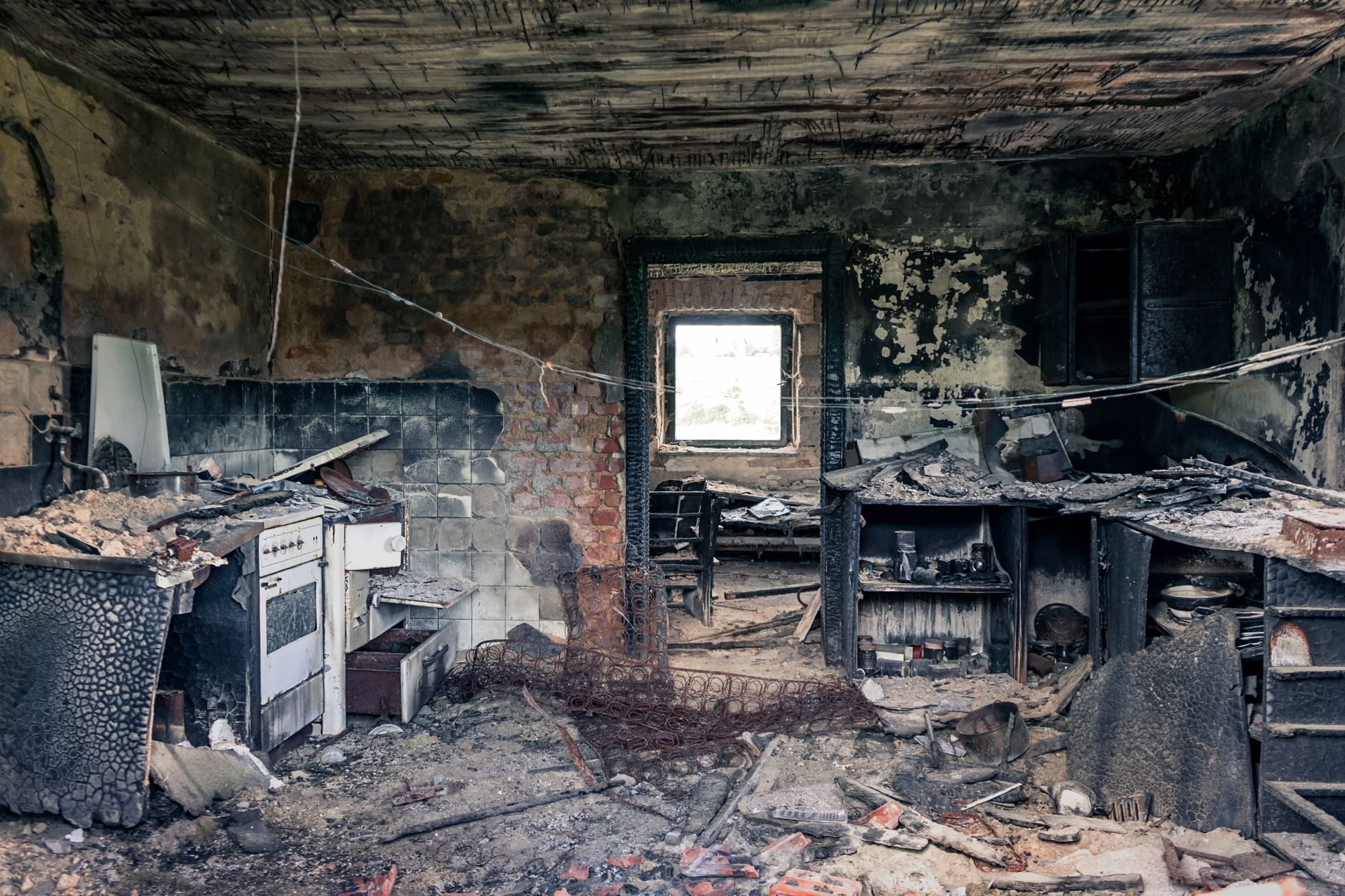
Smoke damage is dangerous because it keeps harming your health and your home long after the flames are out. Fine particles settle into walls, carpet, upholstery, and your air system, releasing odors and irritants for weeks, while acidic residue quietly corrodes metal, wood, and electronics. In humid New Orleans, leftover firefighting water also invites mold, so prompt professional cleanup is the safest way to protect your family and property.
At Big Easy Remediation, we know the worst of a fire is often what you cannot see once the smoke clears. Long after the visible damage is handled, smoke residue keeps working its way into the materials and the air inside your home.
Many homeowners focus on scorched walls and forget that smoke travels far beyond the room where the fire started. By the time the lingering odor and irritation become obvious, the residue has usually settled deep into surfaces and your ventilation system.
This guide walks you through the hidden dangers of smoke damage and the right way to address each one. Contact us today to schedule a professional inspection before the residue causes lasting harm to your home and health.
What Are the Hidden Dangers of Smoke Damage?
The hidden dangers of smoke damage are the ones that outlast the fire itself: airborne particles that irritate your lungs, acidic residue that corrodes building materials, and trapped odors that keep returning. None of these clear up on their own, and most of them work out of sight.
Smoke is made of fine particles and chemical byproducts that drift well past the burn area and settle into porous materials. In our warm, humid climate, leftover moisture from firefighting only adds to the problem by creating the conditions mold needs to grow.
That combination is why a fire in one room can leave the whole house unsafe to breathe in for far longer than most people expect. The visible cleanup may take a day, while the hidden residue and odor can linger for weeks without proper treatment.
What Health Problems Does Smoke Damage Cause?
Smoke exposure harms the body in ways that are easy to mistake for a passing illness. The particles are small enough to slip past your natural defenses and reach deep into your lungs and bloodstream, so the effects can build quietly over days and weeks.
Respiratory Irritation
The finest smoke particles are too small for your nose to filter out, so they travel deep into the lungs. That can lead to a nagging cough, wheezing, a sore throat, and worsening asthma, even in people who are otherwise healthy.
Anyone with an existing lung condition tends to feel it first and most strongly. When breathing problems linger in a home that has had a fire, residual smoke is often the reason.
Higher Risk for Children and Seniors
Children and older adults are the most vulnerable to smoke exposure because their respiratory systems are either still developing or already weakened. Their bodies have less reserve to absorb the strain that airborne particles place on the lungs.
In these groups, even short-term exposure can trigger real symptoms rather than passing discomfort. When young children or older relatives live in the home, fast cleanup becomes a safety priority.
Effects Beyond the Lungs
Smoke particles do not stop at the lungs, since many are fine enough to enter the bloodstream and place added stress on the heart. Over time, smoke residue can also carry toxins that contribute to headaches, fatigue, and trouble concentrating.
These effects are easy to overlook because they build slowly and feel like everyday tiredness. Symptoms that ease whenever you leave the house are a strong clue that smoke residue is still present indoors.
Removing the source of the residue is the only reliable way to let the body recover. As long as particles stay trapped in walls, fabrics, and ductwork, exposure continues quietly every time the air system runs.
The Damage Smoke Does to Your Home
It is not only the people inside who suffer; smoke steadily attacks the house itself. Because smoke residue is acidic, it corrodes and breaks down materials it settles on, and the damage compounds the longer it sits.
Left untreated, that residue can rot wood framing, degrade drywall, and corrode metal, plumbing fixtures, and electronics throughout the home. What looks like a surface stain on a wall can hide deeper structural and mechanical damage that only grows more expensive to repair. The table below shows where smoke residue tends to cause the most trouble and why each area matters.
| Affected Area | What Smoke Residue Does | Why It Matters |
|---|---|---|
| Walls and drywall | Stains, etches, and holds odor | Often needs sealing and repainting |
| Wood framing and structure | Corrodes and weakens over time | Threatens structural integrity |
| Metal, plumbing, and electronics | Causes rust, shorts, and corrosion | Can lead to failures and safety hazards |
| Carpet, upholstery, and air ducts | Traps particles and recirculates them | Affects the whole home, not one room |
How Smoke Spreads Through Your Home
One of the most deceptive things about smoke is how far it travels from where the fire started. As it moves, it carries fine particles into rooms that never saw a flame and settles them into soft surfaces and tight spaces.
Your heating and cooling system makes this worse by drawing smoke into the returns and pushing it through every vent in the house. That is how a fire in the kitchen can leave odor and residue in distant bedrooms, and why cleaning only the burned area almost never solves the problem.
Until the ductwork and the whole-home air path are addressed, the residue keeps circulating with every cycle of the system. Soft surfaces like curtains, bedding, and upholstery act as sponges, holding particles that release odor for weeks. This is why a smoke problem so often feels like it spreads instead of fading.
Why Smoke Damage Lingers in New Orleans Homes
Few places make smoke damage harder to resolve than southeast Louisiana. Our high humidity keeps residue and odors active in materials, and the moisture left behind after firefighting takes far longer to dry out here than in drier regions.
Older New Orleans homes add to the challenge, with original wood, plaster, and tight floor plans that hold particles and odor deep inside. Several local conditions make smoke cleanup more involved here:
- Year-round humidity that keeps odor molecules and residue active in walls and fabrics
- Slow drying times that leave firefighting water sitting long enough to invite mold
- Aging housing stock built from porous materials that absorb smoke readily
- Tight, layered construction where residue collects in hidden cavities and ductwork
Each of these gives smoke residue a firmer hold, which is why local homes often need more thorough cleanup than a quick wipe-down can deliver.
How Smoke Damage Leads to Mold in Humid New Orleans
In our climate, smoke damage rarely arrives alone. The water used to put out a fire soaks into floorboards, walls, and insulation, and that moisture creates the perfect breeding ground for mold within a day or two.
That is why we treat fire cleanup and moisture control as one connected job rather than two separate problems. If the wet materials are not dried thoroughly and quickly, a household can trade a smoke problem for a mold problem in the same week.
Our older local homes make this risk worse, since plaster, original wood, and tight cavities trap moisture far longer than modern construction. Addressing the smoke residue and the leftover water together is the only way to keep both the air and the structure genuinely safe.
How Do You Address Smoke Damage the Right Way?
Because smoke damage hides in so many materials, surface cleaning alone usually falls short. A complete cleanup follows a clear order so that residue, odor, and moisture are all handled before the home is considered safe again.
- Neutralize the odor at the source. Use treatments that destroy odor molecules instead of masking them, reaching into porous materials and tight spaces.
- Deep clean fabrics and surfaces. Carpets, upholstery, drapes, and walls all hold particles that need professional cleaning to fully release.
- Clear the air system. Ductwork and ventilation must be cleaned so the heating and cooling system stops recirculating residue.
- Seal and repaint affected walls. A stain-blocking primer keeps discoloration and odor from bleeding back through fresh paint.
- Dry and check for mold. Any lingering firefighting moisture has to be removed before it can lead to hidden growth.
We bring the right equipment and process to each of these steps so nothing gets missed. Our team handles complete fire and smoke damage restoration and pairs it with thorough odor removal so the home feels and smells like itself again.
Why Professional Smoke Remediation Matters
Smoke damage this layered is not a job for household cleaners and an open window. Wiping the visible soot leaves the deeper residue, the trapped odor, and the hidden moisture behind, so the problem simply resurfaces within weeks.
Our approach finds the full reach of the damage, treats every affected material, clears the air system, and confirms the home is dry before we finish. You can see our complete range of fire and smoke damage services for how we take a property from soot-stained and unsafe back to clean and livable.
Do Not Let Hidden Smoke Damage Settle In
Every day smoke residue sits in your home, it works deeper into your air, your materials, and your family’s comfort. Acting early keeps a manageable cleanup from turning into structural repairs and a lasting health concern.
If a fire has touched your home, the safest next step is a professional smoke damage inspection right away. Call us today and let Big Easy Remediation restore your New Orleans home to a clean, safe, and healthy space.
Common Questions
Frequently Asked Questions About Smoke Damage
Is smoke damage dangerous after the fire is out?
Yes, smoke damage stays dangerous long after the flames are gone. Fine particles keep irritating the lungs, acidic residue corrodes materials, and trapped odors linger for weeks until the residue is professionally cleaned from surfaces, fabrics, and the air system.
What health problems can smoke damage cause?
Smoke particles can cause coughing, wheezing, a sore throat, and worsening asthma, and they may strain the heart once absorbed into the bloodstream. Children, older adults, and anyone with a lung condition tend to feel these effects soonest and most severely.
Can I clean smoke damage myself?
Light surface soot can sometimes be wiped, but smoke residue settles deep into porous materials and ductwork where household cleaning cannot reach. Professional remediation removes the hidden residue, clears the air system, and treats odor at the source so it does not return.
Why does my home still smell like smoke after cleaning?
Lingering smoke odor usually means residue is still trapped in walls, carpet, upholstery, or your air ducts. Odor molecules cling to porous materials, so they need specialized treatment that destroys them rather than masking them with air fresheners.
Does smoke damage cause mold?
It often does in our climate, because the water used to fight a fire soaks into floors, walls, and insulation. That moisture can lead to mold within 24 to 48 hours, which is why fire cleanup and thorough drying need to happen together.
How does smoke damage affect my home’s structure?
Yes, smoke residue is acidic, so over time it corrodes and weakens wood framing, drywall, metal, and electronics. What looks like a surface stain can hide deeper damage, which is why a professional inspection is often needed to find hidden corrosion.
How long do I have to address smoke damage?
The sooner the better, since acidic residue keeps corroding materials and moisture keeps inviting mold with every passing day. Acting quickly limits the cleanup to surfaces and air quality rather than structural repairs and replacement.
How much does smoke damage restoration cost?
Cost depends on how far the smoke spread, which materials it reached, and whether moisture and mold are also involved. Because every home is different, we provide a free, no-obligation estimate after inspecting your property so you know exactly what to expect.
Need restoration help in New Orleans?
Same-day response to water, mold, fire, and cleaning emergencies across Greater New Orleans, with a written scope before any work begins.