
Common Myths About Mold in New Orleans Homes
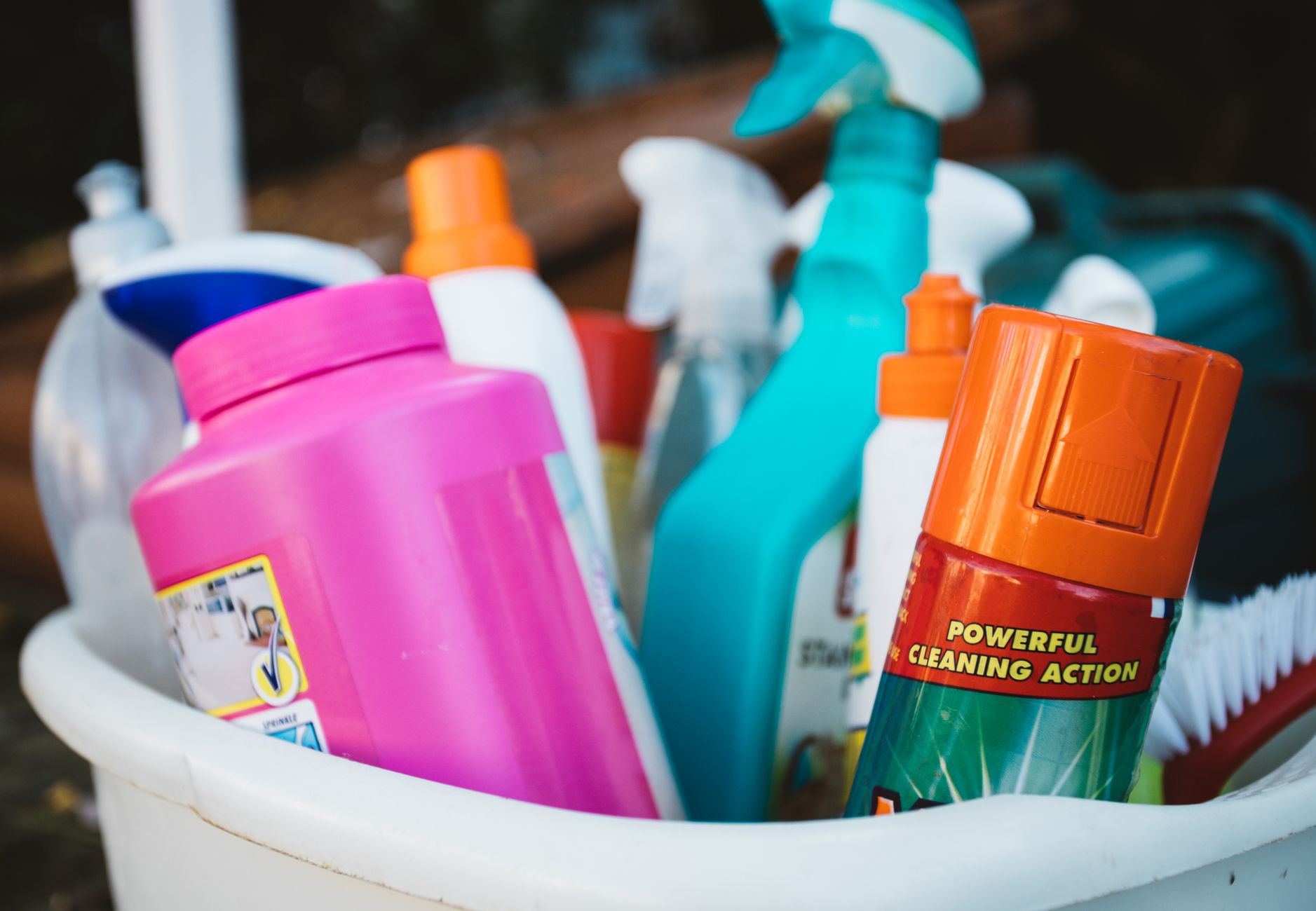
The most common mold myths are that bleach removes it for good, that a small patch is harmless, that mold only grows in dark or wet spots, and that anyone can safely scrub it away. In reality, bleach leaves roots behind, even small patches release spores, and growth thrives anywhere with moisture. In humid New Orleans, believing these myths lets hidden mold spread, so knowing the facts is the safest way to protect your home and your health.
At Big Easy Remediation, we hear the same mold myths in home after home across Greater New Orleans. Those myths feel reassuring, but acting on them is one of the fastest ways to let a small problem grow into a serious one.
Mold is misunderstood partly because so much of its damage happens out of sight and so slowly. By the time a homeowner realizes the common advice was wrong, the growth has often spread behind walls and into the air.
This guide separates fact from fiction on the mold beliefs we run into most. Contact us today to schedule a professional inspection before a misunderstanding turns into a costly repair.
What Are the Most Common Mold Myths?
The most common mold myths are that bleach kills it permanently, that a little mold is no big deal, that it only grows in dark damp corners, and that any homeowner can scrub it away safely. Each one sounds sensible, which is exactly why so many people believe it.
The trouble is that these myths all push people toward doing nothing or doing too little. In our warm, humid climate, that delay gives mold the time and moisture it needs to settle deeper into your home. Replacing these beliefs with the facts is the first real step toward keeping your property safe.
Myth: Bleach Permanently Kills Mold
Bleach is the most overrated tool in mold cleanup, and trusting it causes a lot of repeat problems. It can lighten surface stains on hard, non-porous materials, but it does not solve the underlying growth.
On porous surfaces like drywall, wood, and insulation, the roots reach deeper than bleach can travel. The surface may look clean for a few weeks, but the colony beneath it keeps feeding and spreading because bleach is mostly water and can even add the moisture mold uses to return. Real removal means taking out the affected material and correcting the moisture source, not masking the stain.
Myth: A Little Mold Is Harmless
Treating a small patch as harmless is one of the riskiest assumptions a homeowner can make. What looks like a minor spot on the surface is often a fraction of a colony that has already taken hold inside the wall.
Even modest amounts of mold release spores into the air you breathe every day. That steady exposure can mean coughing, congestion, and flare-ups that never quite clear for the people most sensitive to it at home. A small patch is not a finished problem; it is an early warning, and it almost always grows if the moisture feeding it stays in place.
Myth: Mold Only Grows in Dark, Wet Spaces
Many people picture mold only in flooded basements or pitch-black corners, but it is far less picky than that. Mold needs moisture, a food source, and time, and light has very little to do with whether it spreads.
Here, hidden everyday moisture is often enough on its own. These overlooked conditions let mold thrive in places homeowners rarely suspect:
- Sunlit window frames where condensation collects each morning
- Inside air ducts and vents that stay humid and circulate spores
- Behind furniture on exterior walls where airflow is poor
- Around bathroom and kitchen fixtures with slow, unnoticed leaks
- Under carpets and rugs that trapped moisture after a spill or flood
Because mold does not need darkness or standing water, a bright, tidy room can still hide an active problem you cannot see.
Myth: You Can Always Remove Mold Yourself
Do-it-yourself mold removal is fine for a tiny surface spot, but it becomes risky fast once the growth is larger or hidden. Disturbing a colony without containment sends spores through the air, spreading the problem to rooms that were never affected.
Safe removal also calls for protective gear, sealed-off work areas, and a way to find and fix the moisture source. Without those steps, even a careful homeowner tends to scatter the problem rather than solve it. That is why larger or recurring mold belongs with a team trained to contain, remove, and dry the space properly the first time.
Myth vs. Fact at a Glance
A quick side-by-side makes it easy to see where the common advice goes wrong. The table below pairs each popular myth with what actually happens in a New Orleans home.
| Common Myth | The Reality | Why It Matters |
|---|---|---|
| Bleach kills mold for good | It lightens stains but leaves roots in porous materials | The colony returns within weeks |
| A little mold is harmless | Even small patches release spores into the air | It can trigger allergy and asthma symptoms |
| Mold only grows in dark, wet spots | It grows anywhere with moisture and a food source | Bright, dry-looking rooms can hide growth |
| You can always remove it yourself | Disturbing large colonies spreads spores | It can spread the problem to new rooms |
Can You Have Mold Without Seeing It?
Some of the worst mold problems we find were completely invisible from the living space. Mold often takes hold inside wall cavities, under flooring, and within ductwork long before any sign reaches the surface.
A persistent musty smell is frequently the only early clue, showing up well before a single visible patch. By the time staining or discoloration appears, the growth behind it has usually been spreading for days. That is why a clean-looking home with a stubborn musty odor still deserves a closer professional look rather than a wait-and-see approach.
Myth: Mold Will Dry Out and Disappear on Its Own
One of the most costly beliefs is that mold will simply dry up and vanish once the weather changes or a leak stops. Mold can go dormant when a surface dries, but the colony does not die, and it springs back the moment moisture returns.
Along the Gulf Coast, true dryness is hard to come by for long, so a dormant patch rarely stays inactive. Spores survive in walls, ducts, and flooring for months, waiting for the next humid stretch or storm to start growing again. Waiting for mold to disappear almost always means it returns larger, which is why correcting the moisture and removing the growth is the only reliable fix.
Myth: New or Recently Renovated Homes Cannot Have Mold
Plenty of homeowners assume a newer or freshly renovated home is safe from mold, but age offers no protection. Mold cares about moisture and a food source, not the year a house was built or remodeled.
New construction can trap moisture in fresh materials, and a renovation that hid an old leak can seal a problem inside the wall. Modern building materials such as paper-faced drywall and engineered wood feed mold just as readily as older ones. In a humid region like ours, even a recently updated home benefits from a professional inspection at the first sign of a musty smell or unexplained moisture.
Why Is Mold Such a Big Problem in New Orleans Homes?
Few places test these myths harder than southeast Louisiana. Our humidity rarely lets up, summer storms drive moisture into walls and crawl spaces, and a single hurricane season can leave homes damp for weeks at a time.
Older local homes raise the stakes further, with original wood, plaster, and tight floor plans that hold moisture and feed growth. Several conditions make mold spread faster here than the usual advice assumes:
- Year-round humidity that keeps building materials damp enough to support mold
- Flooding and storm surge that soak floors, walls, and insulation
- Aging housing stock built from materials mold feeds on readily
- Heavy use of air conditioning that can circulate spores through the home
When the common myths meet our local conditions, the gap between what people believe and what actually happens grows even wider.
What the Myths Get Wrong About Health
A myth we hear often is that mold is only a problem if you can see a large amount of it. According to the EPA and CDC, indoor mold health effects come from airborne spores rather than the size of the visible patch.
Breathing in spores can cause coughing, congestion, a sore throat, and irritated eyes, even in otherwise healthy people. For anyone with asthma or allergies, mold is a well-known trigger that keeps symptoms flaring until the source is gone. Infants, older adults, and those with weakened immune systems tend to react soonest, which is why we treat any indoor mold as worth removing promptly rather than tolerating.
Why Professional Mold Removal Beats the Myths
Every one of these myths points back to the same mistake: treating mold as a surface stain instead of a moisture problem. Surface cleaning leaves the roots and the source behind, so the growth simply returns a few weeks later.
Our approach starts by finding and fixing the moisture source, because mold cannot survive without it. From there, we contain the area so spores do not spread, remove affected materials safely, and confirm the space is dry before we finish. We handle both residential mold removal and commercial mold removal, and you can explore our full range of professional mold services to see how we protect your property from the first inspection to the final check.
Do Not Let a Mold Myth Cost You
Believing the common myths gives mold exactly what it needs: time, moisture, and a homeowner who waits. Acting on the facts instead keeps a small spot from turning into a major repair and a lasting health concern.
If you suspect mold anywhere in your home, the safest move is a professional inspection rather than a do-it-yourself guess. Call us today and let Big Easy Remediation keep your New Orleans home safe, dry, and healthy.
Common Questions
Frequently Asked Questions About Mold Myths
Does bleach really kill mold?
Bleach can lighten mold stains on hard, non-porous surfaces, but it does not kill mold on porous materials like drywall and wood. The roots survive beneath the surface and the growth returns, so bleach treats the appearance rather than the actual problem.
Is a small amount of mold actually dangerous?
Even a small patch can release spores into the air you breathe, and those spores trigger symptoms in sensitive people. Children, older adults, and anyone with asthma or allergies can react to modest amounts, so small mold should still be inspected and removed.
Can mold grow in dry or well-lit areas?
Yes, mold needs moisture, a food source, and time, but not darkness or standing water. Condensation around windows, humidity inside ducts, and slow leaks behind fixtures all let mold grow in bright, tidy rooms that look perfectly dry.
Is it safe to remove mold myself?
Removing a tiny surface spot can be safe, but larger or hidden mold is risky to handle alone. Disturbing a colony without containment spreads spores to new rooms, so anything beyond a small patch is safest left to a trained removal team.
Why does mold keep coming back after I clean it?
Mold returns when the moisture source feeding it is never corrected. Surface cleaning removes what you can see while leaving the roots and the dampness behind, so the colony regrows. Lasting removal means fixing the moisture problem along with the mold.
Does a musty smell mean there is hidden mold?
A lasting musty odor with no visible growth often points to mold hidden behind walls, under floors, or inside ductwork. The smell frequently appears before any patch becomes visible, so a stubborn musty odor is worth a professional inspection.
Is black mold more dangerous than other mold?
Black mold is a common name for darker molds, often the species Stachybotrys chartarum. Despite its reputation, it is not necessarily more dangerous than other molds, and any indoor mold should be removed safely and promptly regardless of its color.
Why is mold such a common problem in New Orleans homes?
Our high humidity, frequent storms, flood risk, and older housing stock give mold ideal conditions to grow and spread. These local factors let mold take hold faster than in drier regions, which is why local homes often need quicker inspection and removal.
Need restoration help in New Orleans?
Same-day response to water, mold, fire, and cleaning emergencies across Greater New Orleans, with a written scope before any work begins.