
Understanding the Dangers of Mold Infestation in New Orleans Homes
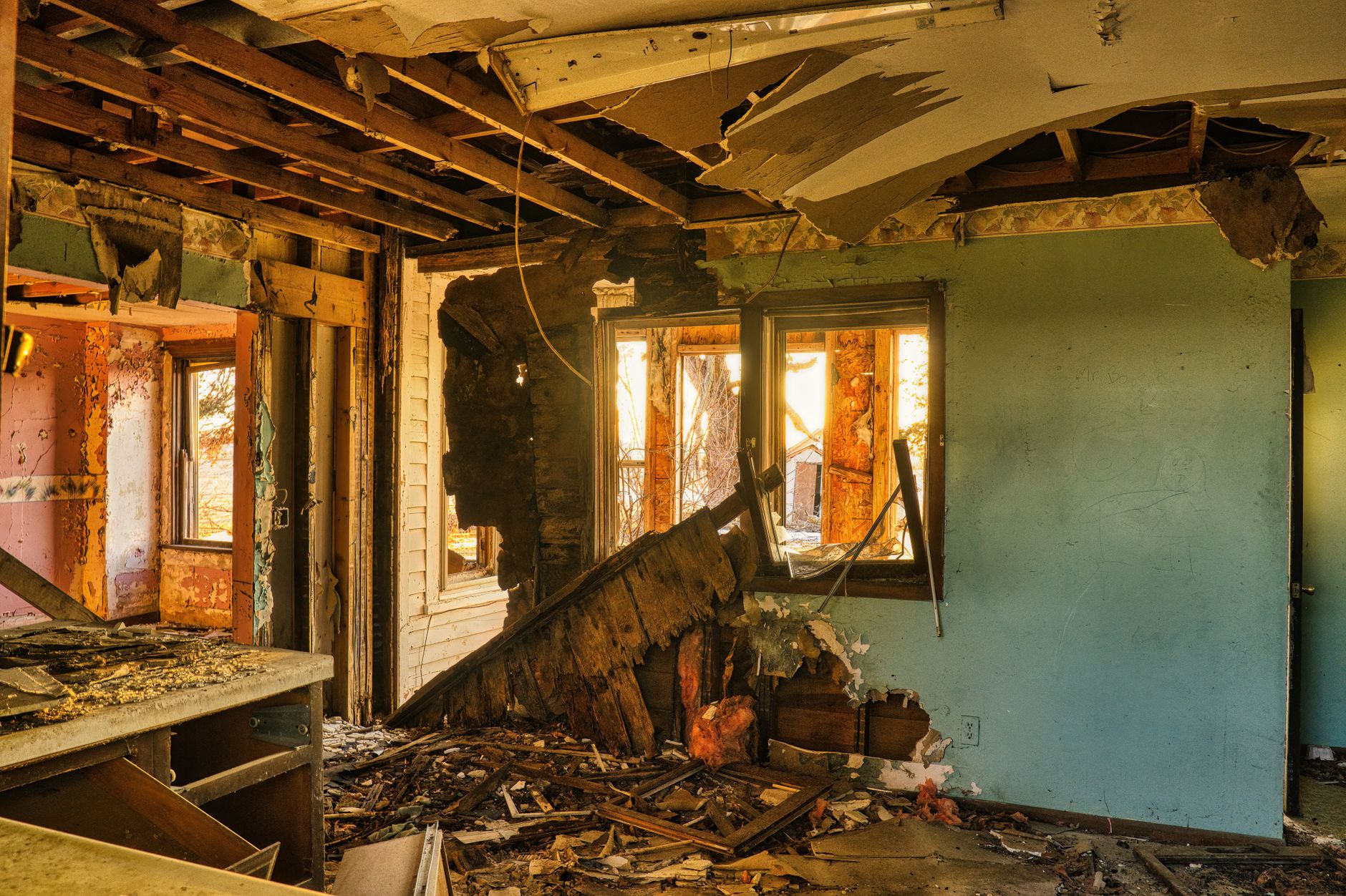
Mold infestation is dangerous because it harms both your health and your home. It can trigger coughing, congestion, and asthma flare-ups, weaken drywall and wood as it spreads, and grow within 24 to 48 hours of any leak. In humid New Orleans, treating mold quickly is the safest way to protect your family and your property.
At Big Easy Remediation, we treat mold as a problem that gets worse the longer it waits. What starts as a small patch can quietly threaten both your family’s health and the structure of your home.
Many homeowners underestimate mold because so much of the damage happens out of sight. By the time it becomes obvious, it has often spread through walls, flooring, and the air you breathe.
This guide explains exactly why mold infestation is dangerous and why fast action matters so much in our climate. Contact us today to schedule a professional inspection before the damage adds up.
What Are the Dangers of Mold Infestation?
Mold is dangerous because it attacks on two fronts at once: your health and your home. It releases microscopic spores that irritate the body while quietly feeding on the very materials that hold your house together.
What makes it worse in our area is speed and humidity. According to the EPA, materials left wet for more than 24 to 48 hours can begin to grow mold, and our warm, damp climate keeps it thriving long after the original leak is gone. That combination is why a minor moisture problem here can turn into a real health and structural risk in a matter of days.
Left alone, mold rarely stays small. Every day it feeds and spreads gives it a firmer hold on the surfaces and the air inside your home, which is exactly why early action carries so much weight.
How Does Mold Affect Your Health?
Mold exposure affects the body in ways that are easy to mistake for everyday allergies. The longer you are exposed, the more those symptoms tend to build. Because the effects creep up slowly, many families live with them for months before connecting them to mold in the home.
Respiratory Irritation
Breathing in mold spores can cause coughing, congestion, a sore throat, and wheezing, even in otherwise healthy people. In a closed-up home with the air conditioning running, those spores keep circulating until the source is found and removed.
The longer the exposure lasts, the more the irritation tends to build. Symptoms that feel like a lingering cold can actually be your body reacting to mold in the air around you, especially if they ease whenever you spend time away from the house.
Asthma and Allergy Flare-Ups
For anyone with asthma or seasonal allergies, mold is a well-known trigger that can make symptoms far harder to control. Flare-ups often continue night after night until the mold is fully cleared from the home.
Children and teenagers with asthma are especially sensitive, since their airways react quickly to airborne irritants. Persistent wheezing or chest tightness that eases when you leave the house is a sign worth taking seriously.
Higher Risk for Vulnerable People
Infants, older adults, and people with weakened immune systems feel the effects of mold soonest and most severely. For these groups, a serious infestation can lead to genuine respiratory illness, not just passing discomfort.
In vulnerable people, prolonged exposure can make respiratory infections harder to shake. When someone in the household already has a health condition, removing mold quickly becomes a safety priority rather than a cosmetic one. Even short-term exposure can be enough to set off symptoms in a person who is already medically fragile.
Who Faces the Greatest Risk From Mold
Everyone in the home is exposed, but some people feel mold’s effects far sooner and far more severely. Knowing who is most vulnerable helps families decide how urgently they need to act.
The highest-risk groups tend to include:
- Infants and young children, whose lungs are still developing
- Older adults, who often have less respiratory reserve to spare
- People with asthma, allergies, or chronic lung conditions, who react fast to airborne spores
- Anyone with a weakened immune system, including those recovering from illness or surgery
If someone in your household falls into one of these groups, a mold problem stops being a minor annoyance and becomes a genuine health priority. In those homes, the safest choice is to have the mold inspected and removed without delay.
Why Mold Is a Greater Danger in New Orleans
Few places give mold a better home than southeast Louisiana. Our humidity rarely drops for long, summer storms push moisture into walls and crawl spaces, and a single hurricane season can leave homes damp for weeks.
Older New Orleans homes add to the risk, with original wood, plaster, and tight floor plans that hold moisture and feed growth. Several local conditions let mold spread faster here than in drier parts of the country:
- Year-round humidity that keeps building materials damp enough to support growth
- Flooding and storm surge that soak floors, walls, and insulation
- Pier-and-beam and slab foundations where moisture collects beneath the home
- Aging housing stock built from materials that mold feeds on readily
Each of these gives mold a head start, which is why local homes need quicker action than a one-size-fits-all timeline would suggest.
The Damage Mold Does to Your Home
Mold does not stop at making people sick. It steadily breaks down the materials it grows on, which is where the real repair costs begin to add up.
Mold feeds on common building materials, and as it spreads it weakens them from the inside out. Left untreated, what began as a surface stain can turn into expensive structural and cosmetic damage. The table below shows where that damage tends to appear first and why each area matters.
| Affected Area | What Mold Does | Why It Matters |
|---|---|---|
| Drywall and insulation | Softens and crumbles the material | Often requires full replacement |
| Wood framing and subfloors | Causes rot and weakens support | Threatens structural integrity |
| Carpet and flooring | Embeds spores deep in the fibers | Usually cannot be cleaned, only removed |
| Indoor air quality | Spreads spores through the HVAC system | Affects the whole home, not one room |
How Much Does Mold Damage Cost to Fix?
The cost of mold rarely stays still, because the damage compounds the longer it is ignored. A small patch caught early is far simpler to handle than an infestation that has reached framing, flooring, and the air system.
How much mold ultimately costs depends on how far it has spread, which materials it has reached, and whether the moisture source still needs repair. Catching it early keeps the work limited to cleanup, while waiting can add demolition, rebuilding, and replacement to the job. That is why we treat a fast inspection as the most reliable way to keep mold from becoming a major expense.
How Quickly Does the Danger Grow?
The threat grows with every day mold goes untreated. A spot you could have wiped away last week can spread behind the wall by the next.
Because mold can take hold within 24 to 48 hours of water exposure, a single leak or flood can start a serious problem fast. In our humid climate, even everyday moisture gives it room to keep advancing, which is why we urge homeowners never to wait and see.
What makes this especially risky is how easy it is to miss. By the time mold is visible on a wall, it has often been growing inside it for days, so the danger is usually further along than it first appears.
How Mold Spreads the Danger Through Your Home
One of the most serious things about mold is that it rarely stays where it starts. As colonies mature, they release spores that travel through the air and settle in new rooms far from the original source.
Your heating and cooling system can speed this along, drawing spores into the returns and circulating them through every room. That is how a problem that began under one sink can end up affecting the air in every bedroom, and why surface cleaning alone almost never solves it.
What to Do the Moment You Suspect Mold
The most dangerous response to mold is to ignore it and hope it dries out on its own. The moment you notice a musty smell, a spreading stain, or unexplained symptoms at home, it is worth treating the situation seriously.
Until a professional can assess it, keep your distance from the affected area and avoid disturbing the growth, since scrubbing or sweeping can release more spores into the air. Address any obvious moisture source, such as a dripping pipe or a damp pile of towels, and keep the room ventilated if you can safely do so. Then bring in a trained team to find the full extent of the problem, because what you can see is rarely the whole story.
The Long-Term Risk of Ignoring Mold
The danger of mold is not only what it does today, but what it keeps doing month after month. A problem that seems minor now can quietly wear down both your home and your family’s comfort over a much longer stretch.
Living with ongoing exposure can mean symptoms that never fully clear, repairs that grow more involved each season, and a home that becomes harder to sell or insure. Mold also tends to return wherever moisture remains, so a quick surface fix often buys only a few weeks of relief. Treating the problem at its source is the only way to stop that long, costly cycle for good.
Why Professional Mold Removal Matters
Mold this serious is not a job for a spray bottle and a sponge. Surface cleaning leaves the roots and the moisture source behind, so the danger simply returns a few weeks later.
Our team finds the moisture source, contains the area, removes affected materials safely, and confirms the space is dry before we finish. We handle both residential mold removal and commercial mold removal, and you can see our full range of mold services for how we protect your property from start to finish.
Do Not Let Mold Put Your Home at Risk
Every day mold goes untreated, the danger to your health and your home grows a little more. Acting early keeps a small problem from turning into a major repair and a lasting health concern.
If you suspect mold anywhere in your home, the safest move is a professional inspection right away. Call us today and let Big Easy Remediation protect your New Orleans home and the people in it.
Common Questions
Frequently Asked Questions About Mold Dangers
Is mold infestation actually dangerous, or just unpleasant?
Mold is genuinely dangerous because it can harm your health and damage your home at the same time. It triggers respiratory symptoms and steadily breaks down the materials it grows on.
What are the health risks of living with mold?
Mold can cause coughing, congestion, sore throat, and irritated eyes, and it can worsen asthma and allergies. Infants, older adults, and immune-compromised people face the highest risk.
Can mold damage the structure of my house?
Yes, mold feeds on drywall, wood, and insulation and weakens them as it spreads. Left untreated, it can lead to rot and costly structural repairs.
How fast does mold become a serious problem?
Mold can begin growing within 24 to 48 hours of water exposure and spreads quickly in humid conditions. The longer it is left, the more dangerous and expensive it becomes.
Why is mold worse in New Orleans homes?
Our high humidity, frequent storms, and older housing stock give mold ideal conditions to grow and spread. That is why local homes often need faster inspection and removal than drier regions.
Is black mold more dangerous than other types?
Black mold is a common name for darker molds, often Stachybotrys chartarum. It is not necessarily more harmful than other molds, and any indoor mold should be removed promptly regardless of color.
Will cleaning mold myself remove the danger?
Surface cleaning rarely solves the problem, since the roots and the moisture source remain. Professional removal eliminates the mold fully and addresses what caused it.
How do I keep mold from coming back?
Controlling moisture is the key, so fix leaks fast, manage humidity, and ventilate damp rooms. After any flooding, have your home inspected for hidden growth.
Need restoration help in New Orleans?
Same-day response to water, mold, fire, and cleaning emergencies across Greater New Orleans, with a written scope before any work begins.