
Signs of Mold Infestation in Your New Orleans Home
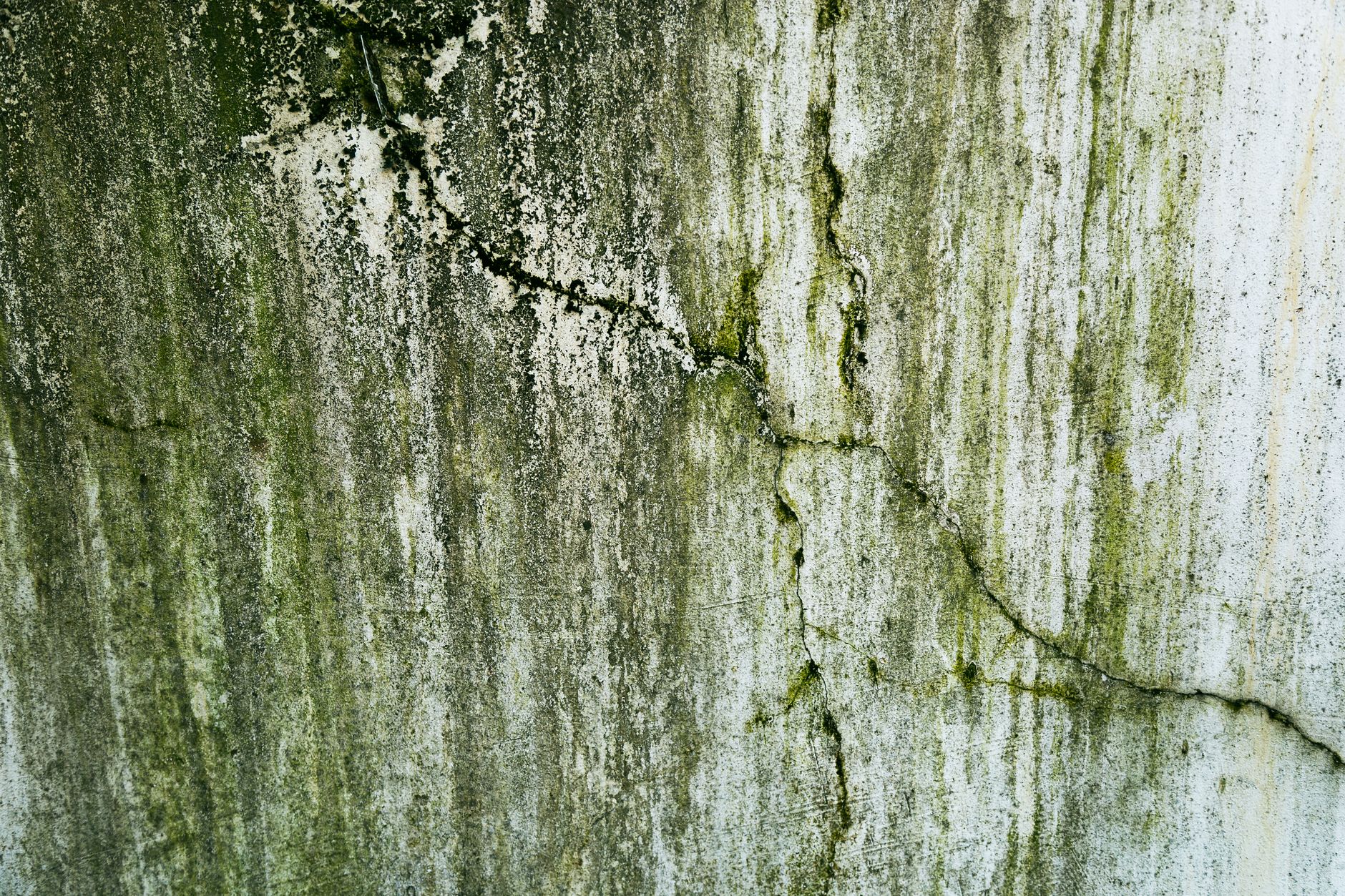
Mold infestations usually show up as a persistent musty odor, visible black or green patches, water stains and discoloration, and allergy-like symptoms that ease when you leave home. In humid New Orleans, mold can take hold within 24 to 48 hours of any leak or flood, so spotting these signs early and scheduling a professional inspection is the safest way to protect your home and your health.
At Big Easy Remediation, we see how quickly a small mold spot turns into a serious problem in our humid Gulf Coast climate. Recognizing the early signs is the best way to protect both your home and your family’s health.
Mold often grows in places you cannot see, so many New Orleans homeowners miss it until the damage has spread. The sooner you notice the warning signs, the sooner you can stop it from getting worse.
This guide walks you through the clearest signs of a mold infestation and what each one means for your home. Contact us today to schedule a professional mold inspection before a small issue becomes a costly one.
What Are the Warning Signs of Mold?
The clearest warning signs of mold are a lasting musty smell, visible patches or discoloration on walls and ceilings, unexplained water stains, and allergy-like symptoms that ease when you leave the house. Any single one of these is reason enough to take a closer look.
Mold does not need much to thrive, just moisture, warmth, and time. In our area, all three are easy to come by, which is why even a minor leak can lead to a hidden colony. Catching these signals early keeps a quick fix from turning into a full remediation project.
Common Signs of a Mold Infestation
These are the indicators we run into most often during inspections across Greater New Orleans. If you notice more than one, treat it as a strong signal to act.
A Persistent Musty Odor
Mold gives off a damp, earthy smell that lingers no matter how often you clean. If a room always smells musty, mold is likely growing out of sight behind drywall, under flooring, or inside your air ducts.
That stale odor is often the very first clue, showing up well before any visible growth. When a smell keeps coming back after you have cleaned and aired out a space, it is time to look deeper.
Visible Mold Growth
Mold appears as black, green, white, or gray patches that can look fuzzy, slimy, or powdery. It usually starts in corners, around windows, under sinks, and near any source of moisture.
What you can see on the surface is often only part of the colony. A small visible patch can mean a much larger problem is spreading behind the wall or beneath the floor.
Stains and Discoloration
Yellow, brown, or dark stains on walls and ceilings point to moisture, and moisture feeds mold. Peeling paint, bubbling wallpaper, and warped or sagging surfaces are warning signs too.
These marks tell you water has been present, even if a leak has since stopped. Where water has traveled, mold often follows close behind.
Allergy and Health Symptoms
Sneezing, coughing, itchy eyes, headaches, or worsening asthma that improve when you leave home can all signal mold exposure. These symptoms are easy to brush off but should never be ignored.
Children, older adults, and anyone with respiratory issues tend to react first and most strongly. When health complaints line up with time spent in one building, mold is worth ruling out.
Health Risks of Mold Exposure
Mold affects everyone differently, but most reactions show up in the lungs, eyes, and skin. Breathing in spores can cause coughing, congestion, a sore throat, and itchy or watering eyes, even in otherwise healthy people.
For anyone with asthma or allergies, mold can trigger flare-ups that are hard to control until the source is gone. Infants, older adults, and those with weakened immune systems tend to feel the effects soonest and most severely.
The longer an infestation goes untreated, the more spores build up in your indoor air. That is why we treat even a small mold problem as something worth handling quickly rather than waiting to see if it spreads.
What Causes Mold to Grow in the First Place?
Mold needs three things to grow: moisture, a food source, and time. In New Orleans homes, moisture is rarely in short supply, which is exactly what makes our area so prone to it.
The most common triggers are plumbing leaks, roof leaks, flooding, high indoor humidity, and poor ventilation in bathrooms, kitchens, and laundry rooms. Condensation around windows and air conditioning units only adds to the problem.
Mold feeds on everyday materials like drywall, wood, carpet, insulation, and even household dust. Combine those surfaces with our warm, damp air, and a single missed leak is all it takes for a colony to form. Controlling moisture is the most effective way to keep mold from starting at all.
Where Mold Hides in New Orleans Homes
Our high humidity, heavy rains, and flood risk make local homes especially prone to hidden mold. The most common hidden mold signs in New Orleans homes turn up in the spots you rarely check, which is exactly where the worst growth tends to be.
Common hiding places include:
- Under sinks and behind appliances, where slow leaks go unnoticed
- Attics and crawl spaces, which trap humidity and poor airflow
- Behind drywall and wallpaper, after a past leak or flood
- Inside air ducts and HVAC systems, which then spread spores room to room
- Beneath carpets and flooring, where moisture settles and stays
Because so much of it stays out of sight, a clean-looking room can still hold a serious problem. A professional inspection checks the places a quick glance always misses.
Older homes and properties that have flooded before deserve extra attention, since past moisture can leave mold lingering inside walls and subfloors for years. If your home has any history of water trouble or storm damage, it is wise to assume mold could be present and have it professionally confirmed. Catching a hidden colony early is always cheaper and simpler than dealing with one that has already spread.
How Fast Does Mold Spread After Water Damage?
According to the EPA, mold can begin growing within 24 to 48 hours of water exposure, and it spreads quickly once it takes hold. That short window is why fast cleanup matters so much in our area.
After any flooding, burst pipe, or roof leak, the clock starts immediately. Drying the space thoroughly and quickly is the single best way to keep a water problem from becoming a mold problem.
In our climate, even ordinary humidity keeps surfaces damp long enough for mold to settle in, which makes hidden leaks especially risky here. When water damage is widespread, our team handles both the drying and the mold so nothing gets missed, from the soaked drywall to the spores you cannot see.
What to Do If You Suspect Mold
If you think you have mold, the goal is to limit its spread and get an expert eye on it fast. A few simple steps protect your home while you wait for an inspection.
- Do not disturb it. Scrubbing large patches sends spores through the air and spreads the problem.
- Keep the area dry. Fix the moisture source and run a dehumidifier if you have one.
- Limit airflow to the space. Close vents and doors so spores do not travel.
- Call a professional. A trained crew finds the source, contains it, and removes it safely.
Use the quick reference below to match what you are seeing to your next move.
| Warning Sign | What It Indicates | What To Do |
|---|---|---|
| Musty smell, no visible mold | Hidden growth behind walls or in ducts | Schedule a professional inspection |
| Visible patches | Active colony, often larger than it looks | Avoid disturbing it; call for removal |
| Stains or warped surfaces | Past or ongoing moisture intrusion | Find and fix the water source first |
| Allergy symptoms indoors | Possible spore exposure | Have your home tested for mold |
We handle both residential mold removal and commercial mold removal across the region, and we treat the moisture source so the mold does not simply return.
Why Professional Mold Removal Beats a DIY Fix
Reaching for a spray bottle is tempting, but surface cleaning rarely solves a real mold problem. On porous materials like drywall and wood, the roots run deeper than what you can see, so the growth often returns within weeks.
Our approach starts with finding and fixing the moisture source, because mold cannot survive without it. From there, we contain the area so spores do not spread, remove the affected materials safely, and confirm the space is fully dry before we finish.
That thorough process is the difference between hiding a problem and actually solving it. You can explore our full range of mold services and see how we protect your home from the first inspection to the final check.
How to Prevent Mold From Coming Back
Once mold is gone, keeping it away comes down to managing moisture and airflow. A few simple habits go a long way in our climate.
- Fix leaks fast. Repair plumbing, roof, and window leaks as soon as you spot them.
- Control humidity. Run a dehumidifier or your air conditioning to keep indoor humidity in check.
- Ventilate damp rooms. Use exhaust fans in bathrooms, kitchens, and laundry areas.
- Dry wet areas quickly. Never let soaked carpet, towels, or standing water sit for more than a day.
- Schedule inspections. After any flooding or major storm, have your home checked for hidden moisture.
Staying ahead of moisture is far easier than removing a full infestation later, and it protects your home long after the first cleanup.
Do Not Wait for Mold to Spread
Mold rarely clears up on its own, and every day you wait gives it more room to grow through your home. Acting at the very first sign protects your property, your air quality, and your peace of mind.
If you have spotted any of these warning signs, the safest next step is a professional inspection. Call us today and let Big Easy Remediation keep your New Orleans home safe, dry, and healthy.
Common Questions
Frequently Asked Questions About Mold Infestation
How can I tell if it is mold or just dirt?
Mold usually has a fuzzy or slimy texture, a musty smell, and grows in damp spots. If wiping it away leaves a stain or it returns within days, it is most likely mold rather than ordinary dirt.
Is mold in my home dangerous to my health?
Some molds trigger allergies, asthma, and other respiratory issues, especially in children and older adults. It is safest to treat any growth as a potential health risk and have it inspected promptly.
How fast does mold grow after a leak or flood?
Mold can start growing within 24 to 48 hours of water exposure. Quick, thorough drying is the most effective way to stop it before it takes hold.
Can I remove mold myself?
Small surface spots can sometimes be cleaned, but larger or hidden mold needs professional removal. A pro eliminates the colony fully and addresses the moisture so it does not grow back.
What does a musty smell with no visible mold mean?
A lasting musty odor without visible growth usually points to hidden mold behind walls, under floors, or inside your ducts. An inspection can locate the source you cannot see.
How much does professional mold removal cost?
Cost depends on the size of the infestation, where it is located, and how much material is affected. Because every home is different, we provide a free, no-obligation estimate after inspecting your home so you know exactly what to expect.
Does bleach kill mold for good?
Bleach may lighten surface mold but often leaves the roots behind on porous materials, so it returns. Professional remediation removes the mold and corrects the moisture problem at the source.
What is black mold, and is it worse than other mold?
Black mold is a common name for darker molds, often the species Stachybotrys chartarum. Despite its reputation, it is not necessarily more dangerous than other molds, and any indoor mold should be removed safely and promptly regardless of color.
Need restoration help in New Orleans?
Same-day response to water, mold, fire, and cleaning emergencies across Greater New Orleans, with a written scope before any work begins.